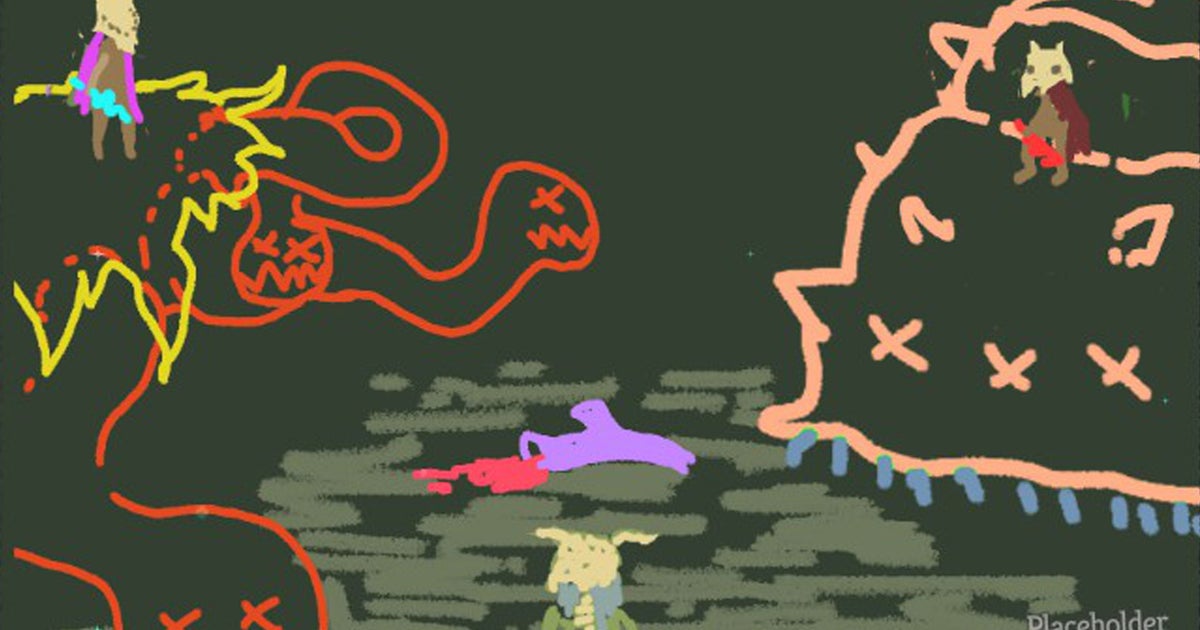
“They would feel a kind of sadness, right?”: Slay the Spire 2 dev on using slightly rubbish placeholder art over AI
Slay the Spire 2’s early access build features intentionally rough placeholder art that resembles MS Paint quality, a deliberate design choice by Mega Crit co-founder Casey Yano. Rather than relying on AI-generated assets, the developer opted for visibly unpolished in-house artwork to clearly communicate to players that the game remains incomplete.
Yano explained the philosophy behind this approach in an interview, noting that the rough aesthetic serves a specific purpose: signaling transparency about the development state. By making the incomplete status obvious through crude placeholder art, Mega Crit aims to set player expectations and reinforce that the game is still in active development. The decision reflects a preference for honest communication over presenting a more polished facade.
The choice stands in contrast to increasingly common industry practices of using AI-generated content during development phases. Mega Crit’s approach suggests a prioritization of maintaining authentic creative control and developer agency throughout the development process, even during early access stages when perfect polish isn’t expected. This philosophy aligns with the studio’s broader design ethos, which has historically emphasized player transparency and authentic game design in the original Slay the Spire.