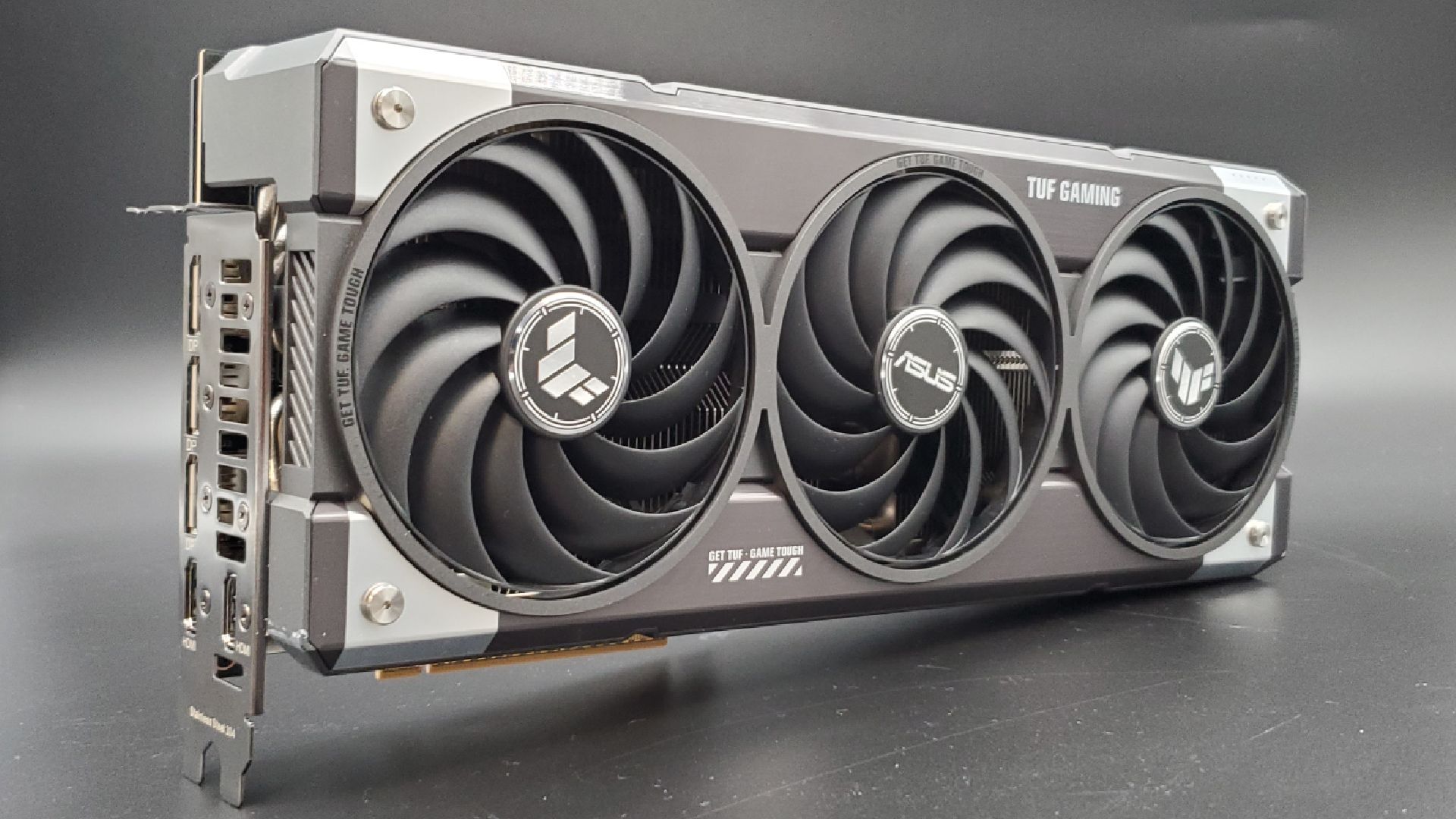
HWMonitor now shows you thermal hotspot data for RTX 50-series graphics cards, so I thought I’d give one of ours a quick test
CPUID’s HWMonitor has added thermal hotspot monitoring for Nvidia’s RTX 50-series graphics cards in version 1.65, providing users with granular temperature data for performance diagnostics and thermal troubleshooting.
The update introduces two new hotspot sensor data rows within the graphics card monitoring column, positioned directly beneath traditional GPU and memory average temperature readings. Hotspot temperatures naturally run higher than standard GPU temperatures under load, reflecting maximum thermal readings at critical points on the card.
This feature enables users to diagnose common thermal issues, including dried-out thermal paste or thermal pads and poorly seated coolers failing to maintain proper contact with the GPU die. By tracking these distinct thermal zones, users gain better visibility into card thermal behavior and can identify problem areas not apparent from aggregate temperature readings.
The addition comes after reports that repair shops obtained access to leaked internal Nvidia tools capable of gathering RTX 50-series hotspot data. HWMonitor’s implementation makes similar thermal monitoring capabilities available through a widely-used third-party utility, providing consumers with advanced diagnostics previously limited to specialized internal tools.