Original Witcher dev says remaking it as an open world won’t be easy: ‘As a player, I might be happy about that, but as a designer, I’m starting to get gray’
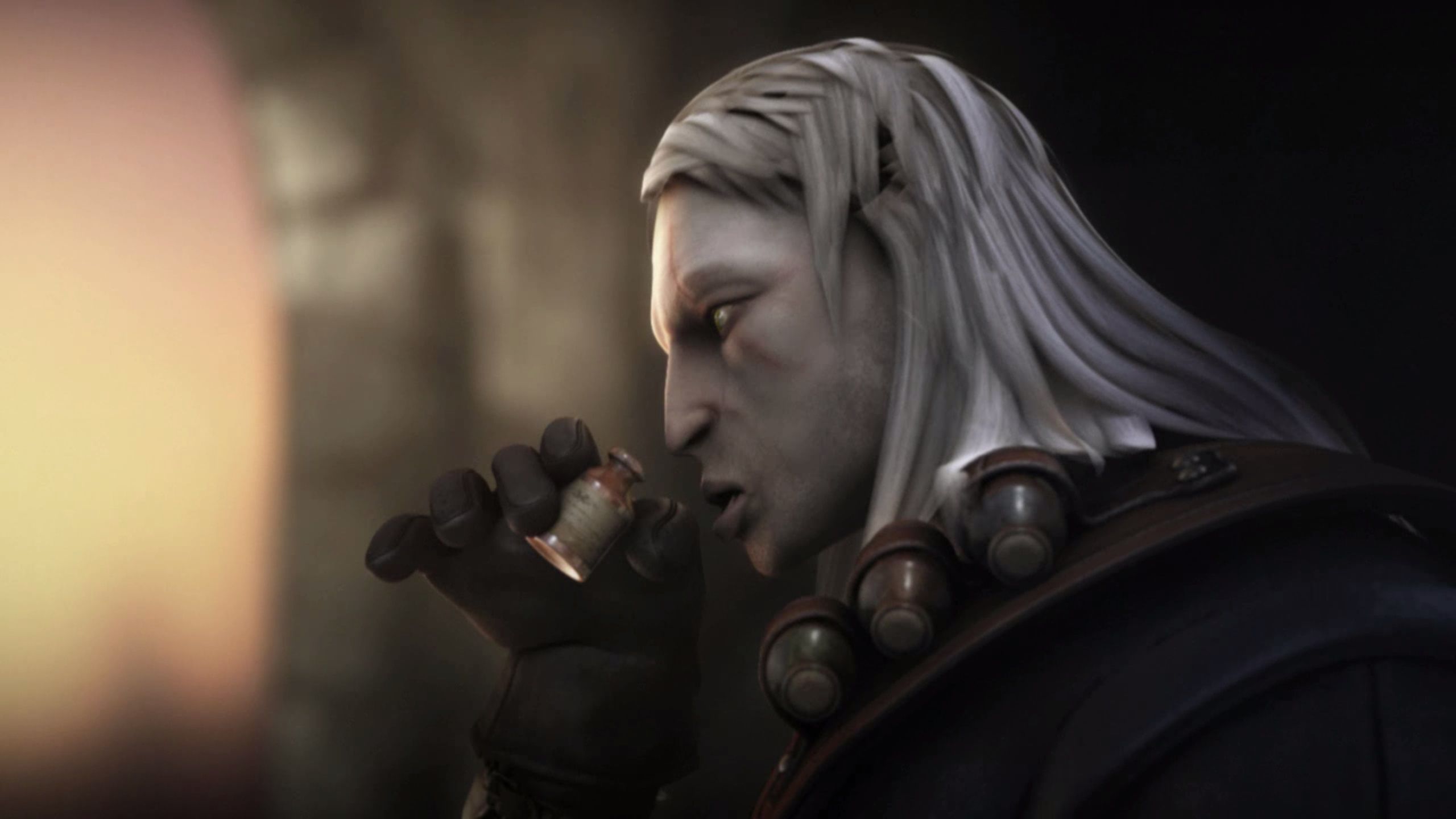
The Witcher 1 remake, announced in 2022 and currently in development at Fool’s Theory, is undergoing a significant transformation compared to the 2007 original. Rather than remaining faithful to the linear structure of the first game, the remake is being reimagined as a modern open-world RPG.
The original Witcher featured individual maps to explore, but the overall progression was relatively linear, moving players from one point to another in a structured fashion. By contrast, the new version aims to adopt an open-world design philosophy similar to The Witcher 3: Wild Hunt.
However, the scope of this redesign presents substantial challenges, according to Artur Ganszyniec, designer on the original Witcher and Witcher 2. Speaking to Polish publication Chip, Ganszyniec acknowledged that while the shift to open-world design might appeal to players, it introduces significant complexities for developers. His remark—“As a player, I might be happy about that, but as a designer, I’m starting to get gray”—reflects the creative team’s concerns about the substantial work required to design and fill a larger, more open game world.
The extended development timeline, with the project still being refined years after its 2022 announcement, appears to reflect these design challenges. Converting a linear experience into a cohesive open-world game requires extensive work on world design, environmental density, quest distribution, and maintaining player engagement across a larger space.