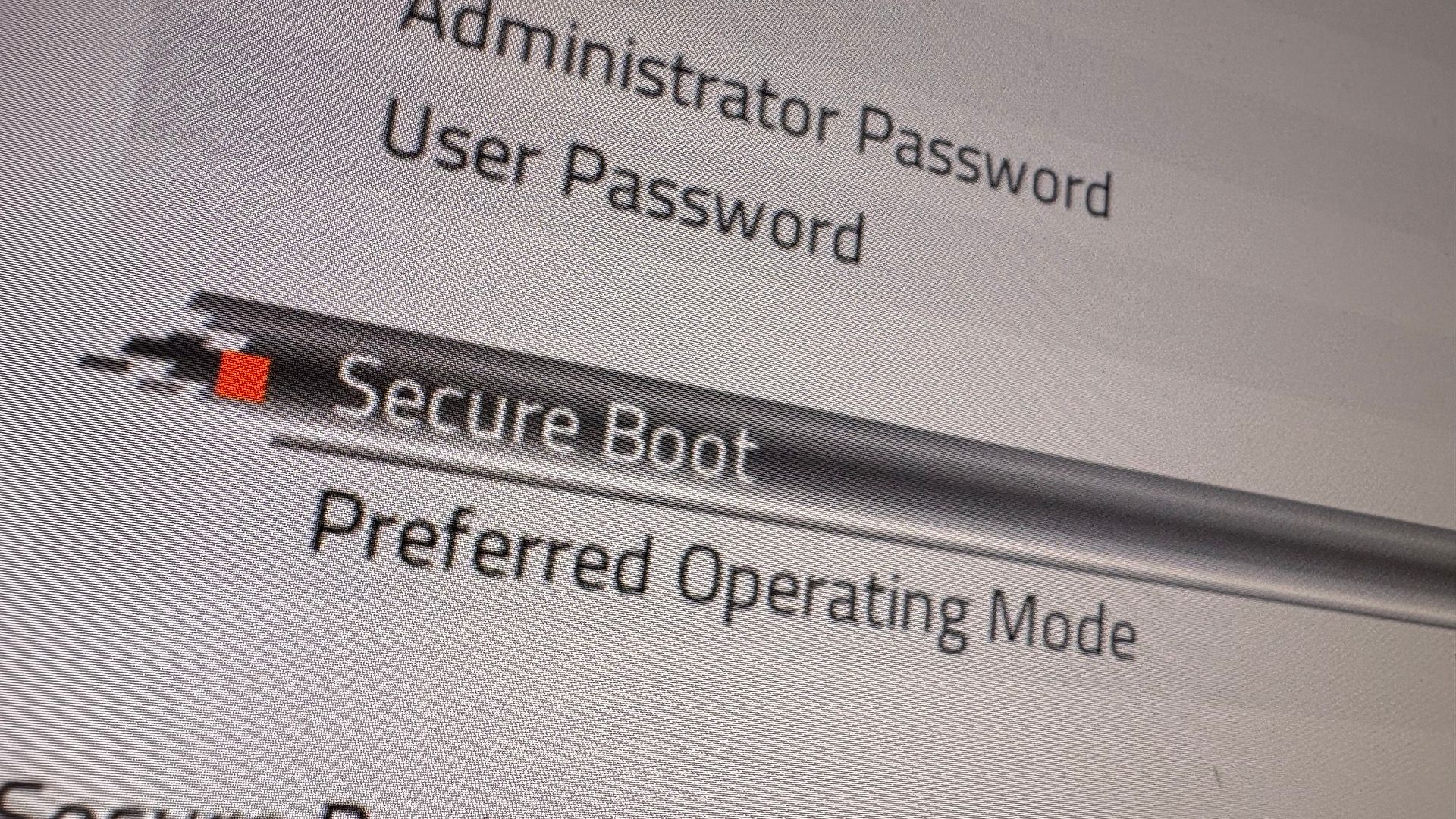
Turns out Microsoft’s Secure Boot was little better than a busted lock for about a decade
Microsoft’s Secure Boot, a critical security feature designed to protect systems from unauthorized code execution during startup, has been found to contain a significant vulnerability that persisted for approximately a decade.
The flaw allows attackers to exploit old system images to bypass Secure Boot’s motherboard-level protections, enabling the execution of malicious code during the boot process and installation of persistent firmware-level malware. Once installed, this malicious firmware becomes extremely difficult to remove and survives system restarts.
The discovery is particularly alarming because it effectively renders Secure Boot redundant against this specific attack vector. Secure Boot is intended to be a foundational protection mechanism, and its compromise at the firmware level represents a critical security gap. The vulnerability demonstrates how legacy compatibility requirements—specifically the validation of older system images—can create unforeseen weaknesses in otherwise carefully designed security architectures.
The decade-long presence of this vulnerability before public disclosure raises concerns about security review processes for critical infrastructure components in major operating systems. The incident underscores the complexity of maintaining comprehensive security across systems with numerous interdependencies and the challenges of balancing backward compatibility with robust security validation. For users, it highlights the risks of systems that inadequately validate all code executed at the boot level.