‘We’re interested in having the whole PC catalog as our ’launch exclusive’’: Valve talks exclusives and the advantages of an open platform
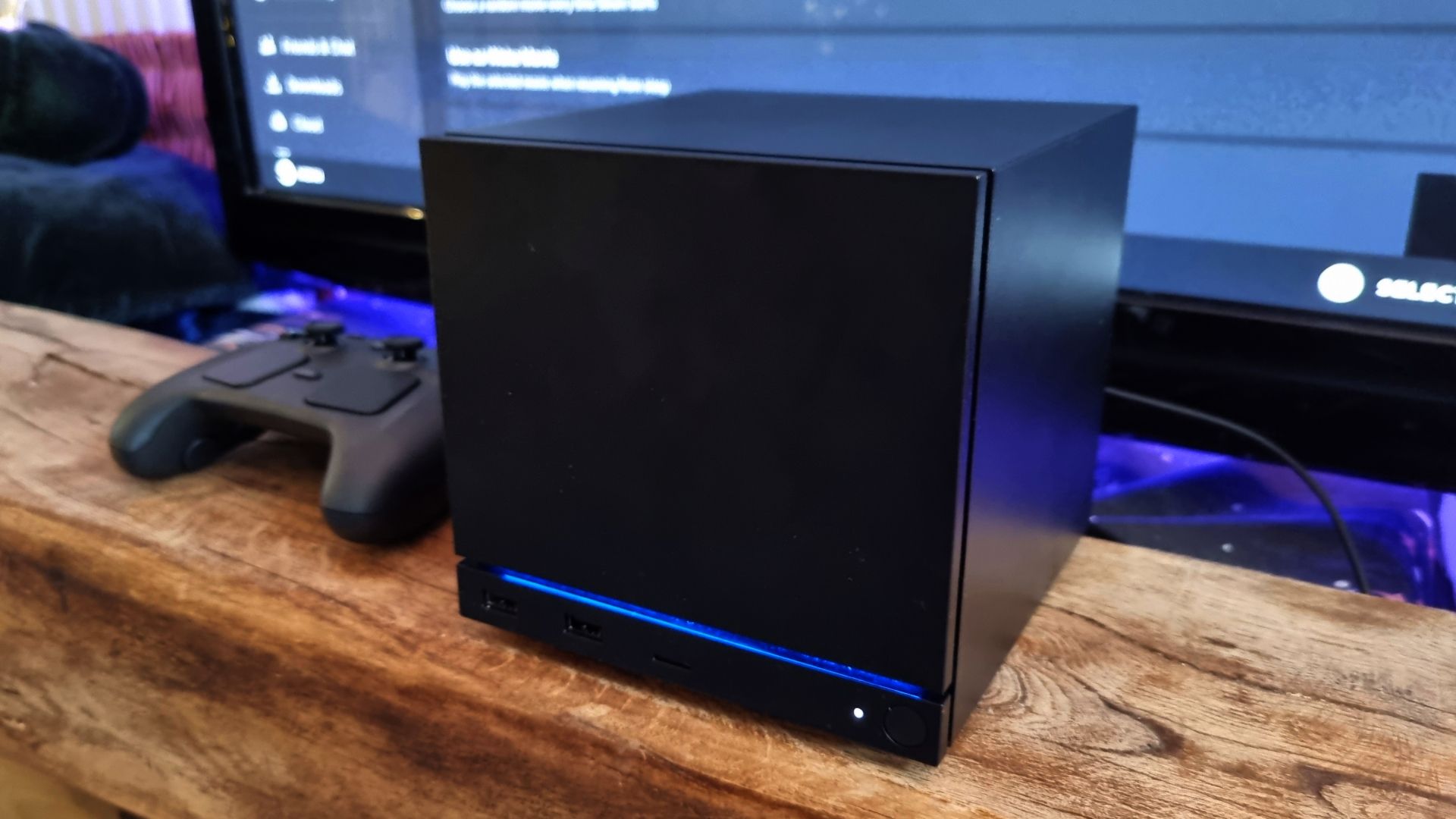
Valve has emphasized its commitment to an open platform approach with the Steam Machine, explicitly rejecting the industry’s traditional exclusivity model. The company’s $1,000 Steam Machine cube, which runs SteamOS—a Linux-based operating system—can be manufactured by anyone, not just Valve, reflecting the company’s broader philosophy on hardware democratization.
Central to Valve’s strategy is its deliberate choice not to develop games exclusively for its hardware. Instead, Valve aims to leverage the entire existing PC catalog as launch content for its platform, a strategy that fundamentally differs from how console manufacturers use exclusive titles to drive hardware adoption. This approach positions the vast library of existing PC games as the primary draw for consumers interested in Steam Machines and living room gaming experiences.
Valve priced the Steam Machine at approximately cost, though component prices have surged due to an AI-driven memory crisis affecting the industry. This pricing reflects Valve’s prioritization of ecosystem accessibility over hardware profit margins. By allowing third-party manufacturers to build compatible Steam Machines, Valve reduces its own hardware production burden while expanding the ecosystem’s reach.
This open-platform philosophy represents a deliberate divergence from traditional console business models. Rather than competing on exclusive content, Valve competes on the strength of its distribution platform, software ecosystem, and services. The strategy acknowledges that Valve’s competitive advantage lies not in proprietary hardware or exclusive games, but in providing an open, accessible gaming platform that anyone can build upon, making the living room PC experience more viable and widely available.