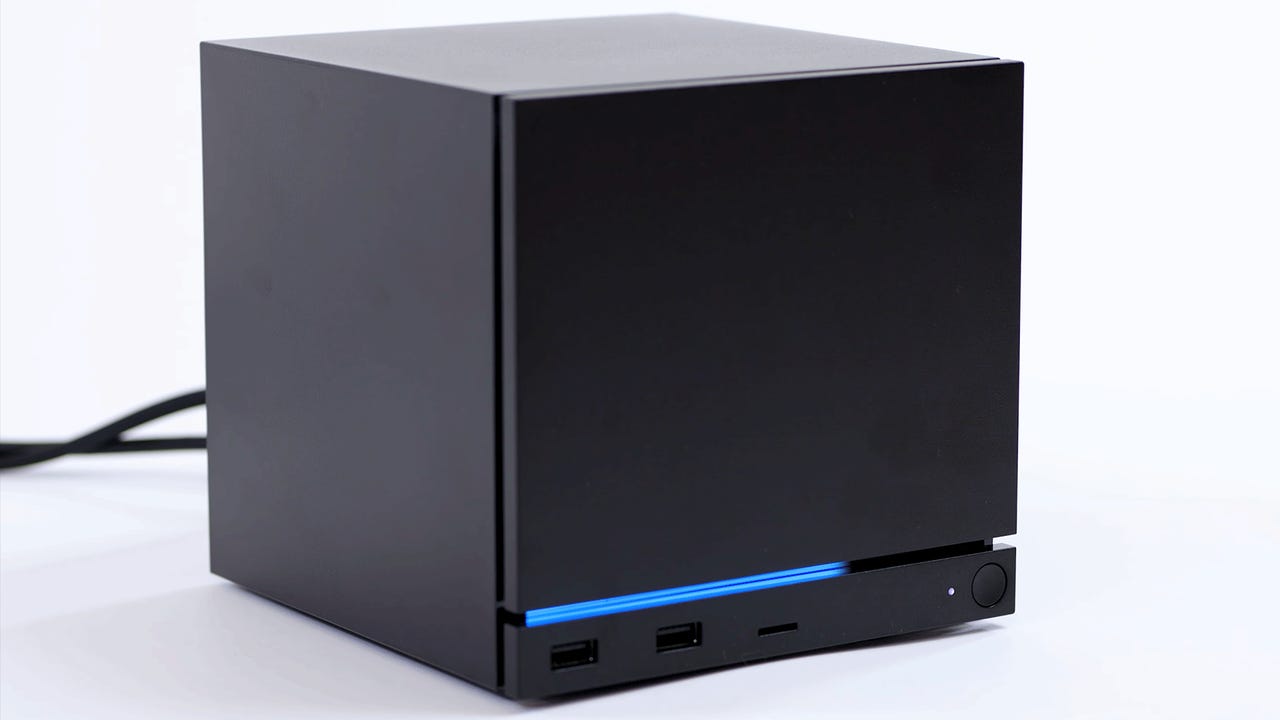
Steam Machine Engineers at Valve Signal Grim Future as Memory Crisis Is ‘Still Getting Worse’
Valve has launched the Steam Machine, an ambitious attempt to bring PC gaming to living rooms, priced at over $1,000. However, engineers involved in the hardware’s development are warning that the device’s premium cost reflects a worsening memory crisis with no relief in sight.
Yazan Aldehayyat and Pierre-Loup Griffais, key engineers who worked on the Steam Machine, told Bloomberg that the ongoing shortage driving up RAM and component prices is “still getting worse.” The crisis has been exacerbated by the AI industry’s voracious demand for computing resources, with AI development consuming vast quantities of graphics cards, SSDs, and memory—essential components also needed for gaming hardware.
Industry research predicts memory prices will continue rising sharply through 2027, with no expected price reductions until 2028 at the earliest. This timeline suggests PC gaming enthusiasts and alternatives like the Steam Machine will remain prohibitively expensive for the foreseeable future. Valve’s perspective on the market is notably pessimistic, with no indication that prices will return to reasonable levels anytime soon.
The memory crisis represents a significant challenge for gaming hardware manufacturers, as expensive components directly translate to higher consumer prices, potentially limiting market adoption for new gaming devices even as Valve attempts to establish the Steam Machine as a competitive living-room platform.