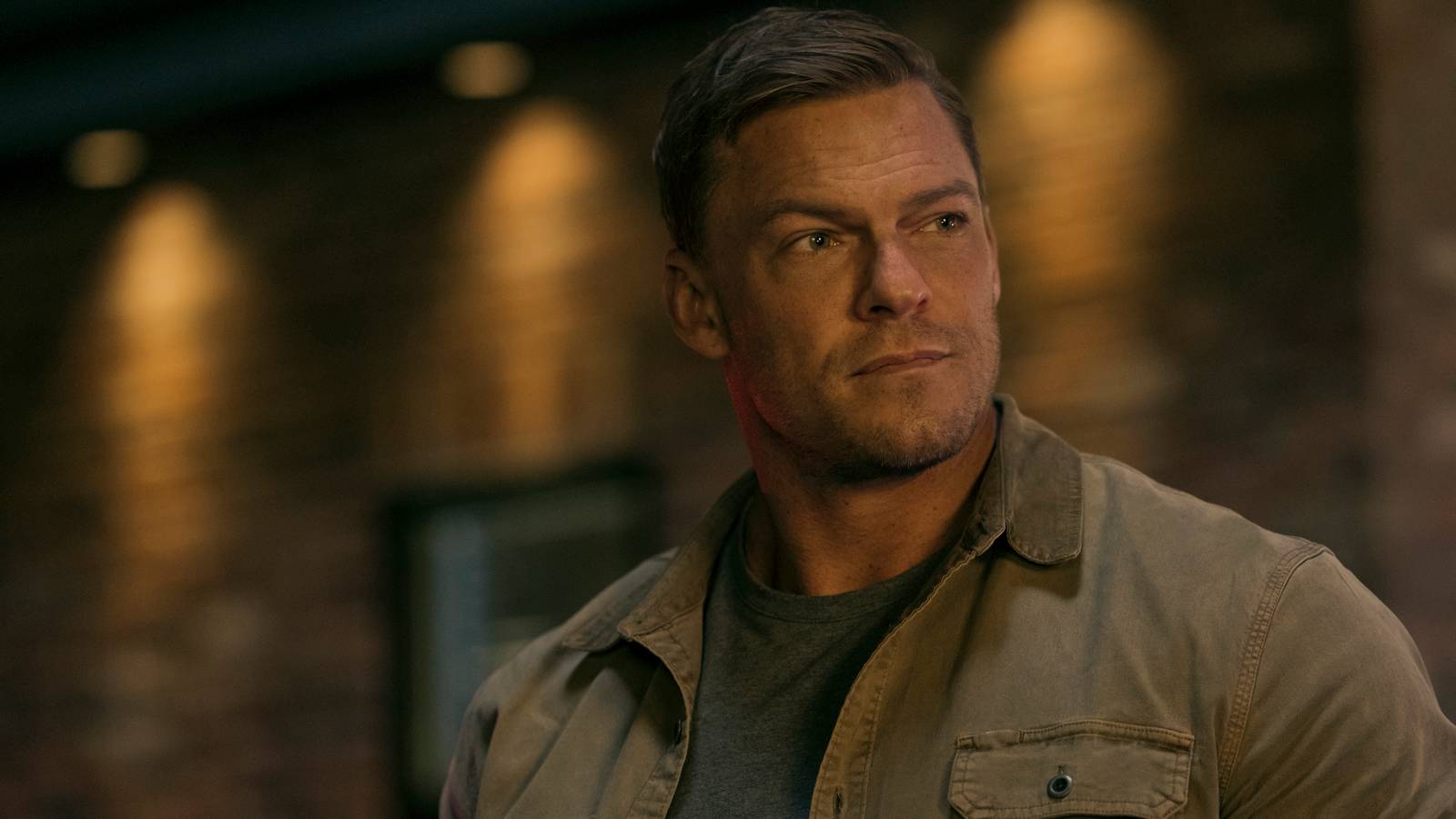
Hollywood stopped making action heroes like Alan Ritchson
Hollywood’s conception of the action hero has undergone a dramatic transformation over the past three decades. The impossibly muscular titans who dominated 1980s and 1990s cinema—epitomized by stars in blockbuster franchises—have gradually given way to more nuanced and relatable protagonists. Modern action heroes are now portrayed as charismatic rogues, emotionally conflicted characters, or ordinary people thrust into extraordinary circumstances, reflecting shifting audience expectations.
Actor Alan Ritchson stands out as an anomaly in this evolving landscape, embodying the archetype of a bygone era. His recent and upcoming roles—including Jack Reacher in the series Reacher, Anders Lassen in The Ministry of Ungentlemanly Warfare, and a U.S. Army Ranger in Netflix’s War Machine—showcase his consistent draw toward traditionally styled action heroes. The pattern suggests Ritchson has found a niche by gravitating toward roles that harken back to the physically imposing, straightforward protagonists that once dominated the genre.
This shift in Hollywood’s action hero template reflects broader changes in storytelling and audience preferences. Rather than relying solely on physical invulnerability and superhuman strength, contemporary action films emphasize character development, vulnerability, and moral complexity. Audiences have become more invested in heroes who struggle with their circumstances or bear psychological scars from their experiences, creating more layered narratives than the one-dimensional powerhouses of previous decades. Ritchson’s continued success despite—or perhaps because of—his throwback approach suggests there remains an audience appetite for the traditional action hero formula, even as the industry continues to evolve.