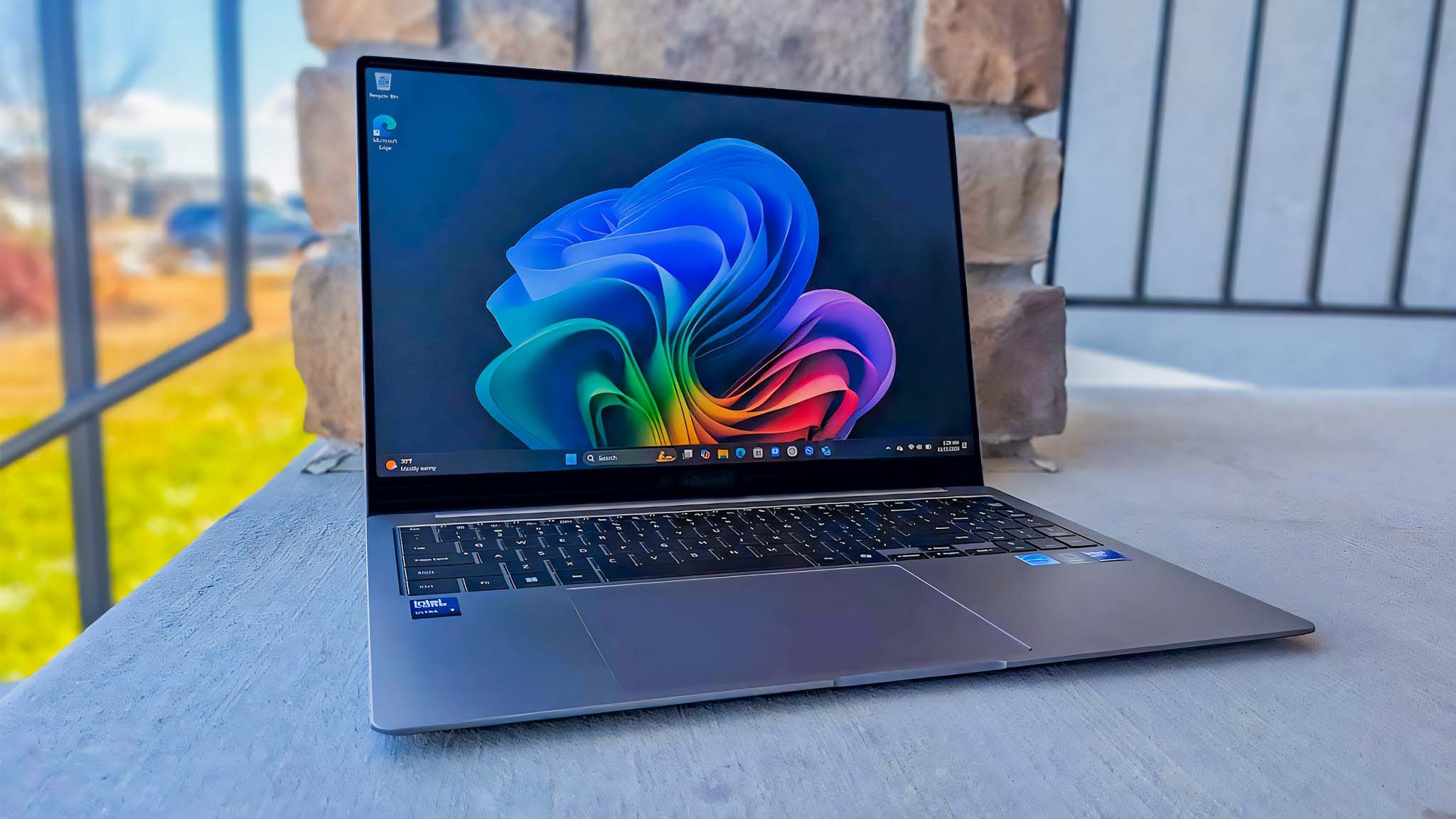
Samsung’s new GAIA PC chip challenges Microsoft’s Copilot+ program — and why I can only see that as a positive for the AI PC industry
Samsung is entering the competitive AI PC chip market with its new GAIA processor, marking the company’s significant return to PC-centric silicon after a 14-year absence. The custom chip, being developed by Samsung’s System LSI business unit, aims to compete directly with existing offerings from Intel, AMD, and Qualcomm in the rapidly expanding AI PC sector. This strategic move comes as NVIDIA has also announced RTX Spark at Computex 2026, intensifying competition in a market currently dominated by Microsoft’s Copilot+ program. The emergence of multiple new competitors—including Samsung and NVIDIA—signals growing momentum in AI PC development and suggests the sector is moving beyond a single vendor’s control. Industry observers are viewing Samsung’s entry as a net positive for the ecosystem, as increased competition typically drives innovation and gives consumers more options. While specific details about GAIA’s technical specifications and capabilities remain sparse, Samsung’s commitment to developing purpose-built silicon for AI PCs underscores the category’s importance to major manufacturers. The company’s System LSI division brings considerable expertise in chip design, suggesting GAIA could be a serious contender rather than a simple experimental effort.