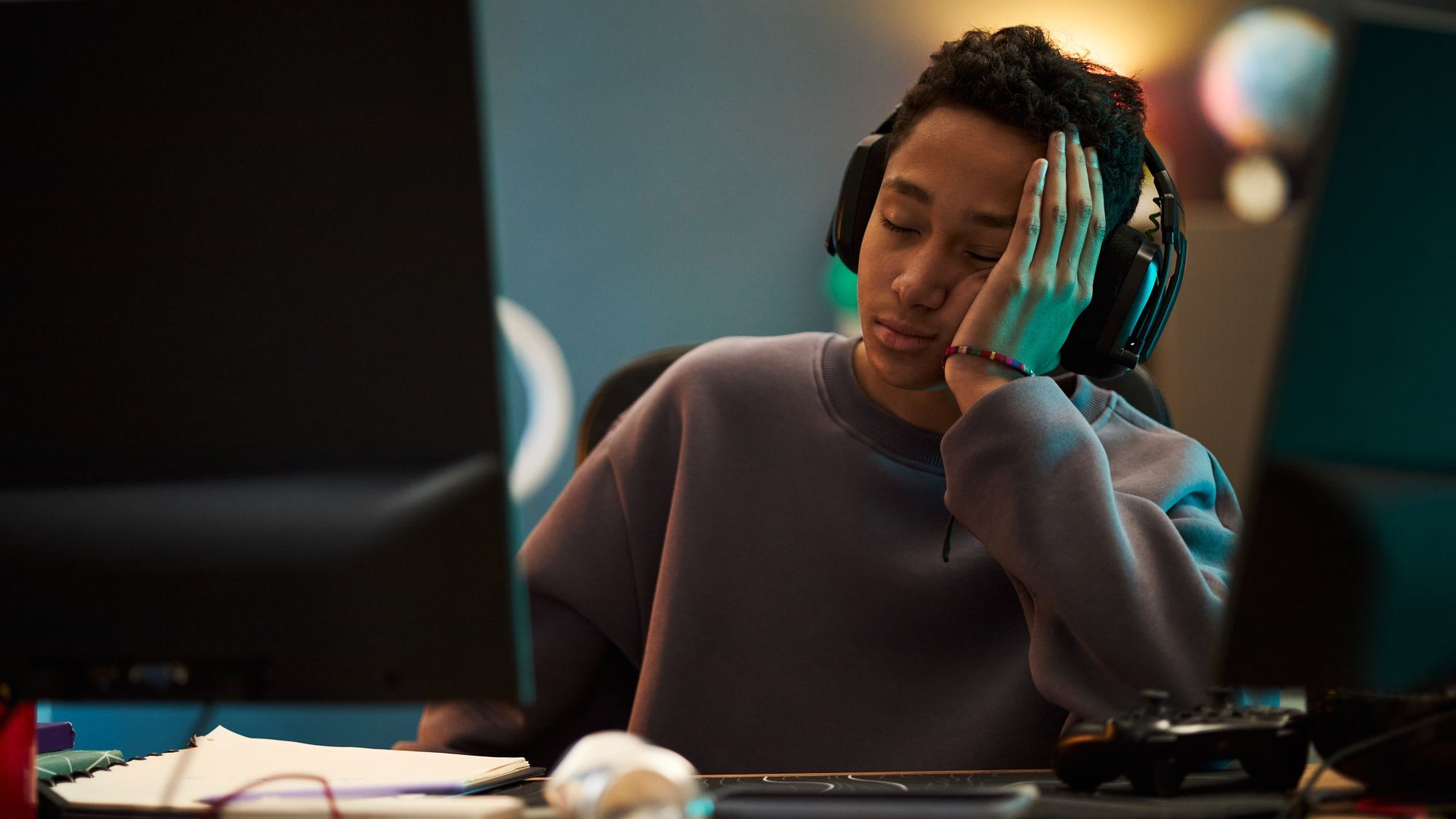
Analog hobbies are booming as AI burnout hits Gen Z hardest — and the Windows PC could be the unexpected winner
A growing trend of younger generations turning to analog hobbies signals a cultural shift away from digital saturation, with reports suggesting Gen Z is experiencing notable burnout from AI-driven digital experiences. The movement, often termed the “analog revival,” represents not a wholesale rejection of technology but rather a deliberate choice to incorporate offline activities back into daily life.
The article traces this phenomenon from the author’s own childhood experience in a primarily analog world—before smartphones, when computing was limited and entertainment came through physical media like cassettes and floppy discs. This contrasts sharply with today’s always-connected, AI-integrated digital landscape that even toddlers navigate intuitively.
Notably, the trend carries an unexpected benefit for the Windows PC ecosystem. As consumers seek alternatives to cloud-dependent, subscription-heavy computing paradigms dominated by mobile and streaming services, traditional PC platforms—particularly Windows—may gain renewed relevance. The article suggests this revival isn’t anti-technology but rather a measured response to digital fatigue and AI burnout specifically impacting younger demographics.
The analog revival encompasses various hobbies and activities, from analog photography to vinyl records to outdoor pursuits, reflecting a desire for tangible, immediate experiences without algorithmic mediation. This cultural moment captures a broader generational anxiety about technological acceleration, particularly regarding artificial intelligence’s expanding role in digital spaces.
The Windows PC’s position in this narrative highlights how traditional computing platforms might benefit from authenticity-seeking consumers fatigued by cutting-edge digital experiences, underscoring evolving attitudes toward technology adoption among Gen Z.