Magic designers know what fans want, and that’s more fantasy Universes Beyond
Magic: The Gathering’s Universes Beyond branch—a series of crossover sets featuring external intellectual properties—continues to be a major focus for Wizards of the Coast, despite mixed fan sentiment. While the initiative has proven commercially successful, a substantial portion of the Magic community remains skeptical about the growing influx of non-fantasy IP entering the game.
The primary criticism centers on thematic cohesion. Many players argue that certain crossovers, such as Teenage Mutant Ninja Turtles and Spider-Man sets, feel fundamentally misaligned with Magic’s established fantasy aesthetic. These modern, real-world franchises create a jarring contrast with the game’s core identity, and fans worry that proliferating such sets may dilute Magic’s unique world-building.
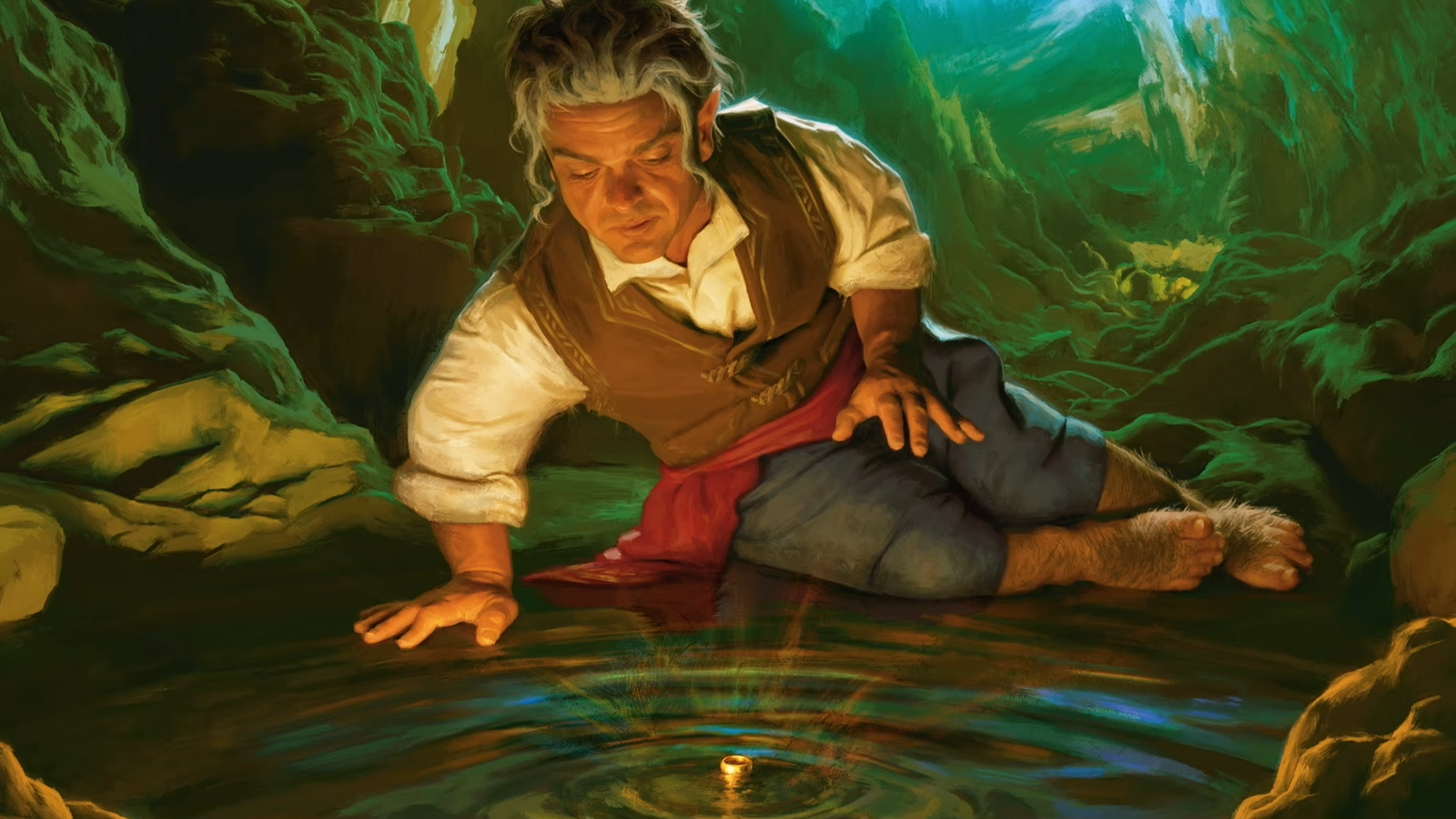
However, not all Universes Beyond products have faced resistance. The Lord of the Rings: Tales of Middle-earth and Final Fantasy sets demonstrate that strategic IP partnerships can achieve both critical acclaim and commercial success. These crossovers garnered near-universal praise from the Magic community, suggesting that intellectual properties with strong fantasy elements align more naturally with the game’s universe.
The apparent strategic shift indicates that Wizards of the Coast is responding to market data showing which crossovers resonate most effectively with players. By selecting IPs like Lord of the Rings and Final Fantasy—established fantasy franchises with passionate fan bases—the company aims to replicate their success while minimizing the thematic friction that has plagued other collaborations. This approach highlights the delicate balance between commercial opportunity and community satisfaction.