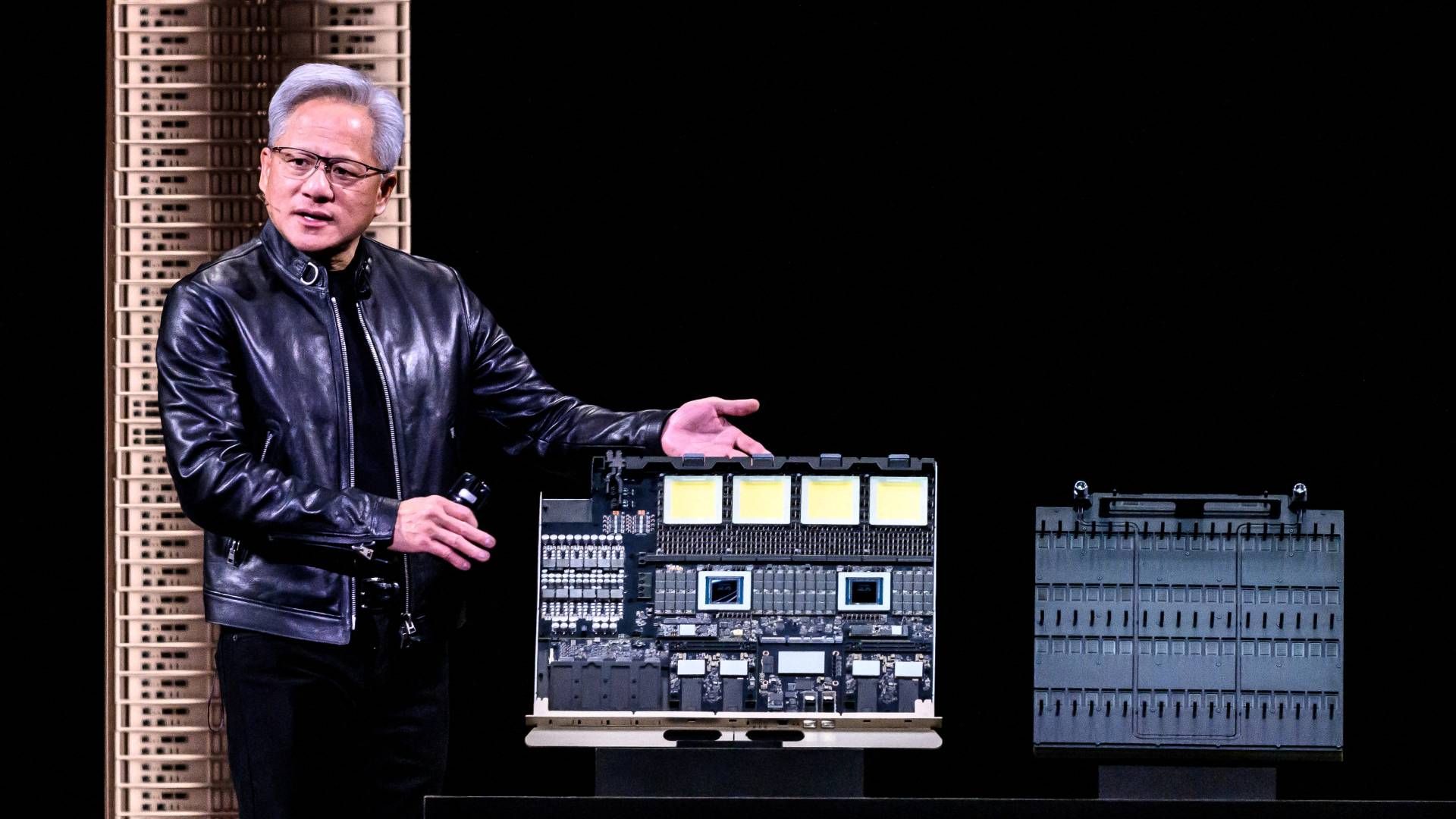
Nvidia Rubin will ‘soak up NAND supply like a sponge absorbs water’ says one analyst, thanks to the AI server’s new way of using SSDs
Nvidia’s upcoming Rubin servers, launching later this year, feature a new “context memory storage” (CMX) technology that industry analysts predict will dramatically reshape NAND supply chains. Each CMX-equipped server includes 576 solid-state drives with a combined capacity of 9,600 terabytes.
The implications for storage supply are significant. Industry projections forecast NAND demand for CMX will surge from approximately 35 million terabytes currently to over 100 million terabytes in the coming year—roughly a threefold increase. One analyst colorfully described the technology as something that will “soak up NAND supply like a sponge absorbs water.”
This reflects a broader pattern in AI infrastructure: as manufacturing capacity expands or new technologies emerge, demand expands to meet and exceed it. The CMX technology appears designed to optimize AI server performance through massive local storage for context windows or model data caching, but the consequence is unprecedented strain on global NAND supply chains.
The forecasted surge raises critical questions about whether manufacturers can scale production to meet demand. For the storage industry, Rubin servers represent both significant growth opportunity and a substantial manufacturing challenge—requiring capacity increases of roughly 65 million terabytes annually to fulfill projected AI infrastructure needs.