How the Silent Hill Townfall team made a charming seaside town utterly terrifying
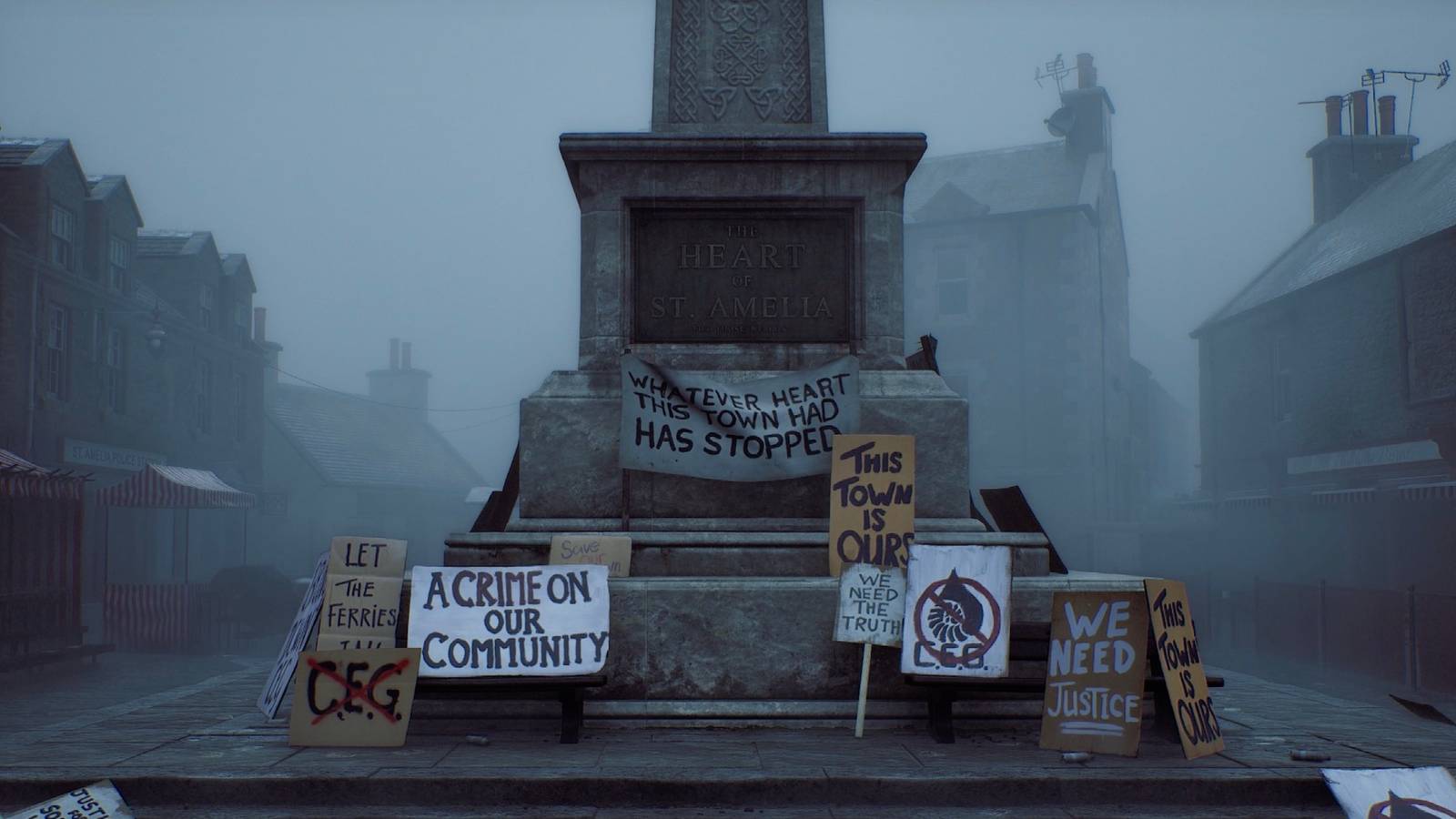
Screen Burn’s Silent Hill: Townfall achieves its horror impact through meticulous environmental design, transforming a fictional Scottish island town into a deeply unsettling setting. Developed by the Glasgow-based studio and published by Konami, the game takes place in St. Amelia during the mid-1990s, featuring an extraordinary level of environmental detail that captures the distinctive aesthetic of small U.K. towns.
The developers prioritized atmospheric authenticity, from the way moisture hangs in the air to the weathered texture of paint on textured building facades. At a preview event in Los Angeles, writer-director Jon McKellan and series producer Motoi Okamoto explained their approach to creating a charming coastal setting that gradually becomes deeply disturbing. Rather than relying on overt horror elements, the team used environmental storytelling and atmospheric design to establish an underlying sense of dread.
Townfall represents a thoughtful approach to horror game design, where setting becomes as important as narrative or gameplay mechanics. The focus on regional authenticity—grounding the fictional town in real-world Scottish architectural and environmental characteristics—creates an unsettling familiarity that amplifies the horror experience. By making players feel immersed in a believable, meticulously detailed world before introducing supernatural elements, Screen Burn crafts an experience where the ordinary becomes ominous.