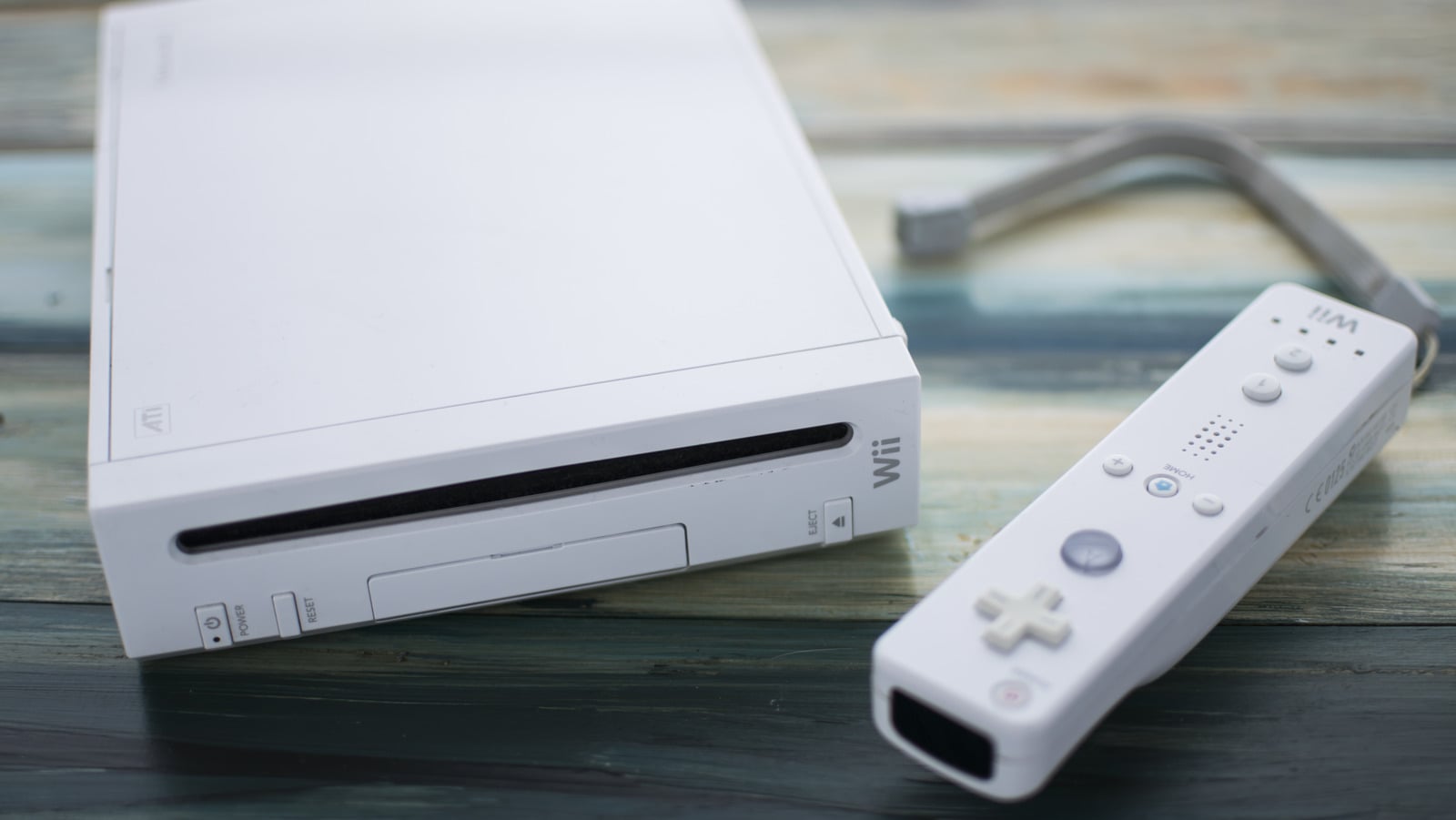
GameCube Sales Inspired the Nintendo Wii and DS, Says Miyamoto
Shigeru Miyamoto has revealed that Nintendo’s most successful consoles, the Nintendo Wii and Nintendo DS, were directly conceived in response to the Nintendo GameCube’s poor sales performance. The strategic shift came from suggestions by Satoru Iwata, Nintendo’s legendary former president.
The GameCube suffered from limited market appeal, attracting primarily hardcore gamers and failing to reach beyond the traditional gaming audience. In response, Nintendo deliberately designed the Wii and DS with different approaches, but sharing a common goal: to reach beyond traditional “gamers” and attract casual players.
This strategy proved remarkably successful. Both consoles became among the best-selling gaming platforms in Nintendo’s history, with a shared defining characteristic—their ability to attract players outside the traditional gaming community. This broader appeal fundamentally expanded Nintendo’s potential market beyond the hardcore demographic that had supported the GameCube.
Miyamoto’s comments offer insight into Nintendo’s strategic thinking during a pivotal period. The company’s response to the GameCube’s failure demonstrates how analyzing market shortcomings led to innovative platform designs intended to expand gaming’s reach to non-traditional audiences and casual players.