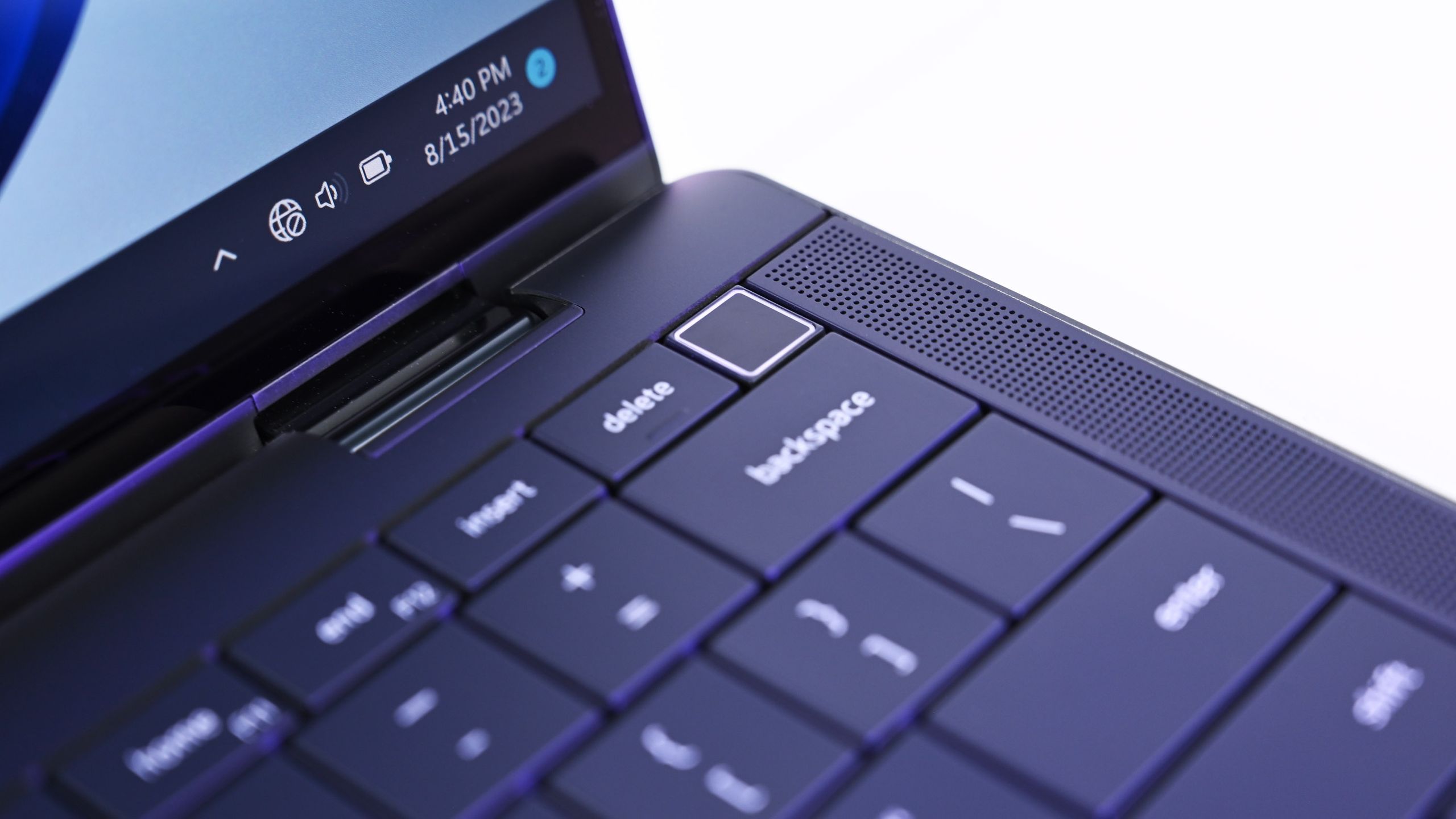
Windows Hello vs. Enhanced Sign‑in Security: Which sign‑in method actually keeps your Windows 11 PC safer, and what’s the difference?
Microsoft is expanding Enhanced Sign-in Security (ESS), a security feature in Windows 11 that has remained poorly understood since its introduction. Beginning with the August 2026 update, ESS now supports compatible external fingerprint readers, bringing advanced biometric authentication to Windows 11 devices that lack built-in fingerprint sensors.
Enhanced Sign-in Security represents Microsoft’s most secure Windows Hello experience, yet confusion persists among users about its purpose and capabilities. Many users incorrectly assume ESS is simply a newer iteration of Windows Hello, while others believe it is exclusively reserved for enterprise environments or Copilot+ PCs. The expansion to external fingerprint reader support addresses a significant limitation, as previous implementations were restricted to devices with integrated biometric hardware.
This update is particularly significant for users with compatible external fingerprint readers who were previously unable to access ESS capabilities. By extending fingerprint authentication to a broader range of devices, Microsoft is democratizing access to its most secure sign-in method. The move reflects Microsoft’s ongoing efforts to improve Windows 11 security while making advanced authentication features available to a larger user base.
The timing of this expansion highlights Microsoft’s commitment to security while acknowledging the need for clearer communication about ESS capabilities and benefits. As Windows 11 continues to evolve, user education regarding the distinction between standard Windows Hello implementation and Enhanced Sign-in Security remains essential for maximizing adoption of these security features.