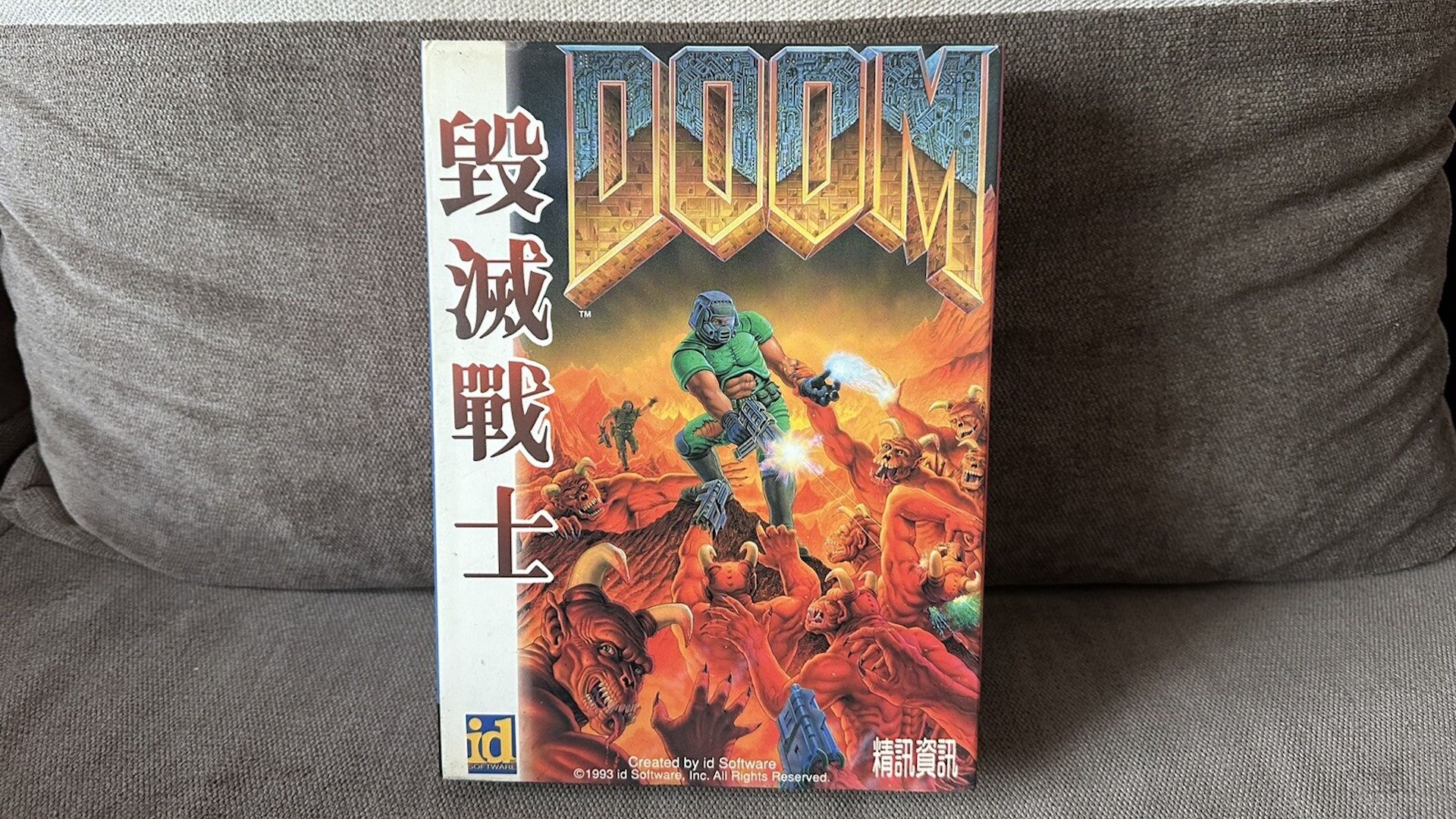
John Romero says id Software once sold empty Doom boxes to Taiwanese pirates so fans there could have legit copies: ‘For us, it was distribution’
During an opening panel at QuakeCon, id Software co-founder John Romero shared a creative anecdote from Doom’s early distribution strategy. The legendary 1993 shooter pioneered the shareware model: the first episode was freely distributed, and players could pay to receive the complete game with two additional episodes by mail.
However, this free-to-play approach created an unintended problem. Unauthorized resellers, particularly in Taiwan, would package and sell the free shareware version despite its no-cost status, marketing it as a legitimate product. These counterfeit distributions undercut the intended business model while frustrating the developers’ ability to directly reach fans willing to support their work.
Rather than pursue purely legal action, id Software adopted a pragmatic solution that served both parties’ interests. The company sold empty Doom boxes directly to Taiwanese pirates—essentially providing legitimate packaging without the game content. This allowed unauthorized resellers to fulfill local demand with officially sanctioned materials, transforming illegal distribution into a semi-legitimate operation where fans could obtain tangible, official merchandise.
From id Software’s perspective, this arrangement solved a genuine logistics problem. In the pre-internet era, international distribution was prohibitively expensive and complex. By enabling local pirates to repackage and sell the game with official boxes, id Software effectively gained market penetration into Taiwan without bearing the full cost of direct international shipping. The pirates benefited from legitimacy; fans obtained official products; and id Software reached a previously inaccessible market segment.
This pragmatic approach to piracy reflected the realities of pre-digital gaming distribution, demonstrating the developers’ understanding that enabling access to their game through unconventional channels ultimately benefited both their market reach and the broader gaming community.