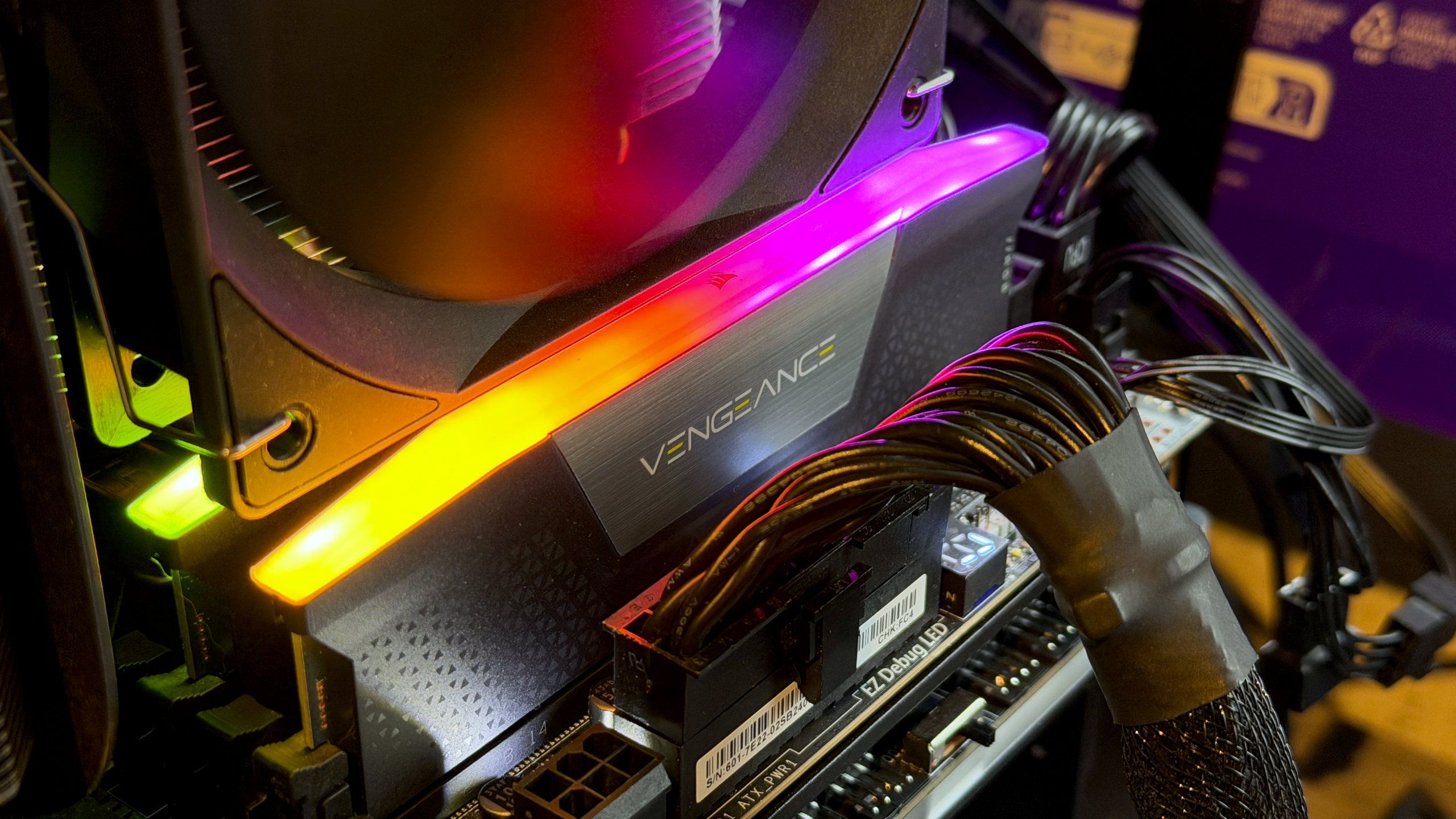
Corsair isn’t rolling in money from its mega-expensive RAM kits—and it’s all thanks to higher component costs and lower demand
Corsair’s expensive RAM kits are not translating into higher revenues, according to the company’s latest SEC filings. While the gaming memory market has experienced dramatic price increases—with a 32GB Corsair Vengeance DDR5 RGB kit climbing from $90-100 just a couple of years ago to $480 at current retail prices—this hasn’t boosted Corsair’s bottom line.
In Q2 2026, Corsair reported approximately a 9% decline in gaming component and system revenue compared to the same period last year, despite the elevated memory prices consumers are paying. The disconnect reveals a challenging market dynamic: while end-user prices have soared, Corsair’s ability to capitalize on those prices has been constrained.
The company’s gross profit margin improved 17% year-over-year, suggesting Corsair has managed to maintain profitability despite declining revenue. However, this margin improvement appears insufficient to offset the revenue contraction. The underlying causes point to dual pressures: rising component costs for Corsair itself and declining consumer demand, with buyers unwilling or unable to pay premium prices for memory.
This situation illustrates the complexity of the current memory market. While Corsair RAM remains comparatively competitive in pricing relative to other brands, the entire market has shifted to much higher price points. The revenue decline suggests that higher prices have dampened demand more significantly than the margin improvements can compensate for.