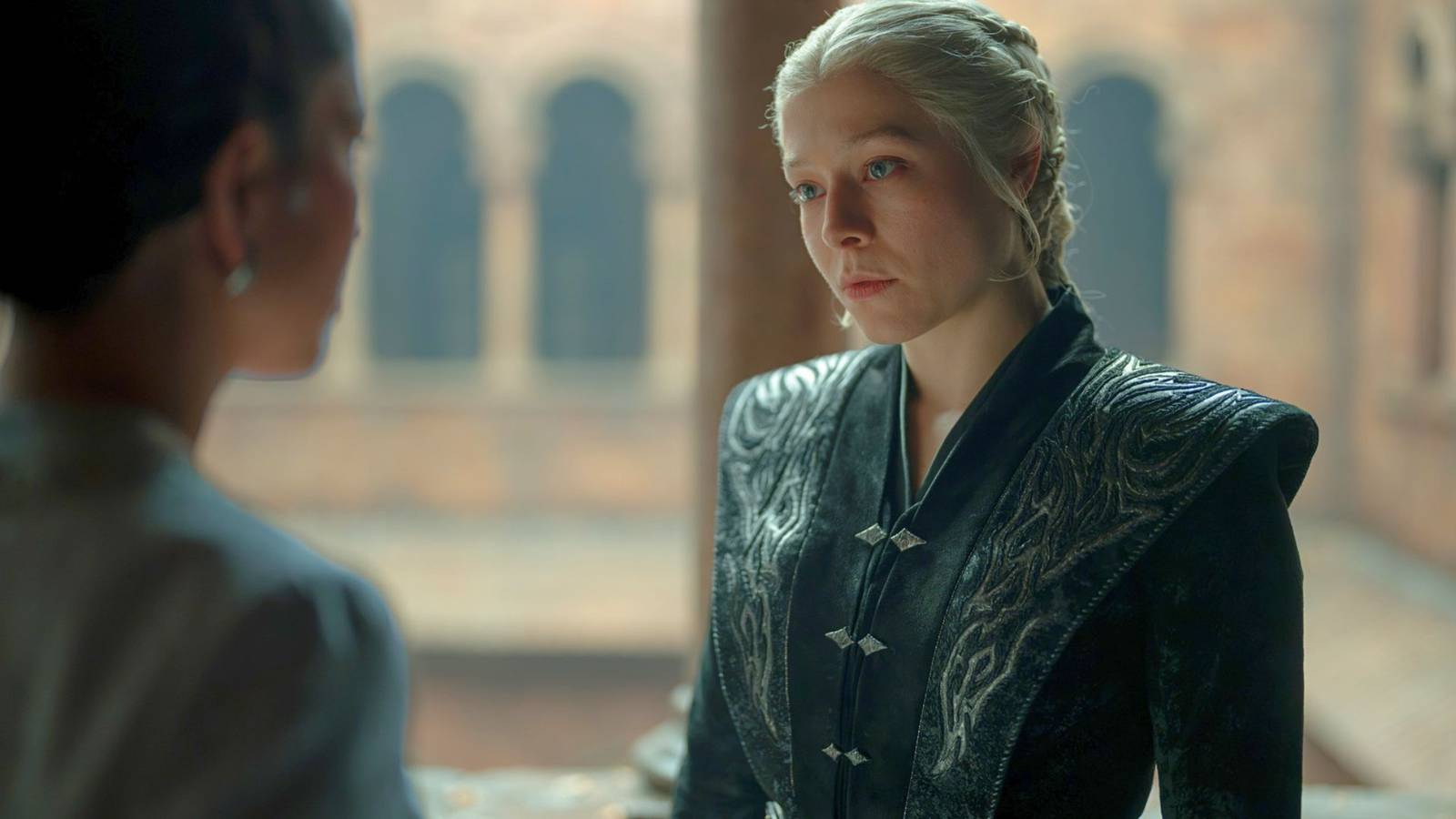
‘House of the Dragon’ Officially Rewrites the Saddest Downfall in Game of Thrones History
House of the Dragon’s season 3 finale has delivered significant departures from George R.R. Martin’s source material, with showrunner Ryan Condal and writer Sara Hess continuing to reshape the narrative established in Fire & Blood. The adaptation has proven largely successful in reimagining key character relationships and plot points, though questions linger about how drastically the fourth and final season might deviate from Martin’s historical account.
One notable change involves aging Alicent and Rhaenyra to be contemporaries, a decision that has generated more compelling storytelling than the source material’s portrayal of an evil crone stepmother opposing a young stepdaughter. This character adjustment represents the show’s broader strategy of modernizing and deepening relationships for television audiences.
The season 3 finale also surprised viewers with unexpected changes to dragon seed Ulf the White’s storyline. In the books, Ulf emerged as a common folk member who answered Team Black’s call for dragon riders, successfully mounting the dragon Silverwing in a pivotal moment. However, the show has taken his character arc in a different direction in season 3, subverting expectations for those familiar with Fire & Blood.
While most adaptations have been favorably received for enriching character dynamics and relationships, the extent to which the final season will continue deviating from Martin’s text remains uncertain. As the series heads toward its conclusion, these narrative divergences may ultimately define how House of the Dragon concludes the Dance of the Dragons saga.