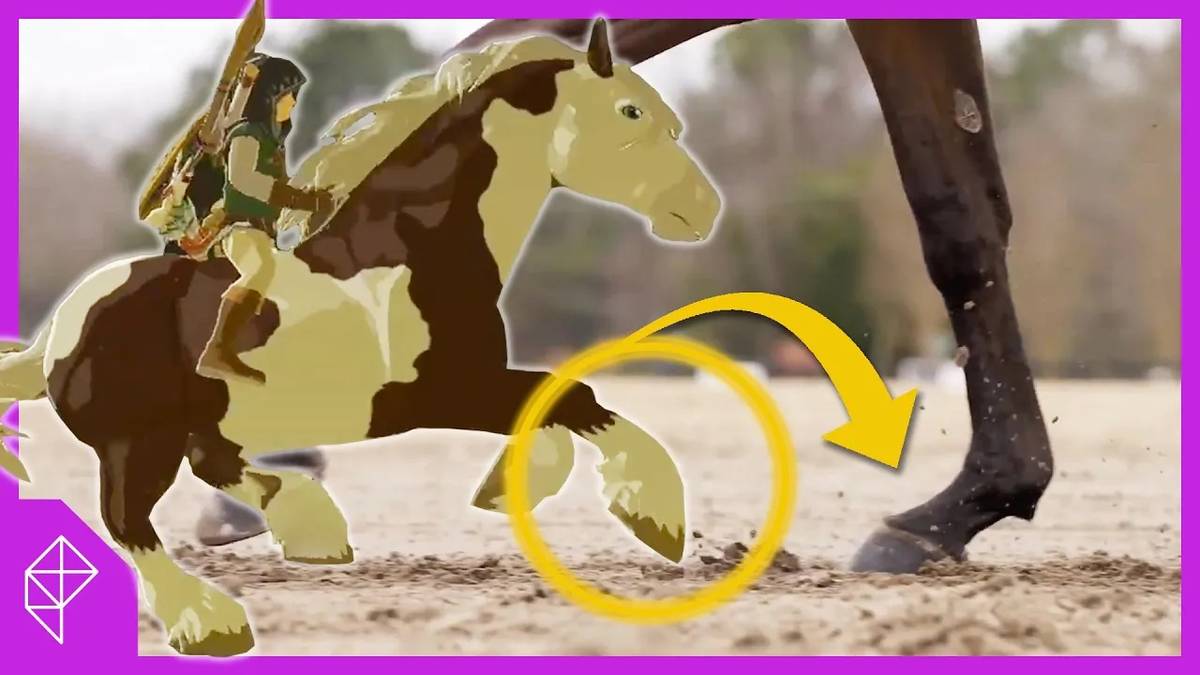
Why horses are so hard for video games to get right
Horses present unique technical and design challenges for video game developers, requiring significantly more effort than many other in-game elements. Their complex anatomy — including unusual joint structures and multiple distinct gaits — makes them difficult to animate and implement convincingly. Consequently, many game developers opt to treat horses as simple transportation mechanics rather than fully-realized creatures with unique gameplay properties.
However, some games demonstrate the value of investing in sophisticated horse mechanics. Titles like The Legend of Zelda: Breath of the Wild and Elden Ring showcase how horses can become meaningful gameplay elements when developers commit to bringing them to life authentically. These efforts pay off through enhanced player experience and engagement, suggesting that the investment in proper horse implementation can significantly benefit a game’s overall quality.
The challenge highlights a broader game development issue: complex systems require substantial time and resources to execute well. When developers choose to prioritize horse mechanics, they gain distinct gameplay advantages, but the technical barriers mean many titles understandably treat horses as background elements. Understanding these challenges provides insight into the often-invisible work that goes into creating believable, interactive animal characters in video games.