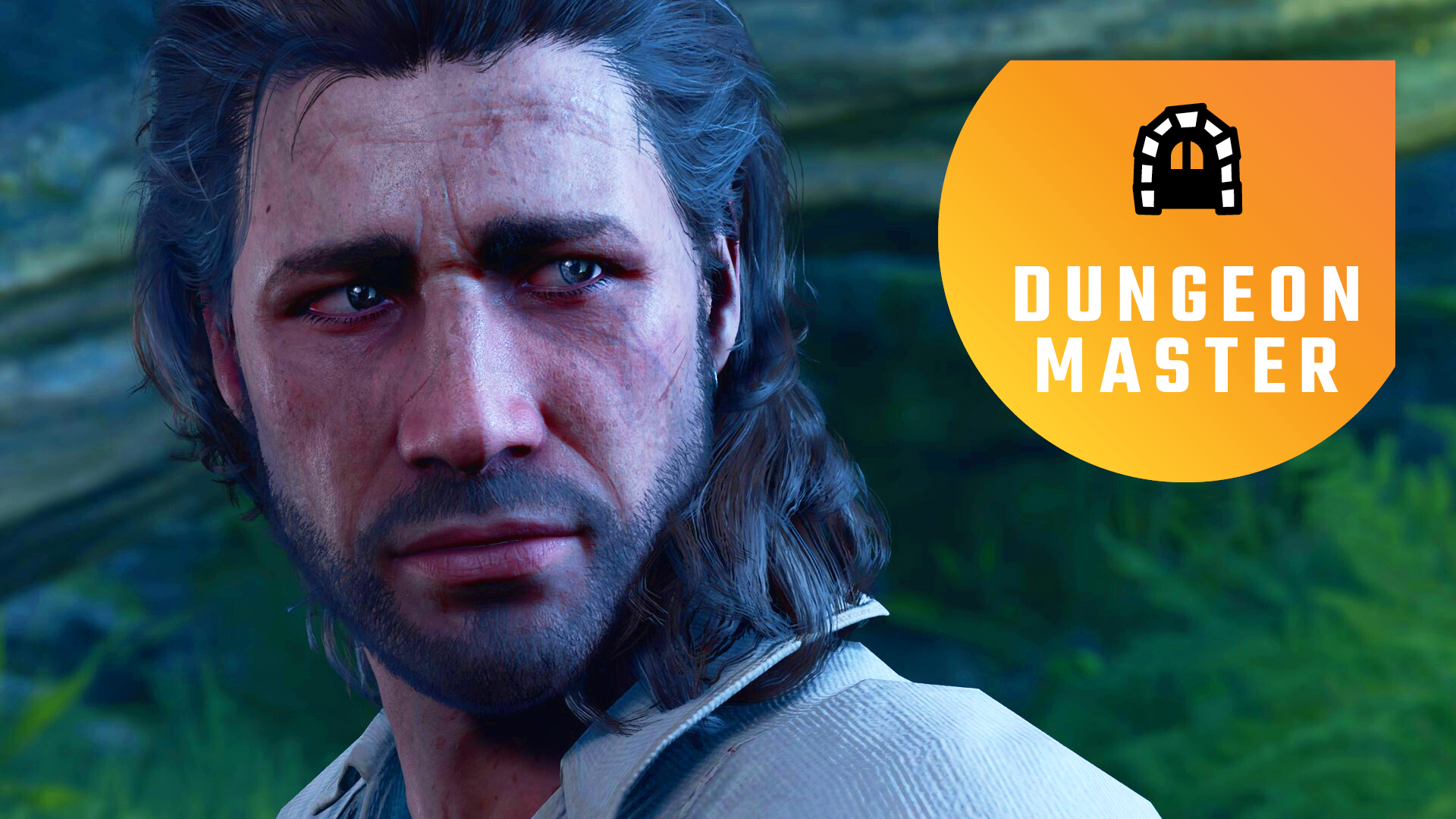
RPG companions need to be hateable, otherwise nobody’s going to love them
This article examines companion design in RPGs, arguing that flawed, obstructive characters make for superior storytelling compared to universally likable companions. PC Gamer columnist Harvey Randall uses Baldur’s Gate 3’s Gale as a primary example, noting that what made the wizard memorable wasn’t his charm or appearance, but rather a petty moment following a romantic encounter. According to this perspective, character flaws—including frustrating behavior—create genuine emotional investment and more meaningful relationships between players and companions.
The piece contends that developers should prioritize authentic character depth over broad appeal when designing party members. When companions have realistic shortcomings and create occasional friction, players develop stronger connections and more satisfying character arcs. Rather than smoothing over imperfections to ensure universal likability, embracing narrative conflict and character complexity leads to more engaging storytelling. This approach transforms role-playing experiences by treating companions as authentic characters with legitimate grievances and personality quirks, making romantic and friendship storylines feel earned rather than obligatory.