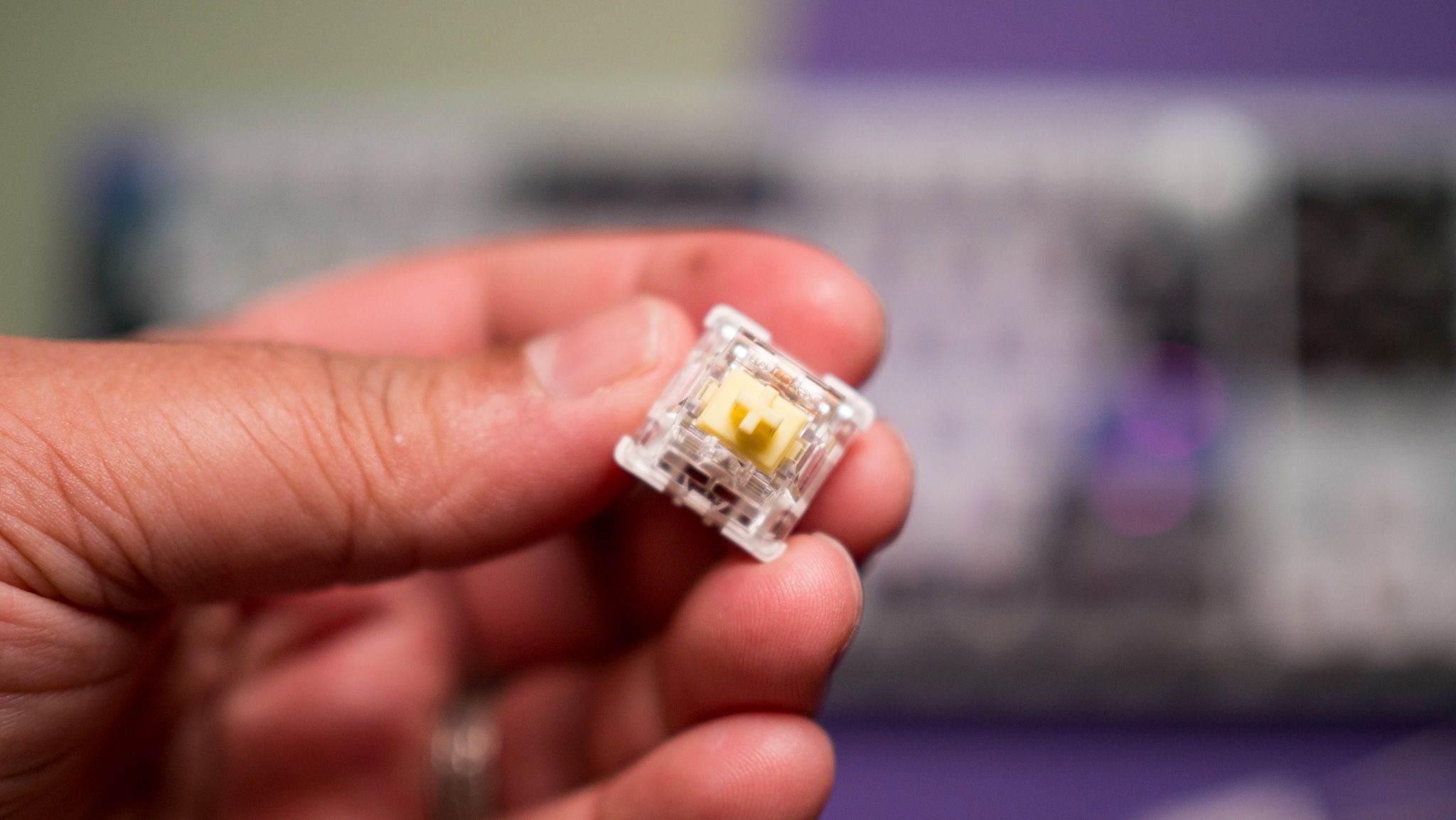
Cherry MX built the mechanical keyboard, but Hall Effect, optical, and Topre switches are changing the game — Here’s how to pick the right one
The mechanical keyboard market is undergoing significant transformation as Hall Effect and optical switch technologies move beyond enthusiast niche into mainstream adoption, particularly in gaming hardware. Traditionally dominated by Cherry MX switches, the peripheral landscape is rapidly diversifying with competing switch standards gaining traction for both gaming and office applications.
The shift reflects evolving consumer expectations around tactile feedback, acoustic profile, and actuation speed. Beyond performance characteristics, modern switch selection now requires evaluating pricing, durability, hot-swap compatibility, and keyboard layout—factors that have become increasingly complex as new technologies proliferate.
This fragmentation has created challenges for buyers navigating the 2026 keyboard market. What was once a straightforward decision for casual users has evolved into a technical purchasing decision requiring familiarity with different switch architectures and their tradeoffs. The expansion represents a maturation of the peripheral market, with manufacturers innovating across multiple competing standards rather than relying on Cherry MX’s historical dominance. As these technologies continue mainstream adoption, consumers must now actively research specifications rather than defaulting to established conventions.