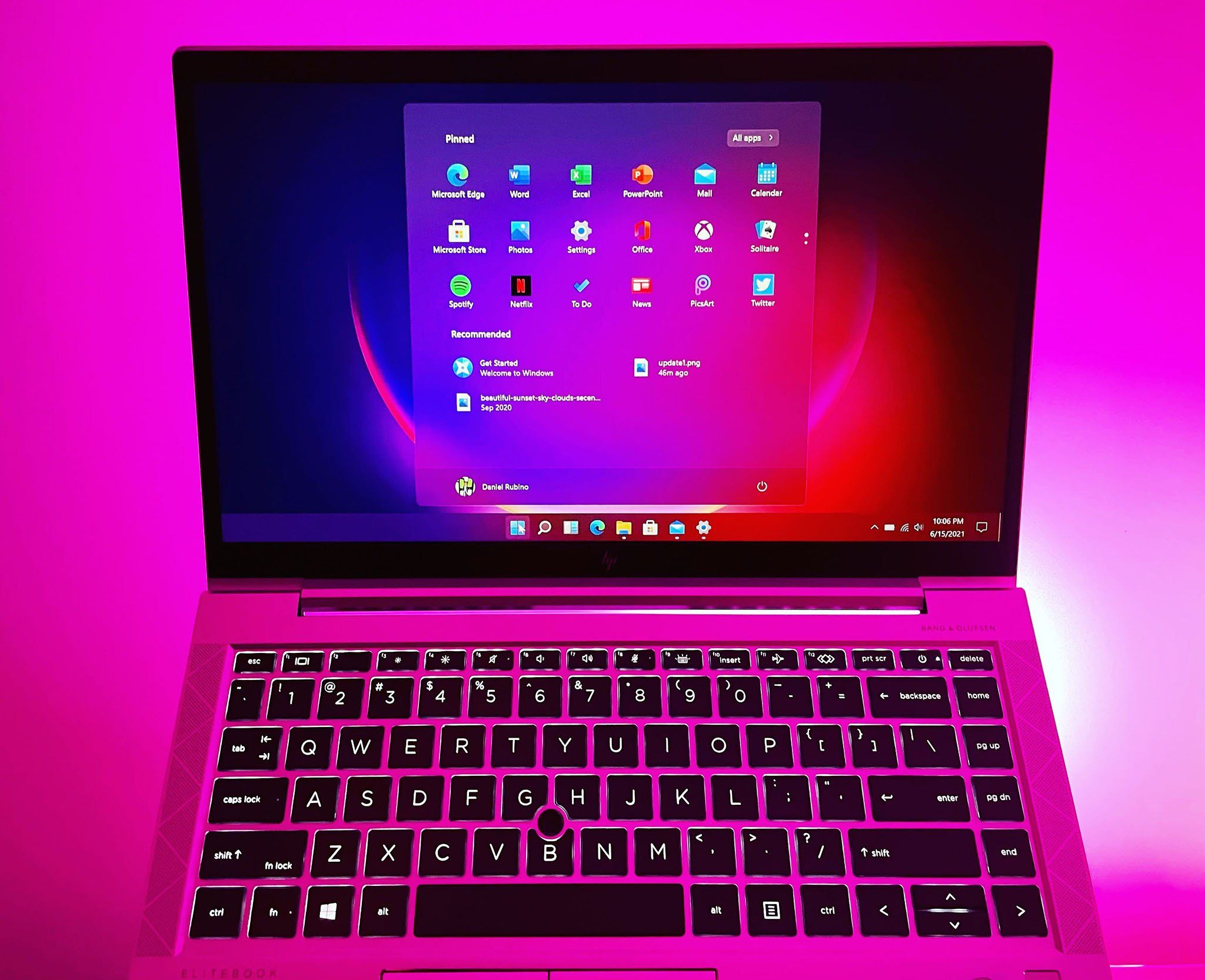
Windows 11’s upcoming overhaul adds a movable taskbar, redesigned Start menu, and faster performance — but should it just have been Windows 12?
Microsoft is preparing a major update for Windows 11 that addresses long-standing user complaints about the operating system. The update, entering final testing stages, introduces a movable taskbar, a redesigned and customizable Start menu, and performance improvements. Expected to roll out in September following August previews, the update represents one of the most significant refresh cycles for Windows in recent memory.
The improvements target some of Windows 11’s most criticized features since its launch. The redesigned taskbar reportedly offers greater flexibility for user customization, while the Start menu overhaul aims to improve navigation and usability. Beyond these headline features, Microsoft has emphasized performance enhancements across the board.
However, the update raises questions about modern operating system versioning. Windows Central’s analysis questions whether such comprehensive changes warrant a major version bump to Windows 12, rather than remaining a Windows 11 update. This reflects broader industry debate about what constitutes a new operating system in 2026, when underlying kernel and codebase remain largely unchanged between major version releases—a sharp contrast to historical OS transitions that fundamentally restructured computing architectures.
The update demonstrates Microsoft’s commitment to addressing user feedback while managing the complexity of maintaining Windows as a unified platform. Rather than forcing a full version transition, Microsoft is opting for a substantial iterative update, reflecting how modern OS development has shifted from discrete generational leaps to continuous refinement cycles.