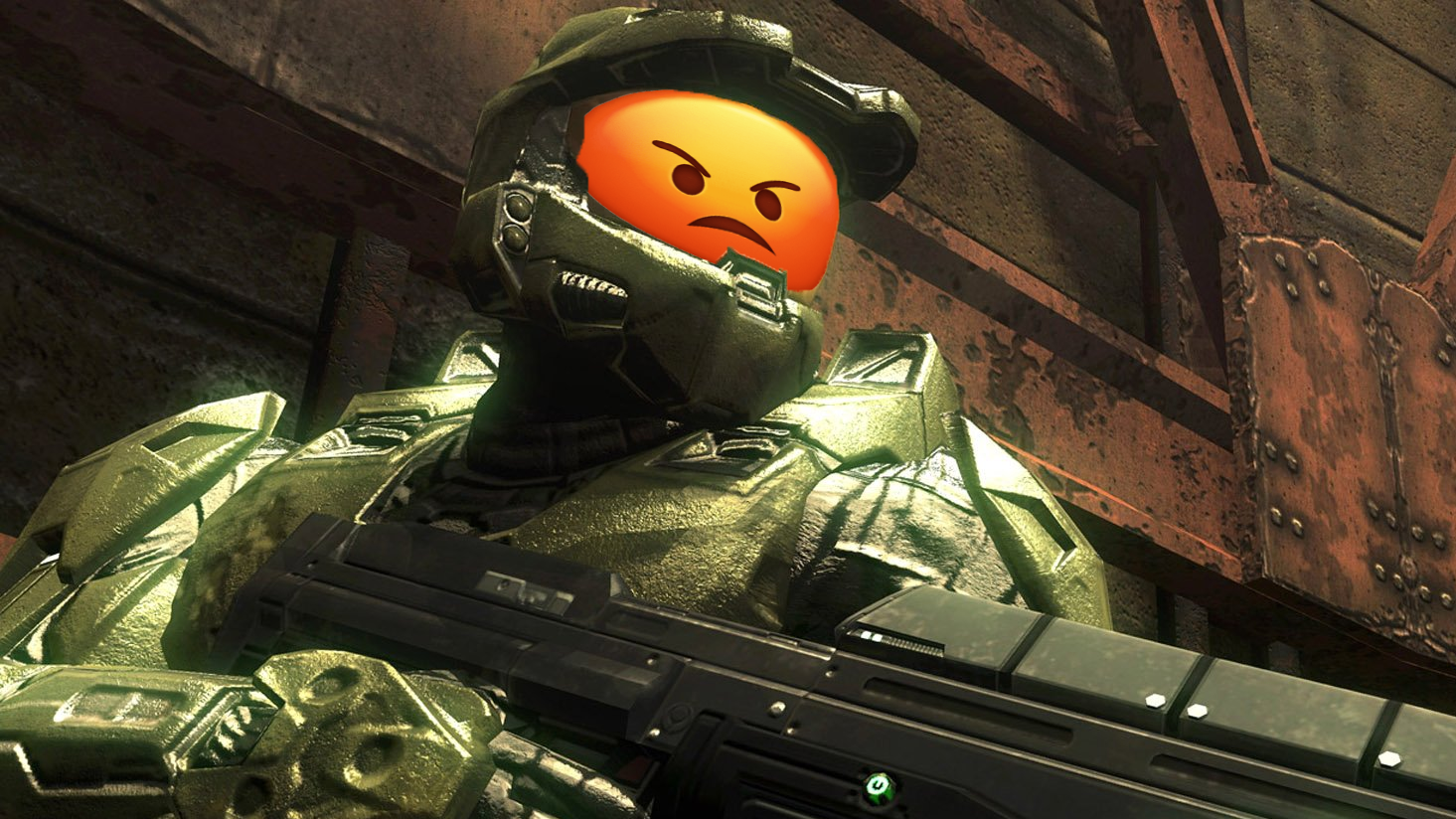
Is gaming discourse more negative than ever? — And if so, is it deserved? How did we get here?
Gaming discourse on social media has become notably more negative in recent weeks, raising questions about whether the trend reflects legitimate concerns or algorithmic amplification. Content creators and industry observers have noticed X (Twitter) increasingly surfacing critical and negative commentary about upcoming and recently released games.
The shift appears driven significantly by how social media algorithms prioritize engagement. Platforms like X and Instagram algorithmically curate content based on user interactions, creating self-reinforcing cycles where negative sentiment receives heightened visibility. Because these platforms process billions of posts across thousands of topics, algorithmic prioritization determines what individual users encounter. This means negativity around gaming can be amplified beyond its true prevalence in the broader community.
Specific upcoming releases, such as Wolverine for PS5, have become focal points for critical discourse. The article explores whether this concentrated negativity is deserved—whether it reflects genuine community frustration with recent releases and industry practices—or largely represents algorithmic mechanics that reward engagement through controversy.
The phenomenon raises broader questions about how social media shapes public perception of the gaming industry. With algorithms designed to maximize engagement, controversial or negative takes receive disproportionate visibility compared to neutral or positive sentiment. Understanding whether current gaming discourse represents an actual shift in community sentiment or primarily reflects algorithmic curation remains unclear.