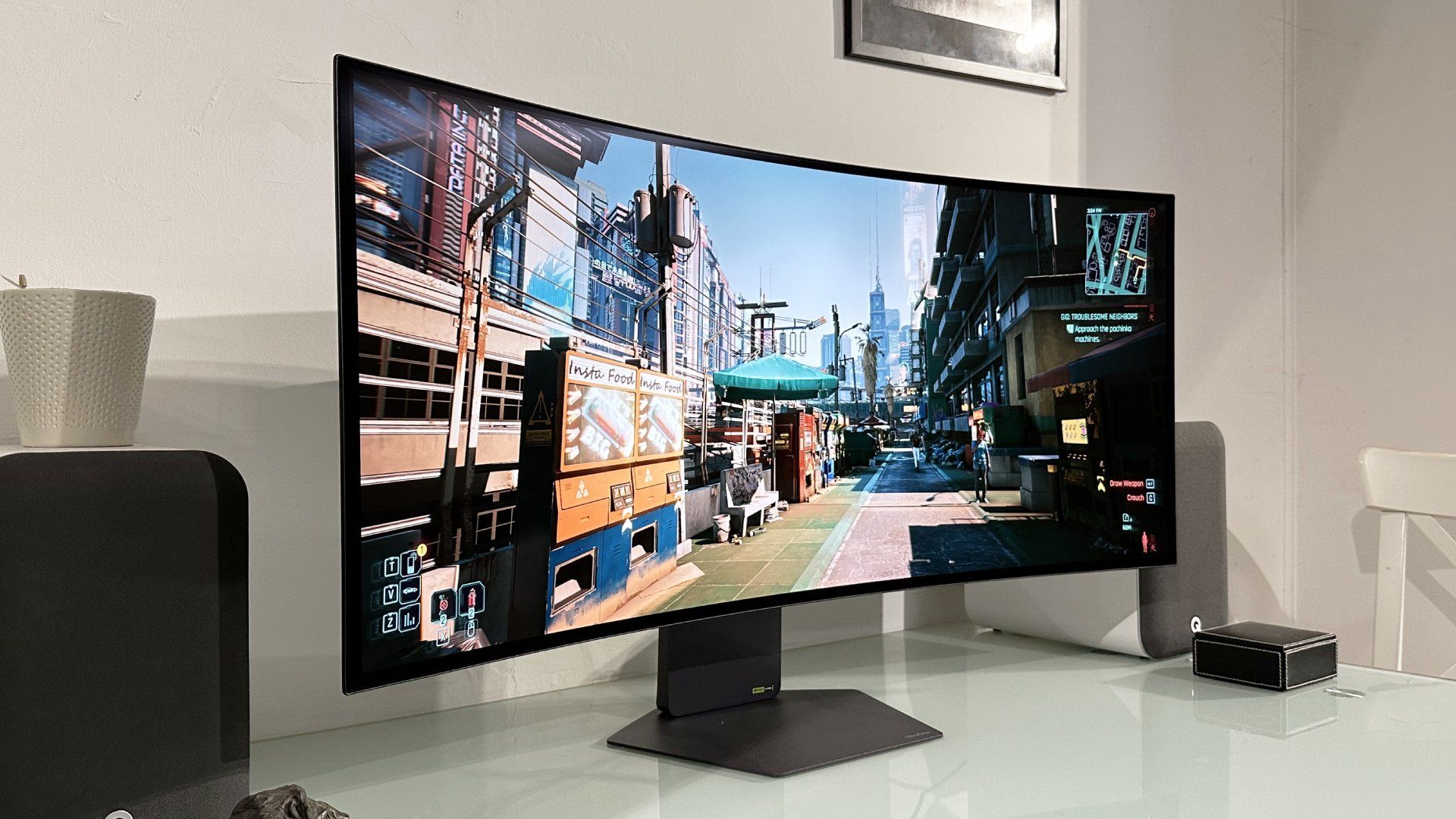
Tests show newer OLED TVs can still experience significant burn-in because they’re much brighter, proving that you can’t have your cake and eat it
Tests by RTings reveal that newer OLED TVs remain highly susceptible to burn-in despite industry improvements. Testing OLED models manufactured between 2020 and 2023 showed no substantial reduction in burn-in compared to a 2017 LG model, delivering disappointing news for consumers considering an upgrade for gaming.
The key factor is increased screen brightness in newer models. While brighter displays enhance picture quality and gaming performance, they paradoxically increase burn-in risk from static on-screen images. This represents a fundamental design trade-off manufacturers face: delivering the vibrant, high-contrast visuals consumers demand comes at the cost of greater burn-in susceptibility.
For gaming applications, where static UI elements often remain on-screen for extended periods, the findings emphasize the continued importance of mitigation strategies such as screen savers, pixel shifting, and periodically varying content. The research suggests that technological improvements addressing burn-in have been negated by the push for brighter displays, leaving consumers to choose between superior image quality and long-term display reliability.