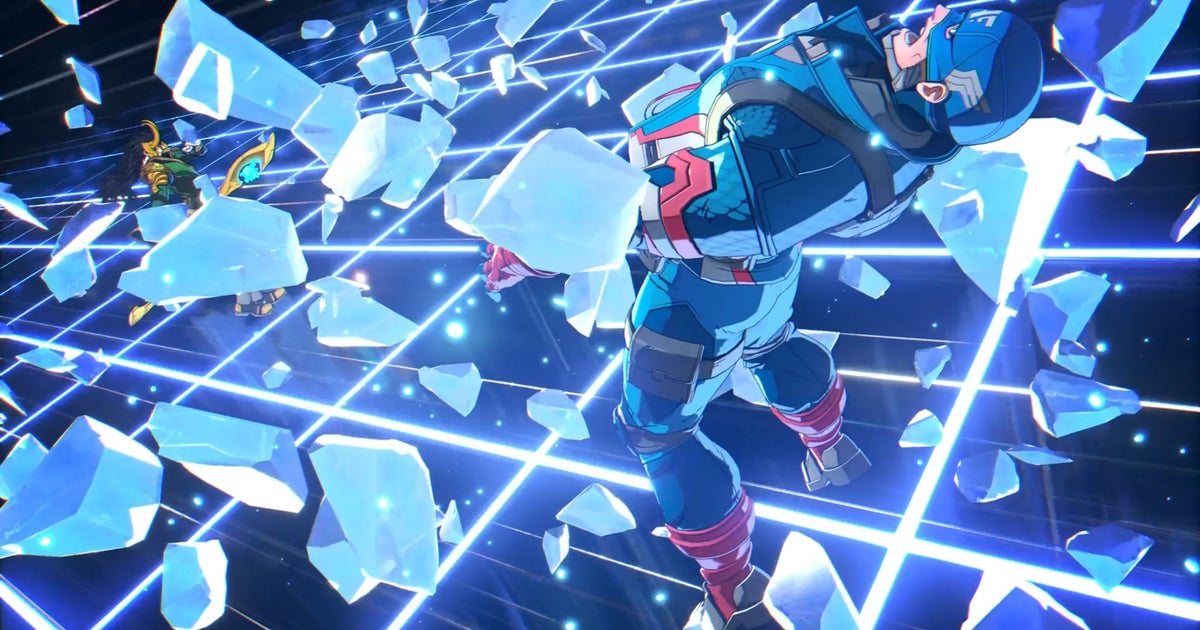
A cracked version of Marvel Tōkon is reigniting questions around DRM and its impact on PC games
Marvel Tōkon: Fighting Soul launched on PC this month to widespread performance criticism, including stuttering framerates and network issues. While a patch addressed some problems for certain players, performance concerns persisted for many. The console version launched without similar issues, prompting speculation about DRM as a contributing factor.
The situation intensified following reports that a cracked, DRM-free version of the game performs noticeably better than the official Steam release. This has reignited debate within the gaming community about Digital Rights Management and its practical impact on PC gaming performance and player experience.
The performance disparity highlights a fundamental tension in DRM implementation: anti-piracy measures intended to prevent unauthorized use may inadvertently compromise the experience for legitimate, paying customers. DRM systems can increase CPU usage and create optimization challenges as they run alongside the game to enforce licensing restrictions. When a DRM-free version runs more smoothly, it raises important questions about whether such protections are worth their performance cost.
This incident adds to growing industry concerns about DRM’s practical impact on game quality and longevity, while also touching on game preservation issues—DRM can complicate maintaining and playing older games in the future. The Marvel Tōkon situation exemplifies why some players and observers advocate for DRM-free distribution or alternative anti-piracy approaches that don’t compromise performance for authorized players.