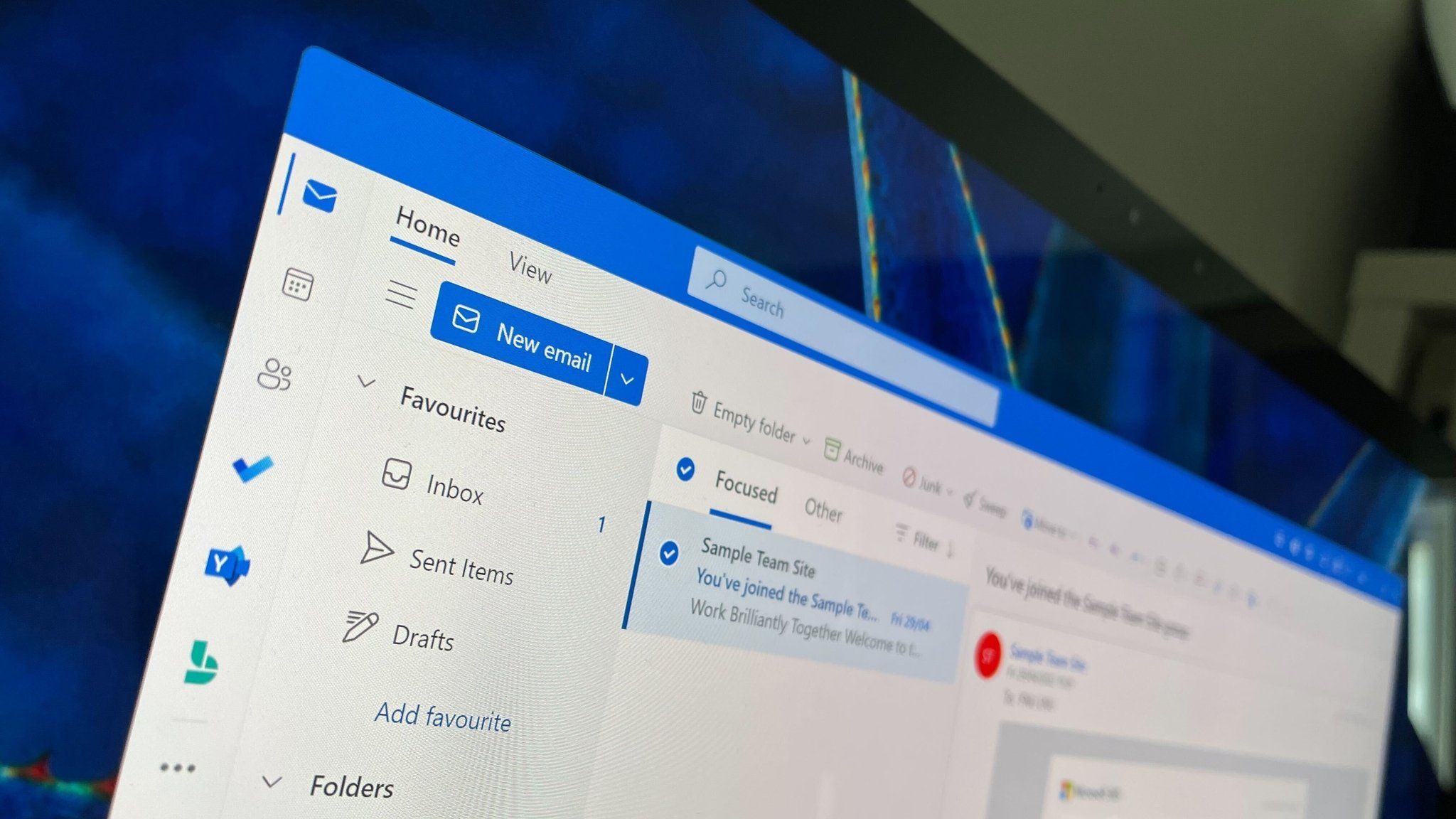
A faster OS and UI fixes won’t save Windows 11 if Microsoft’s apps remain laggy web wrappers
Microsoft continues refining Windows 11 through its Windows K2 initiative, recently testing new context menus with Windows Insiders and revamping the AutoPlay dialog. The improvements have been substantial enough that some question whether the next major release should be branded Windows 12 rather than a Windows 11 update.
However, the article argues that OS-level improvements alone cannot deliver a satisfactory user experience if Microsoft’s first-party applications remain slow and poorly optimized. The article specifically cites Microsoft Teams as an example of a laggy application that undermines the overall Windows experience, describing these apps as “web wrappers”—applications built using web technologies rather than native code—that perform poorly despite the underlying OS being fast and responsive.
The core argument is that even a beautifully designed and fast Windows 11 cannot provide user satisfaction if the applications users rely on daily are slow to load and sluggish to operate. Real improvement to the Windows platform requires not just fixing the operating system itself, but also developing faster, more efficient Microsoft applications that match the performance gains achieved at the OS level.