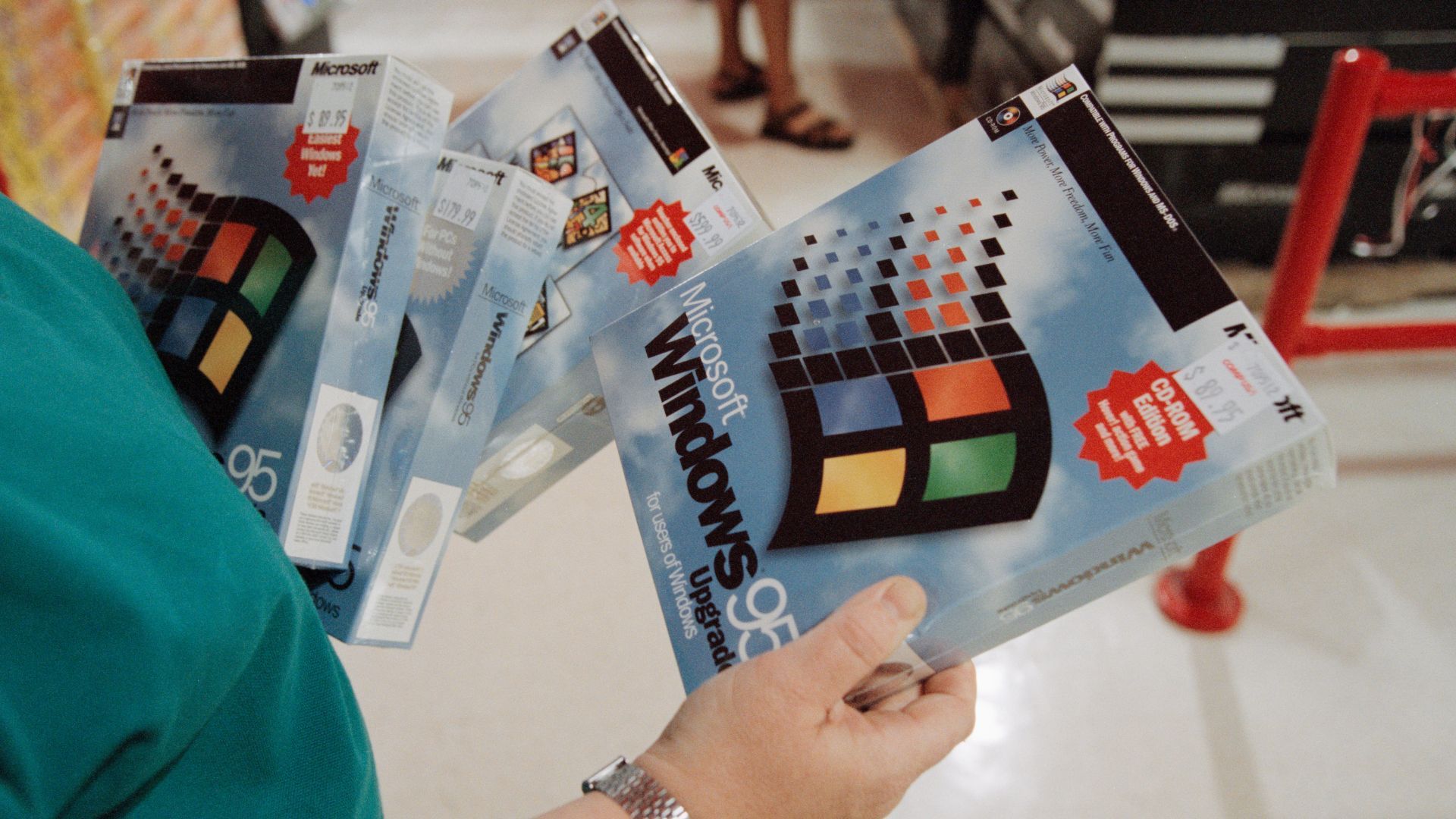
Microsoft had to change the anti-piracy hologram on the Windows 95 box because an undisclosed government assumed the baby on it was naked
Microsoft was forced to redesign one of the anti-piracy holograms featured on Windows 95 packaging after an unnamed government objected to the imagery, according to a blog post by Microsoft’s Raymond Chen.
The company originally used two different hologram designs on Windows 95 boxes as an anti-counterfeiting measure. Holograms were chosen for this purpose because they are extremely difficult and costly to replicate, providing strong assurance to buyers that their software was genuine. However, one of the designs featured a child without a shirt pointing toward a Microsoft monitor on a screen.
This imagery prompted complaints from a government entity, which deemed the depiction inappropriate. Rather than engage in a public dispute, Microsoft opted to change the hologram design entirely. In discussing the incident, Microsoft humorously noted that the complaining government “shall remain nameless for obvious reasons”—a lighthearted reference to the awkwardness of the situation.
The incident offers a quirky footnote to Windows 95’s history, illustrating how product design decisions—even those intended purely as anti-piracy measures—can face unexpected scrutiny from regulatory authorities. It also reflects the complexity of launching products globally, where imagery must account for varying cultural standards and sensitivities across different regions and governments.