Sony Argues Digital Game Ownership Is Not Plausible
Sony has filed a court response in a class action lawsuit arguing that digital game purchases cannot constitute ownership, but rather represent limited licenses. The lawsuit, filed in June on behalf of multiple PlayStation consumers, alleges that Sony failed to adequately disclose this distinction in compliance with California’s 2025 Digital Goods Law.
In its August 21 court filing, Sony’s legal team contends that consumers cannot “own” digital games from the PlayStation Store because multiple customers can purchase identical titles simultaneously. The company’s counsel states that the Software License Agreement clarifies “The Software is licensed to you, not sold,” arguing this arrangement is logical in the digital era.
Sony maintains that “reasonable consumers would not be misled” into believing they own games in their digital library, suggesting the distinction between ownership and licensing should be obvious. The company argues consumers understand the nature of digital transactions even without explicit disclosure.
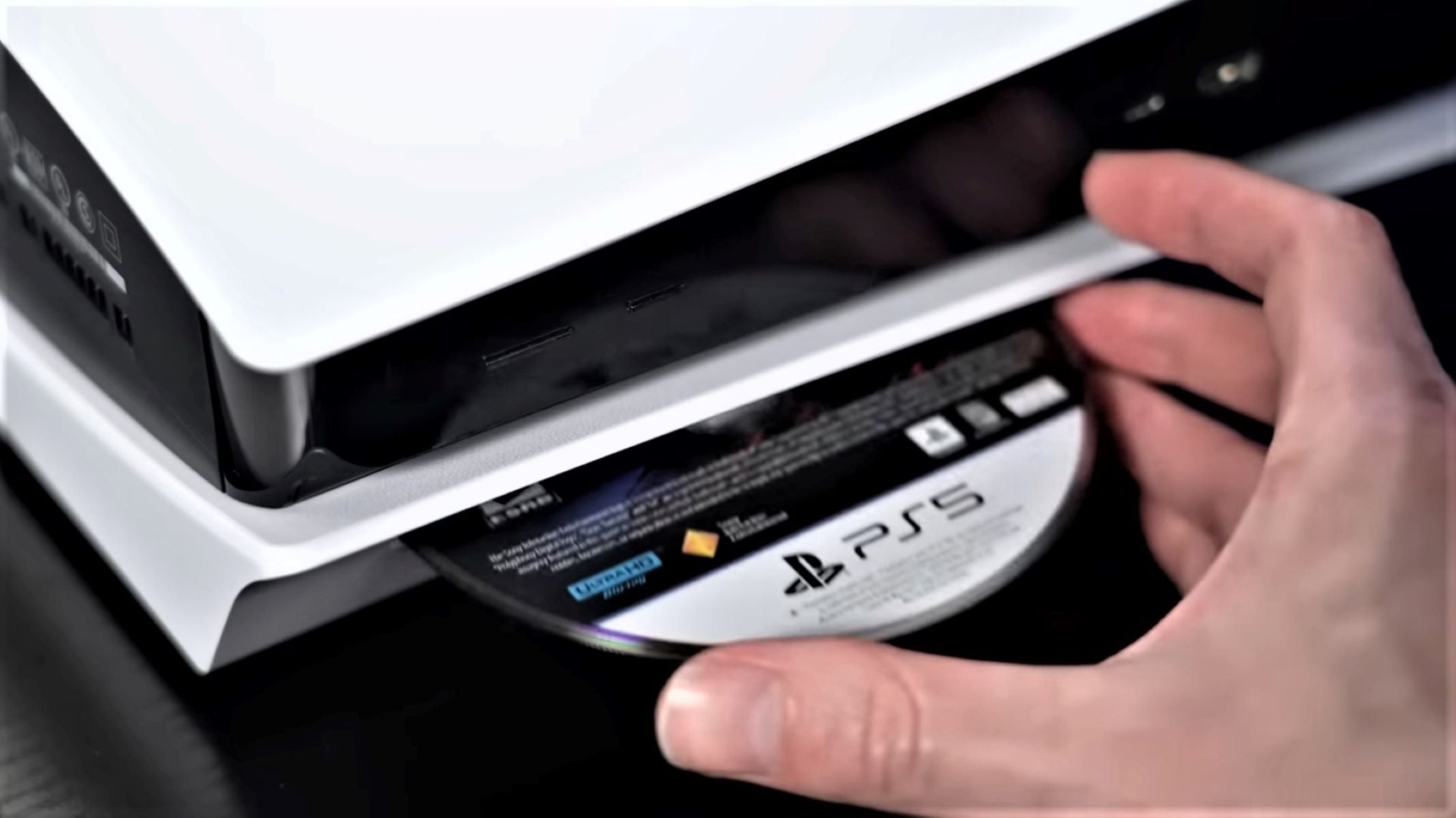
The timing carries significance given PlayStation’s strategic pivot toward an all-digital future, with Sony phasing out disc production. This legal position has broader implications for how digital storefronts communicate about product ownership rights.
Plaintiffs counter that typical consumer expectations involve ownership transfer upon purchase, and Sony should have clearly disclosed the limited-access nature of digital licenses. The case reflects growing tension between platform holders’ licensing practices and consumer protection laws ensuring transparency in digital goods sales.