First Xiaomi, then the world: why Arm might give phone gaming a huge graphics boost
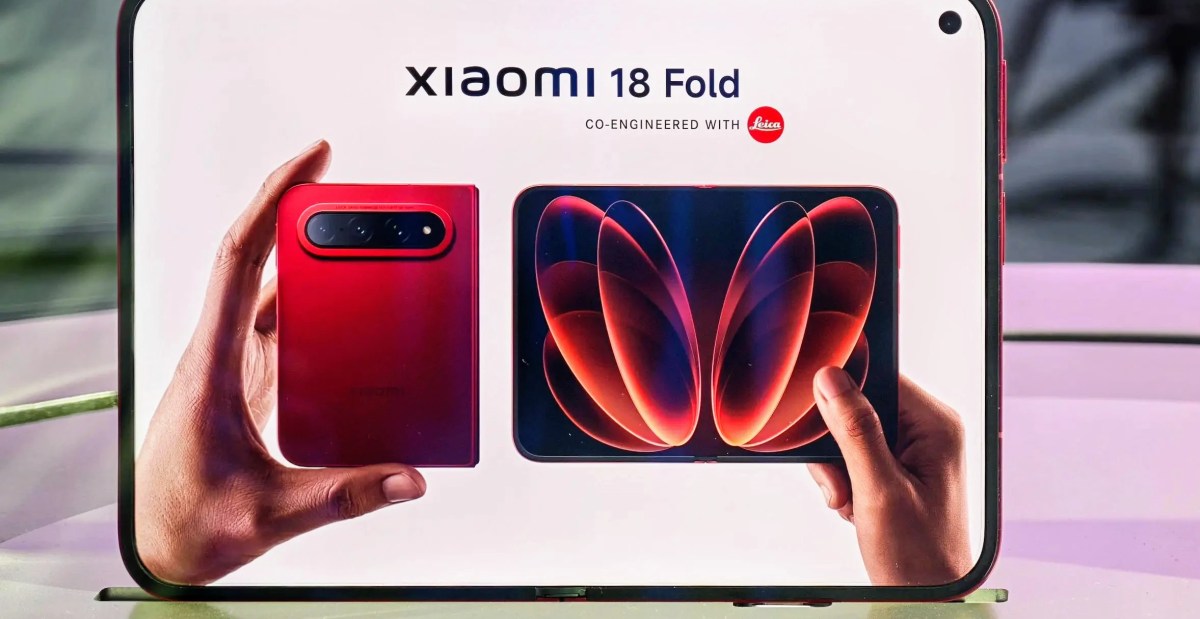
Arm has developed a new AI gaming graphics accelerator that will debut in Xiaomi’s foldable phone. The technology, integrated into the Mali G2-Ultra NX GPU within a custom Xring O3 chip, represents the culmination of five years of development. Rather than requiring more power, the accelerator enables mobile games to render at higher resolutions with advanced lighting techniques while maintaining the same power consumption as current games.
This advancement brings PC-like gaming technologies to mobile devices, following Nvidia’s precedent with DLSS (Deep Learning Super Sampling) on PC. Arm’s implementation for Android is described as imminent, suggesting wider rollout beyond Xiaomi’s initial exclusive launch in mainland China. The technology promises to enhance visual fidelity and performance in mobile gaming without the traditional trade-off of increased battery drain.
The Xiaomi 18 Fold serves as the first real-world implementation of this graphics acceleration technology. By launching first in China, Xiaomi gains an early advantage with enhanced gaming capabilities before the technology becomes more widely available across other Android devices. This development could meaningfully change how mobile games are developed and optimized, as developers will have access to GPU-accelerated AI upscaling and enhancement techniques previously limited to high-end PC gaming.