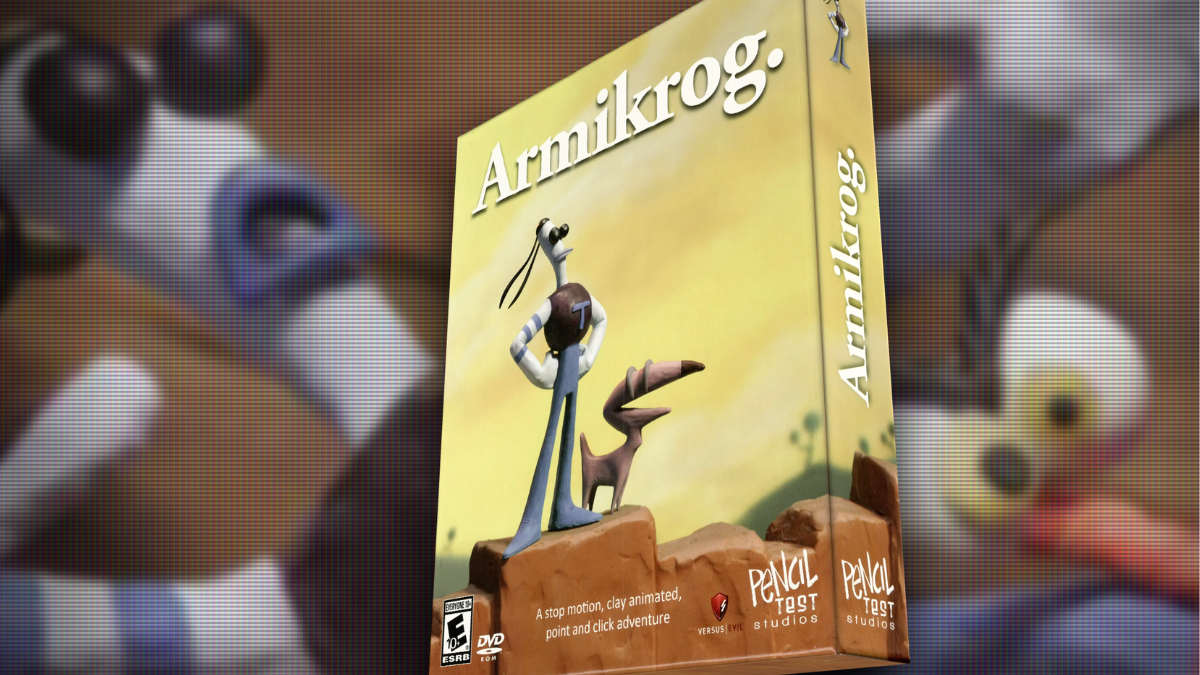
Corporations want to kill physical media because it suits them, but Big Box PC game packaging just got a second chance
Big box PC games—the lavishly packaged physical media from the 1990s—are experiencing a resurgence of interest. Originally sold in large cardboard boxes containing multiple floppy disks or CD-ROMs, these releases featured substantial glossy manuals and often included tangible extras like stickers or coasters. Beyond the software itself, big box games represented a collectible, owned form of gaming that contrasted sharply with today’s digital distribution model.
The renewed enthusiasm has been catalyzed by Sony’s recent announcement to discontinue physical PlayStation game releases, highlighting broader industry trends toward digital-only distribution. As major publishers move away from physical media to eliminate secondary markets and supply chain costs, this shift has prompted grassroots efforts to revive and create new big box PC game packaging. Enthusiasts have adopted DIY approaches to produce authentic big box releases, with some efforts gaining significant viral attention online.
The resurgence reflects both nostalgia for tangible gaming experiences and growing consumer concerns about game preservation in an increasingly digital landscape. As corporations eliminate physical media to maximize control and profits, the big box revival represents a practical and cultural response—maintaining ownership rights and permanence that digital licensing cannot guarantee. This grassroots movement demonstrates sustained consumer interest in alternatives to corporate-controlled digital distribution.