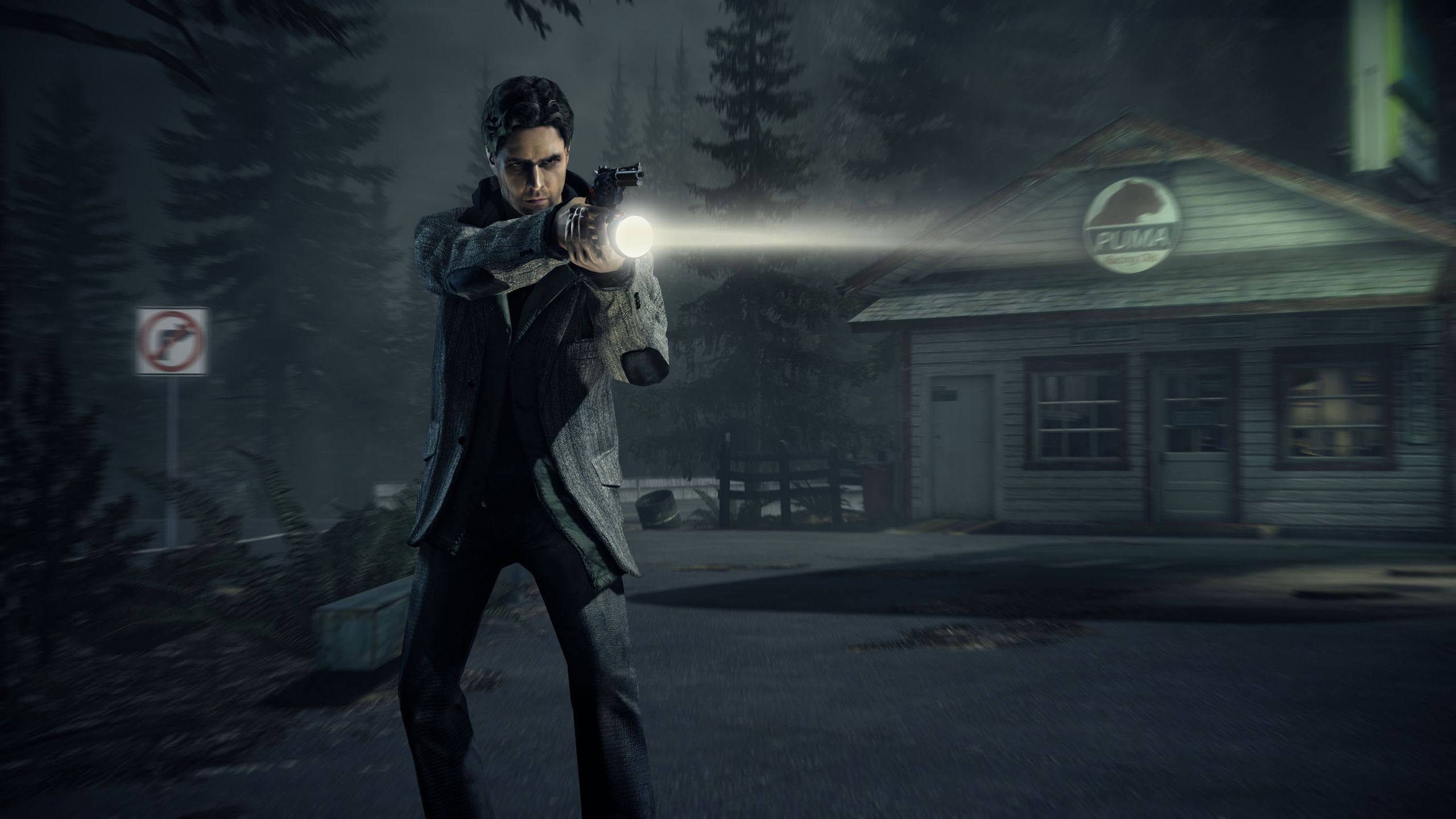
Thief designer thinks the graphics arms race should have ended with 2010’s Alan Wake: ‘The fidelity curve has become outrageous’
Randy Smith, designer of the Thief franchise and veteran developer of System Shock 2 and Dark Messiah: Might and Magic, has criticized the gaming industry’s ongoing graphics arms race. Smith argues that the pursuit of graphical fidelity has reached an excessive point and should have effectively concluded with Remedy’s 2010 title Alan Wake.
“The fidelity curve has become outrageous,” Smith stated. “It’s become a spectacle.”
Smith points to financial concerns as a primary issue, questioning the practical necessity for continued graphical advancement when the costs are so substantial. He specifically cited Alan Wake as achieving sufficient photoreal quality, recalling his impression of the game: “OK, this is relatively photoreal. I know 100% that I’m on a ferry.”
The designer’s commentary reflects growing industry conversation about the sustainability of the graphics arms race and the diminishing returns of ever-increasing visual fidelity investments. As development budgets continue to climb to support cutting-edge graphics technology, concerns mount about the impact on game development costs and resource allocation.
Smith’s critique suggests that a plateau in graphical expectations might be healthier for the industry, allowing developers to focus resources on gameplay innovation and sustainable development practices rather than perpetual visual advancement.