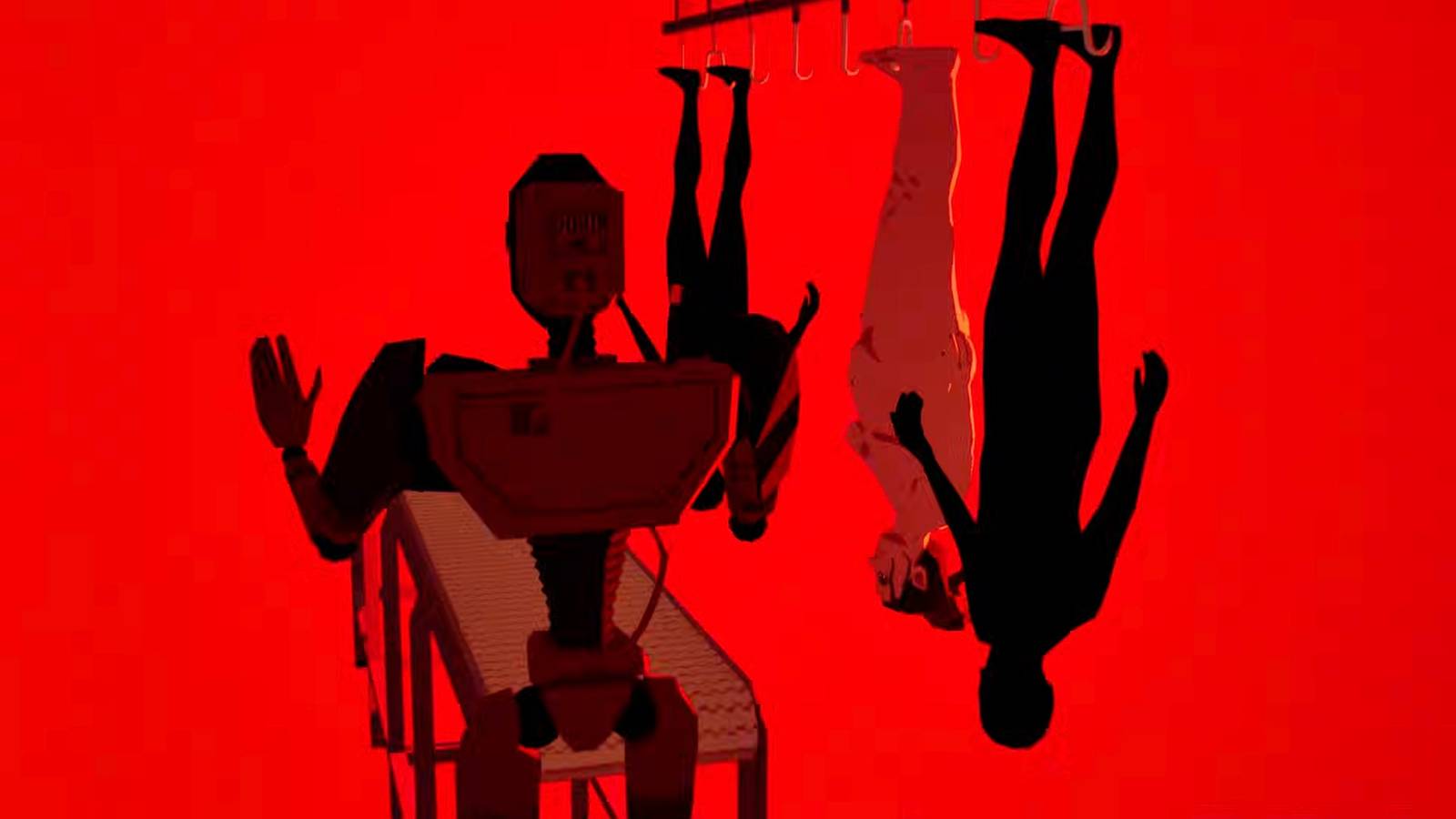
Virtue and a Sledgehammer hits different. We asked a neuroscientist to explain why.
Virtue and a Sledgehammer, an upcoming narrative adventure game from developers Deconstructeam and Selkie Harbor and published by Devolver Digital, follows Pratelle, a woman on a mission to destroy what remains of her hometown in rural Spain. Armed with what she describes as “20 pounds of physical media,” Pratelle journeys through the ruins of her childhood, encountering the remnants of former neighbors whose memories have been uploaded—a premise that blurs the line between physical and digital destruction.
The game’s unique premise has attracted attention beyond typical gaming coverage, with Polygon exploring the psychological and neurological appeal of the destructive gameplay fantasy by interviewing a neuroscientist. The article frames the experience through the lens of real-world catharsis, as demonstrated when the reporter visited a rage room on Manhattan’s Lower East Side to live out the Sledgehammer fantasy of unbridled destruction within a safe, controlled environment.
The game appears to combine environmental storytelling with the therapeutic appeal of physical destruction, creating a narrative experience centered on processing trauma and loss through the act of tearing down familiar spaces. This approach suggests a thematic focus on how we confront and dispose of our pasts—both literally and psychologically—through the metaphor of demolition.