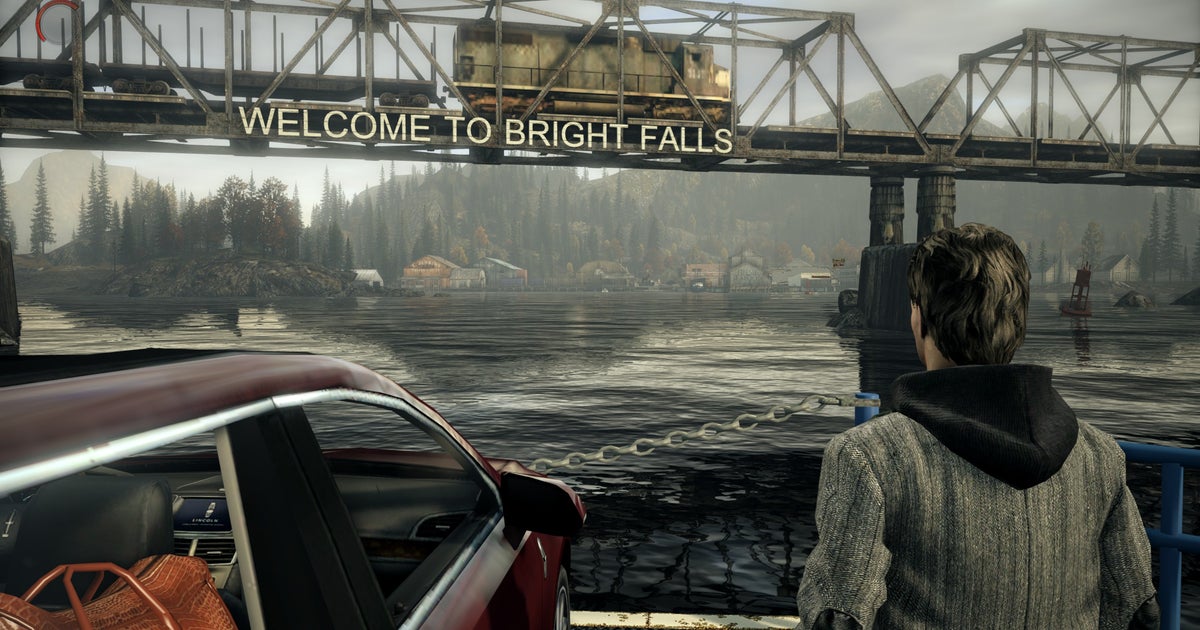
“Why do we need more graphics?”: 2010’s Alan Wake was as photoreal as videogames ever needed to be, reckons original Thief designer
Randy Smith, the legendary designer of the original Thief and former Ion Storm game director, has taken a contrarian stance on video game graphics advancement, arguing that visual fidelity reached its necessary peak with Remedy’s 2010 release of Alan Wake. Smith contends that all graphical improvements since then represent unnecessary indulgence rather than meaningful progress, characterizing further development as mere “gravy” beyond what gaming requires.
His position challenges the industry’s persistent drive toward increasingly photorealistic graphics. Smith’s argument implies that the substantial resources dedicated to graphics technology, processing power, and development time over the past 16 years might be better invested in gameplay, design, and narrative innovation. The perspective raises questions about whether consumers actually benefit from the continuous graphical escalation that has defined modern game development.
The viewpoint is intentionally provocative within an industry predicated on visual innovation. While some developers and players argue that technologies like ray tracing and AI-assisted rendering have materially enhanced the player experience, Smith’s commentary reflects an emerging philosophical debate about whether graphics should remain gaming’s primary development focus. The publication humorously dismisses his claim, counter-arguing that graphics actually peaked even earlier on the PlayStation 1.