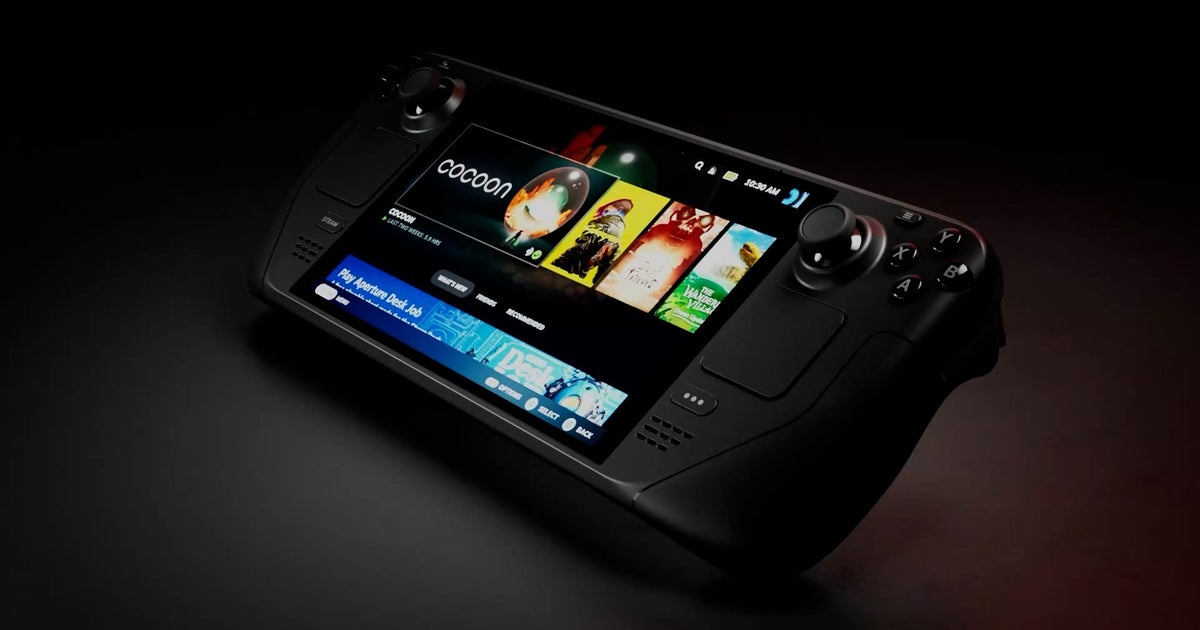
Steam Deck 2 plans aren’t affected by ongoing component crisis, Valve maintains, as Steam Frame arrives later and more expensive than expected
Valve has confirmed that its plans for the Steam Deck 2 have not been significantly impacted by the ongoing global component and memory supply crisis, despite higher costs affecting other recent hardware releases.
In an interview with IGN, Valve software developer Pierre-Loup Griffais stated that the company’s approach to the next-generation handheld remains unchanged. When asked about the RAM crisis and its potential effects on Steam Deck 2 development, Griffais responded that it has “not really” affected their plans, emphasizing that Valve continues to prioritize a “very delineated performance improvement” for any future handheld device.
This statement comes as Valve has released several hardware products in 2026, including a new Steam Controller, Steam Machine PC, and the Steam Frame VR headset. Unlike the Steam Deck 2, both the Steam Machine and Steam Frame have faced clear supply chain impacts, resulting in delayed launches and higher-than-expected prices. The Steam Frame VR headset was priced at £889 ($1,059) when pre-orders opened, arriving significantly later and more expensive than originally planned.
The company’s approach to the Steam Deck 2 reflects its long-term development strategy, with the device having been in development since the original Steam Deck’s 2022 launch. Valve’s commitment to ensuring meaningful performance gains suggests the company is willing to wait for the right technological conditions rather than rushing a successor to market. The emphasis on “delineated performance improvement” indicates Valve wants any Steam Deck 2 to represent a substantial generational leap rather than an incremental upgrade.
Sources
- Steam Deck 2 plans aren’t affected by ongoing component crisis, Valve maintains, as Steam Frame arrives later and more expensive than expected
- The Steam Deck 2 has ’not really’ been impacted by the memory supply crisis, with Valve still focused on a ‘very delineated performance improvement’ for its next handheld
- Steam Deck 2 plans still on track despite RAM crisis and higher prices
- Steam Deck 2 handheld plans haven’t been affected by the RAM crisis, even if Valve’s Steam Machine PC and Steam Frame VR were more expensive than planned.