‘Resident Evil’ Ending Explained: How Zach Cregger Quietly Sets Up a Sequel
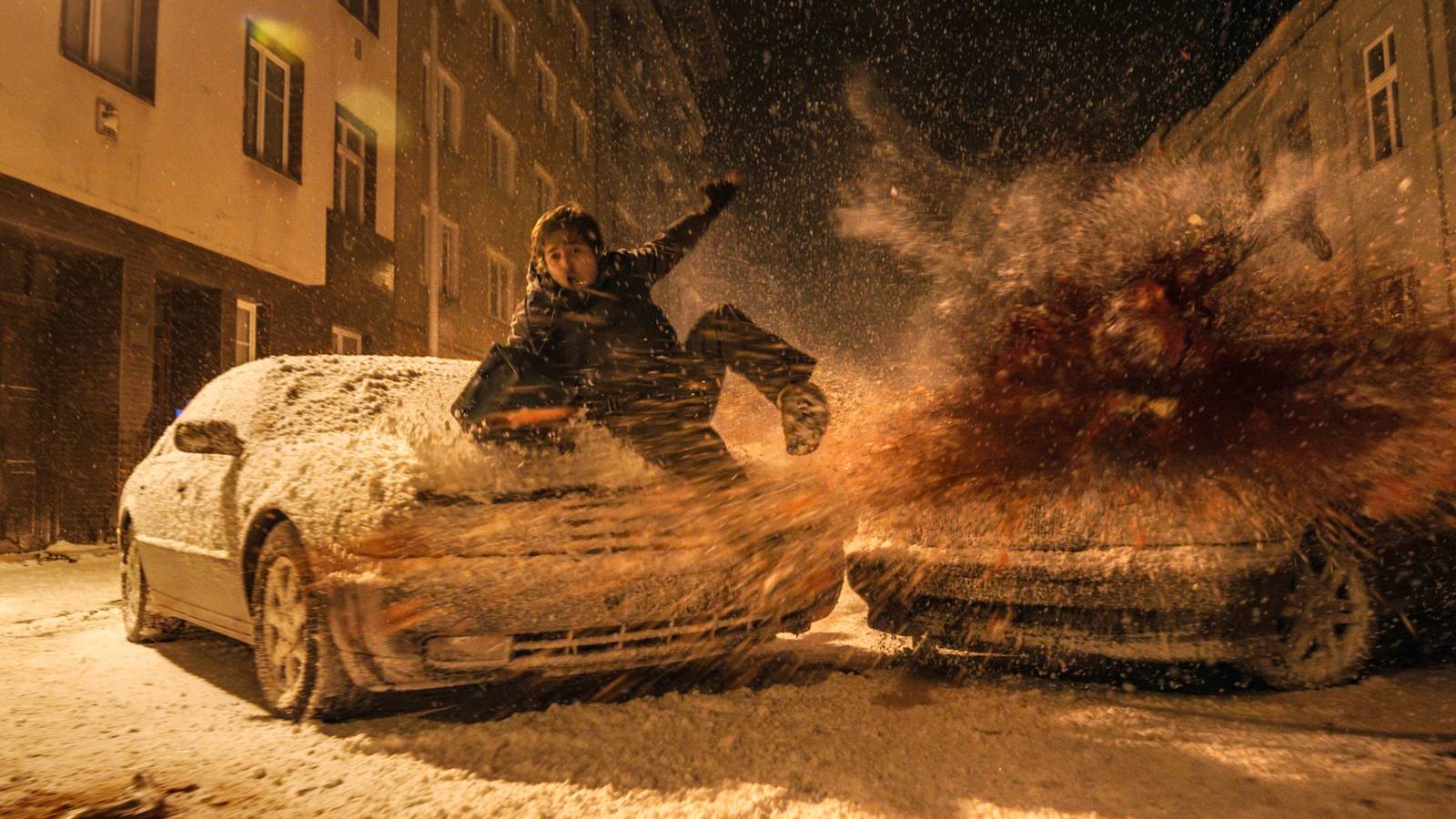
Director Zach Cregger’s Resident Evil film concludes with what critics describe as one of the best video game movie endings ever crafted. After delivering a frenetic pace for much of its runtime, the film intentionally slows for a climactic ending that arrives at the expected endpoint for a Resident Evil narrative. The conclusion features the franchise’s signature grotesque imagery—skin-dripping zombies, body mutations, and abundant gore—creating a suitably visceral finale.
Despite functioning as a story parallel to the existing Resident Evil games, the film’s ending specifically connects to the broader franchise mythology. Rather than simply wrapping up its plot threads, the conclusion introduces surprising mysteries and unresolved elements that appear deliberately designed to set up either a sequel film or connections to future game entries. The ending is described as literally explosive, suggesting significant narrative consequences and world-building implications. These lingering mysteries suggest Cregger structured the conclusion to expand the Resident Evil universe rather than provide complete narrative closure, positioning the franchise for continuation.