Dreamwork’s Near-Perfect Fantasy Adventure Flips a Classic Movie Trope On Its Head
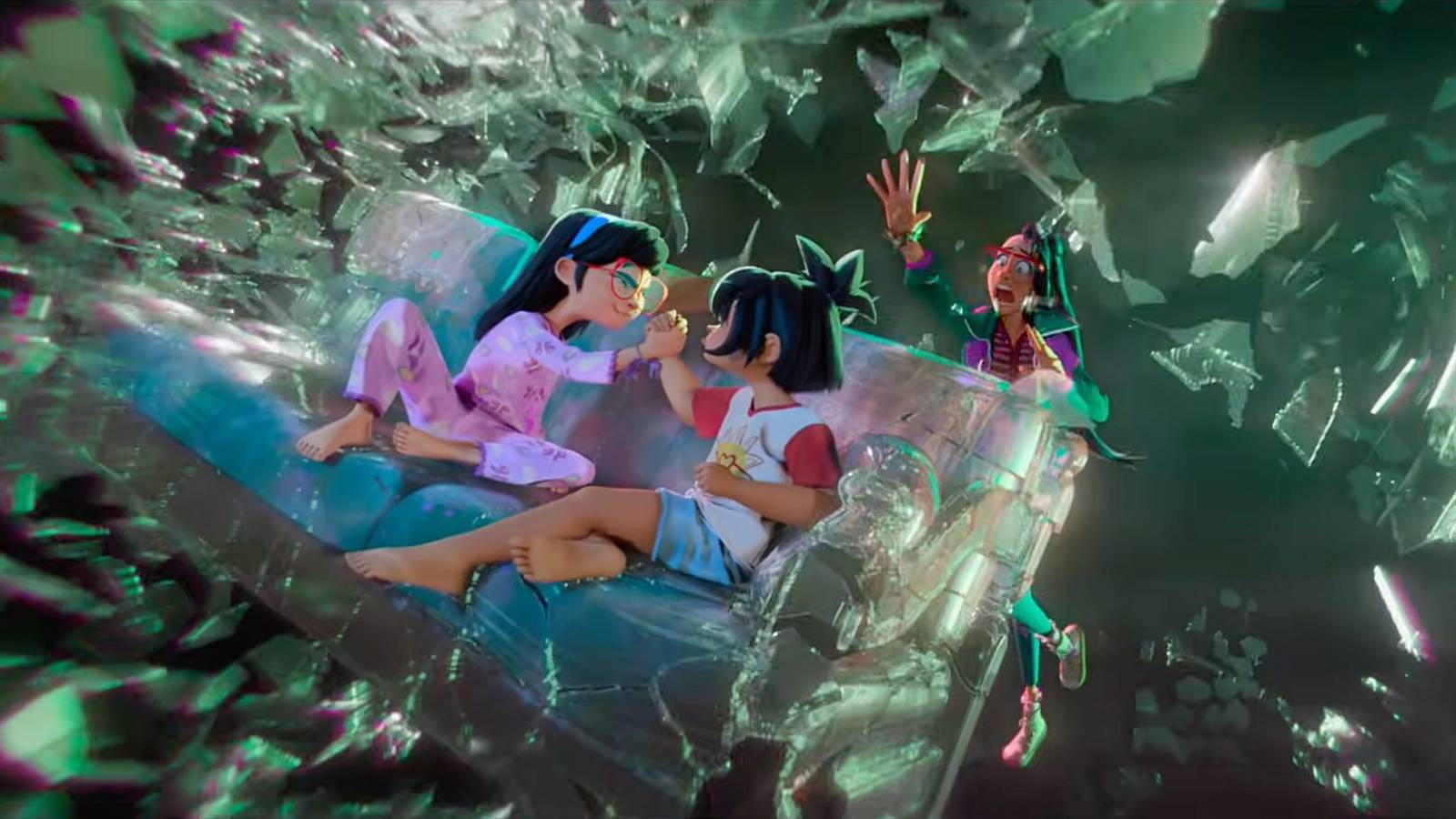
DreamWorks’ Forgotten Island, directed by Joel Crawford and Januel P. Mercado, is a fantasy adventure that subverts familiar coming-of-age narratives. While the core story follows a well-worn path—two lifelong best friends navigate the emotional crossroads of high school graduation, reconcile past conflicts, and reaffirm their bond—the execution delivers unexpected complexity.
The game’s originality stems from its ambitious narrative layering. Directors weave Filipino folklore into the story structure, creating a unique cultural lens often absent from mainstream gaming narratives. The chronological narrative is deliberately fragmented, challenging player expectations about how the story unfolds. Visual and narrative references to anime add another layer of cultural texture, creating a densely packed experience that rewards attentive players.
Though the broad strokes of the story echo familiar films like The Perks of Being a Wallflower, Booksmart, and Superbad—all exploring friendship dynamics around major life transitions—Forgotten Island distinguishes itself through its distinctive storytelling approach and visual style. The game manages to honor genre conventions while simultaneously critiquing and reimagining them, suggesting that DreamWorks’ foray into interactive narrative gaming prioritizes creative ambition over formulaic design.