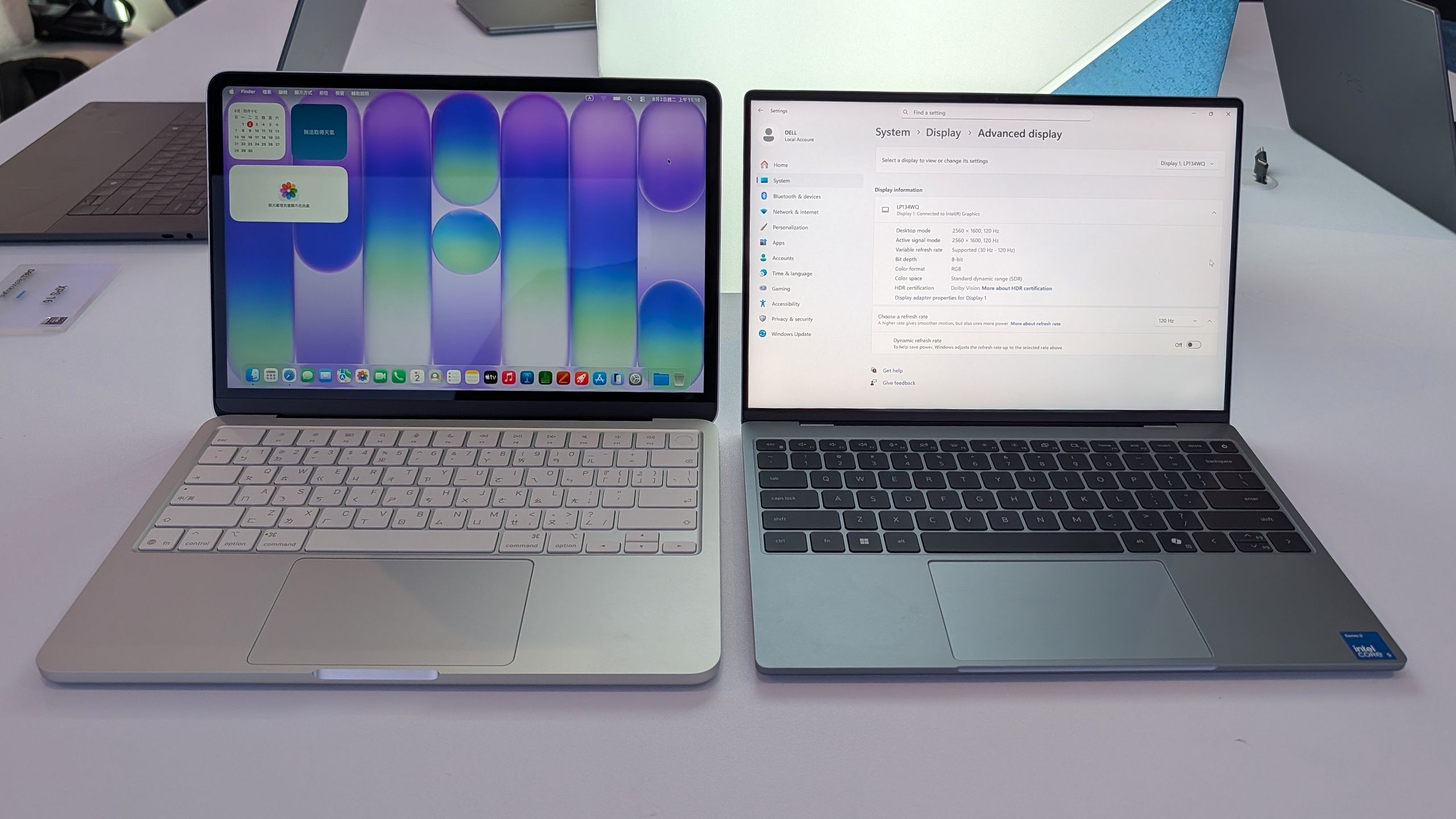
Microsoft explains why we haven’t seen a Surface-branded MacBook Neo competitor yet
At the Snapdragon Summit, Microsoft Surface Chief Vice President Brett Ostrum addressed the absence of a Surface-branded competitor to Apple’s recently launched MacBook Neo. When asked about Microsoft’s intentions in this space, Ostrum clarified that Microsoft has intentionally stayed out of the gaming PC market, despite having known about Apple’s Neo launch in advance.
Ostrum’s reasoning centers on market dynamics and competitive positioning. Microsoft believes that original equipment manufacturers (OEMs) already serve the consumer and gaming laptop segments effectively, meeting customer needs without requiring Microsoft’s direct participation. Rather than viewing Apple’s MacBook Neo as a threat demanding an immediate Surface response, Microsoft appears confident in its strategy of allowing partners to lead in this category.
The MacBook Neo, positioned as an affordable entry point to the MacBook line at $599, represents Apple’s aggressive move into the budget laptop segment. However, Microsoft’s approach differs fundamentally—the company prefers to maintain Surface as a premium brand focused on specific market segments where it can deliver unique value, rather than competing across all price points and use cases.
This strategic decision reflects Microsoft’s broader approach to hardware: leveraging OEM partnerships to cover broad market segments while using Surface devices to showcase Windows capabilities and innovate in form factors and premium positioning. By declining to compete directly with the MacBook Neo, Microsoft is essentially ceding the budget segment while maintaining focus on higher-margin opportunities where Surface can differentiate.