Control Resonant’s Completely Ignores The Most Interesting Character
Control Resonant, the sequel to Remedy Entertainment’s 2019 action game Control, is drawing criticism for sidelining one of the original game’s most compelling elements: the Oldest House. According to a review from Polygon, while the sequel establishes its own identity by expanding the scope beyond the original’s setting, this shift comes at a creative cost.
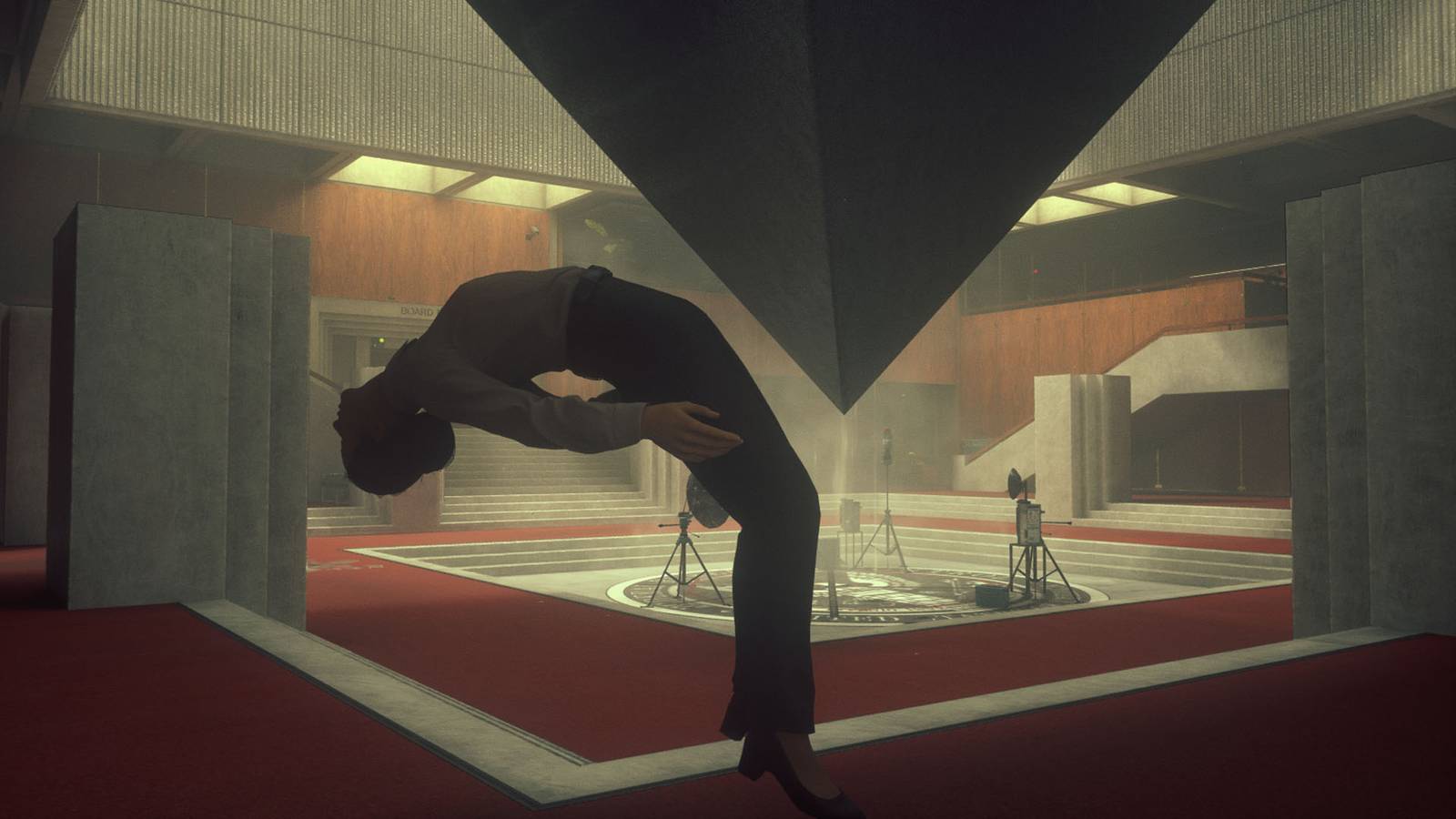
In the original Control, the Oldest House served as both physical location and narrative character—a “place of power” warped by paranormal forces that contributed significantly to the game’s unsettling atmosphere. Control Resonant moves beyond this setting, following protagonist Dylan Faden as he navigates a transformed Manhattan facing dual threats from the returning Hiss entity and a new paranormal force. The game picks up after the lockdown at the Oldest House has ended.
The critic acknowledges that the sequel’s broader ambitions are reasonable, but argues that Remedy Entertainment made a significant narrative misstep by reducing the Oldest House to secondary status. Rather than functioning as a sentient, characterful space that defined the first game’s horror experience, the Oldest House becomes peripheral as the action shifts outward. This approach prioritizes geographical expansion over the intimate, enclosed tension that made the original Control distinctly unsettling. The decision represents a trade-off between franchise expansion and the loss of a worldbuilding element that was fundamental to what made Control’s narrative compelling.