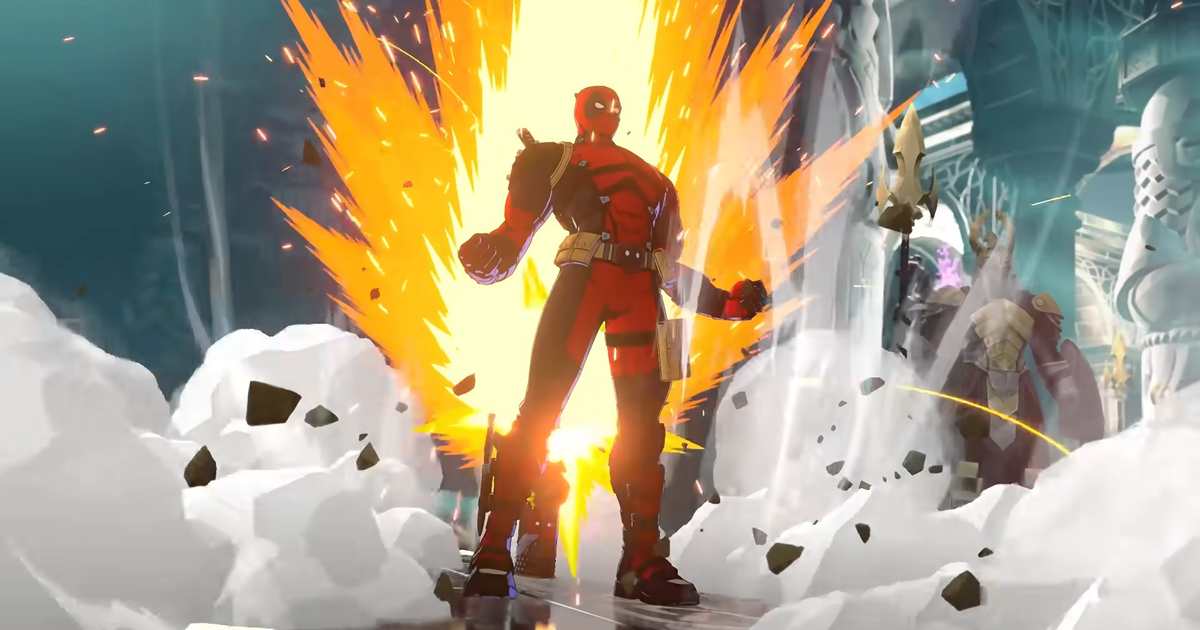
The importance of being earnest: How Marvel Tōkon’s Deadpool trades ridicule for fighting game reverence
Deadpool stands apart from other Marvel characters due to his unique psychological profile and supernatural healing factor. Unlike Wolverine, who shares similar combat abilities and regenerative powers, Deadpool possesses meta-awareness of his existence within fictional media—comics, films, and games. This awareness manifests as constant fourth-wall-breaking quips and references to both his fictional universe and the real world. Whether this meta-consciousness represents genuine narrative insight or merely the ramblings of a disturbed mind remains deliberately ambiguous, depending on the writer’s interpretation.
Marvel Tōkon’s Deadpool appears to navigate this characterization carefully. Rather than relying solely on meta-humor and ridicule, the game demonstrates reverence for fighting game culture and the competitive FGC (Fighting Game Community). The article suggests that by trading cheap comedic references for authentic respect toward the genre, Deadpool’s character gains depth. His self-referential nature becomes a vehicle for honoring fighting game conventions and celebrating the community itself, positioning the character within a broader appreciation for competitive fighting games rather than using him merely as comedic fodder.