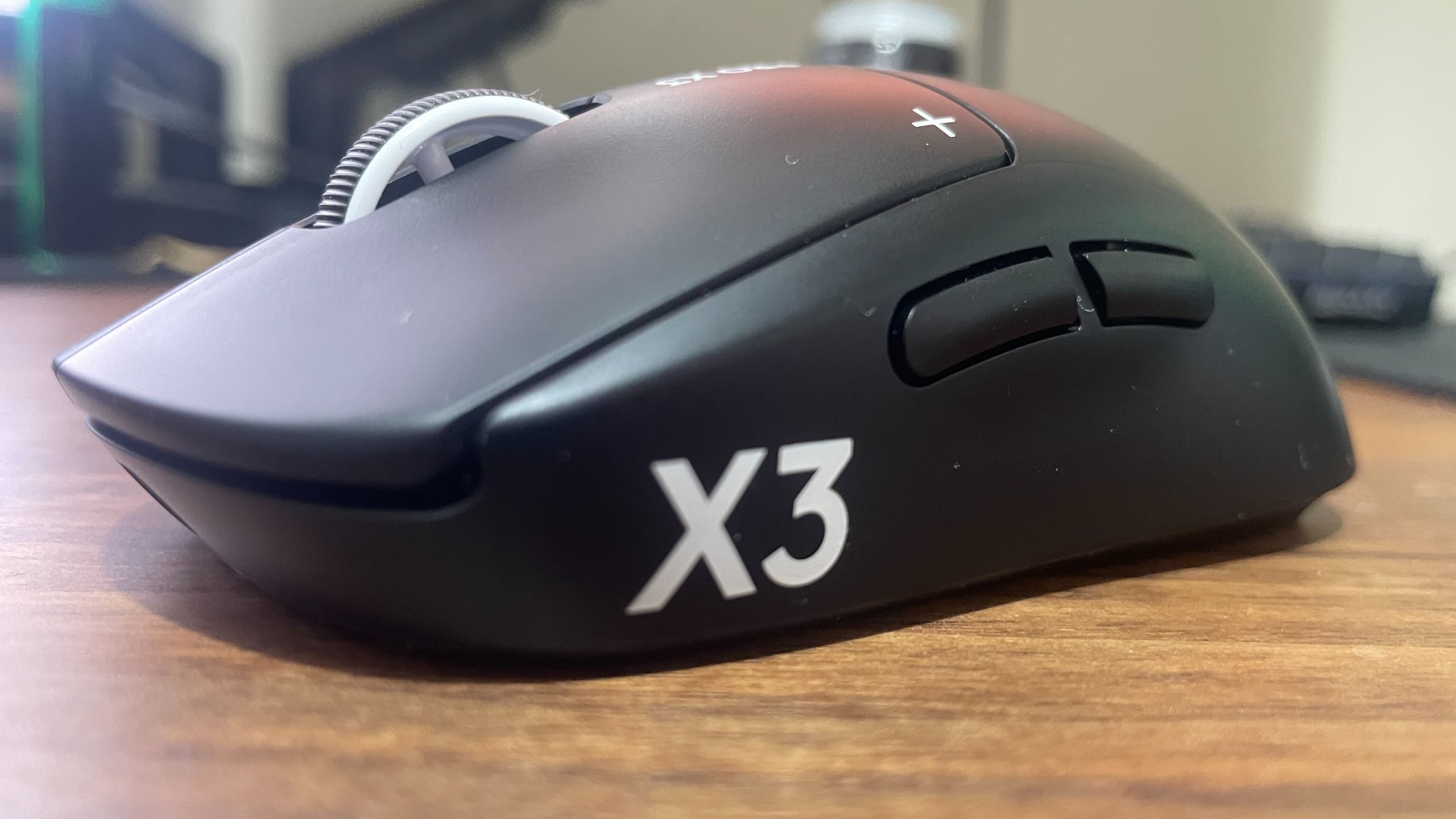
I spent an unreasonable amount of time testing whether Logitech’s Superstrike analogue clicks actually make me react quicker
Logitech’s G Pro X3 Superstrike mouse features analogue switches that reduce the distance needed to register a click, promising lower latency for competitive gamers. Unlike traditional optical click mechanisms, the analogue switches allow for variable activation, potentially shaving milliseconds off reaction times—crucial for esports titles like Counter-Strike.
PC Gamer investigated whether these technical improvements translate to real-world performance gains. The author had previously used the X2 Superstrike model in competitive Counter-Strike play and noticed a perceived improvement in reaction speed, but remained uncertain whether the advantage was genuine or merely psychological. To settle the question definitively, they conducted rigorous testing using Human Benchmark’s reaction time tests, comparing the optical click mechanism against the analogue Superstrike technology.
The testing aimed to quantify the actual latency reduction that analogue switches provide versus traditional optical buttons. Since competitive gaming often hinges on millisecond-level advantages, even small performance improvements can significantly impact outcomes. The article evaluates Logitech’s marketing claims against measured data to determine whether the Superstrike technology delivers meaningful benefits for esports and casual gamers alike.