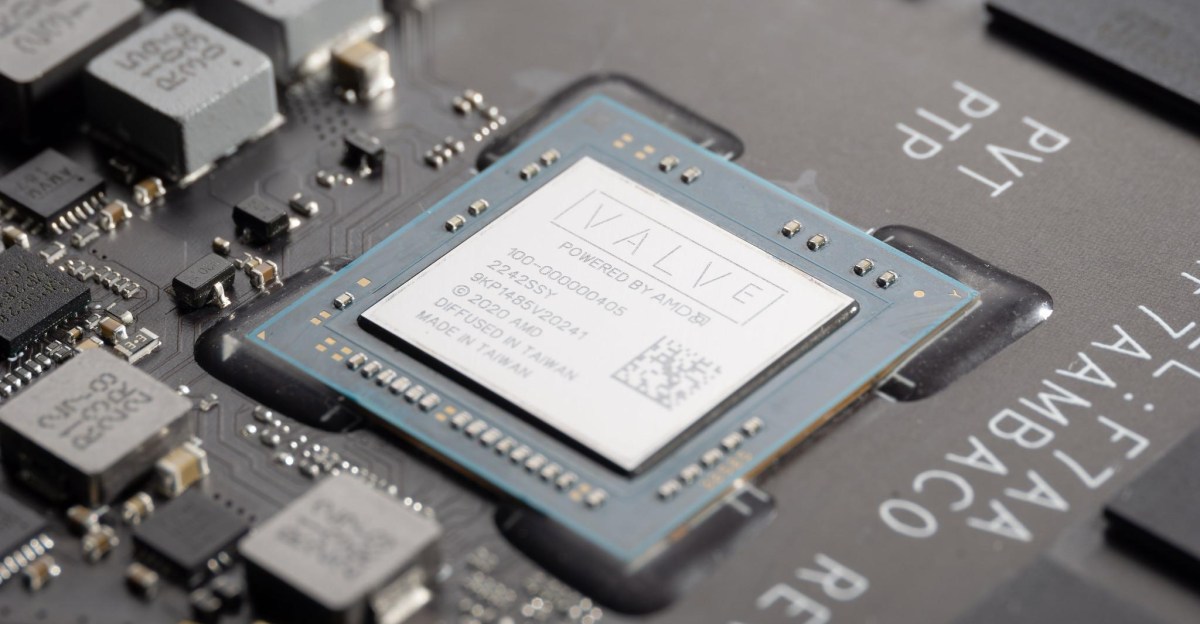
Steam Deck 2: Is AMD Gainsborough the chip Valve’s been waiting for?
Valve’s long-anticipated Steam Deck successor remains on hold as the company waits for a new chip delivering significant generational improvements in performance and efficiency. The original Steam Deck, now over four years old, continues to drive handheld PC gaming, but an aging architecture leaves room for a more powerful sequel.
Recent AMD driver leaks have revealed a potentially pivotal development: a previously unknown processor codenamed “AMD Gainsborough.” The discovery, uncovered by leakers Moore’s Law is Dead and IT Home in AMD’s latest software updates, carries suggestive implications for enthusiasts. Valve’s original Steam Deck chip was internally codenamed “Aerith,” referencing the iconic Final Fantasy VII character. Gainsborough is Aerith’s surname—suggesting Valve has continued this naming tradition for its next handheld APU.
The naming connection has sparked speculation that Gainsborough could power Steam Deck 2. However, the author urges caution. While the evidence is intriguing, official confirmation from Valve or AMD is absent, and a codename alone doesn’t confirm the chip meets Valve’s publicly stated requirements for generational leaps in performance and power efficiency.
The discovery nevertheless marks the first concrete hardware lead for Steam Deck fans awaiting an announcement, reigniting discussions about when Valve might finally reveal its handheld successor.