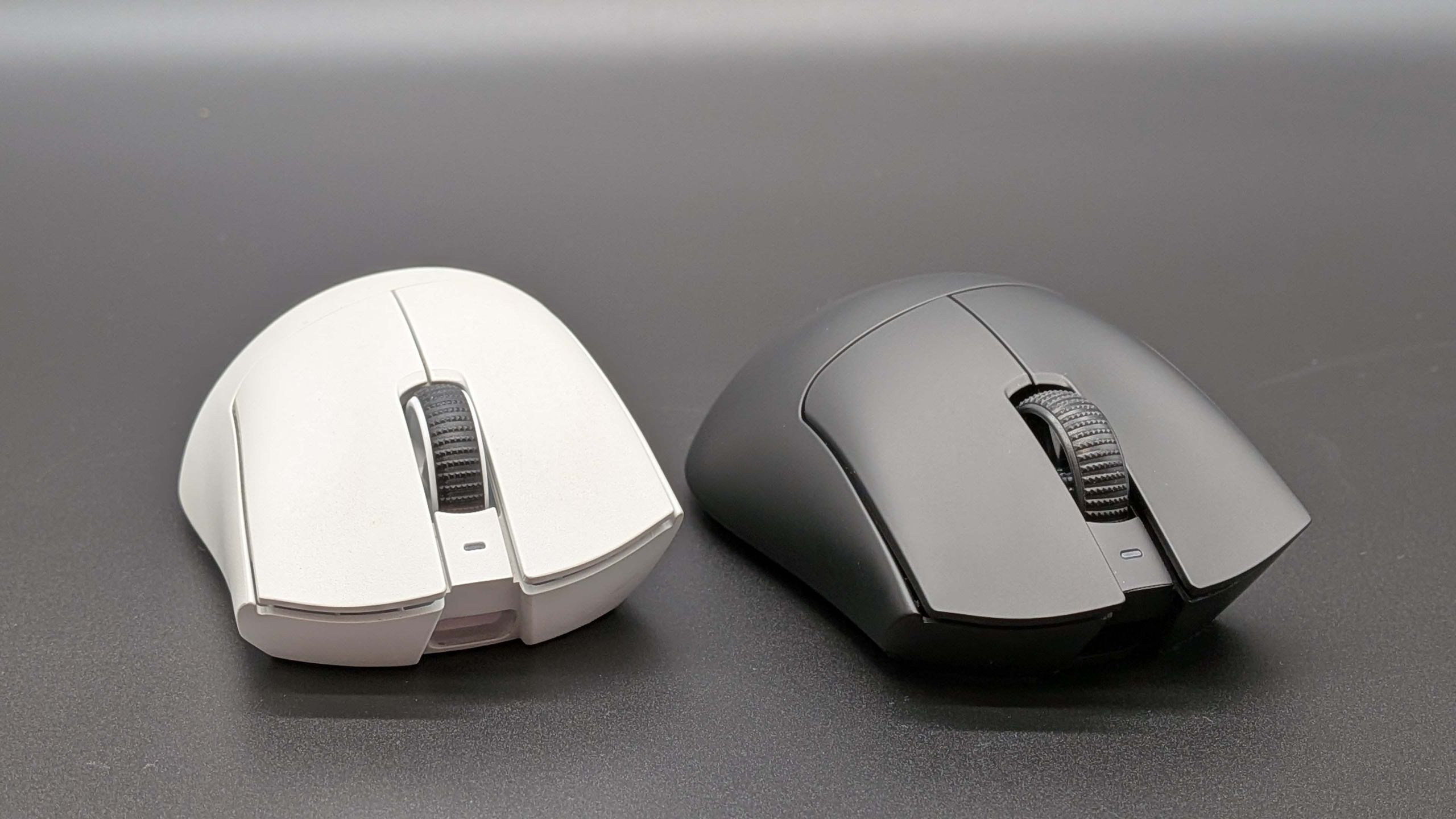
I spent far too long assigning gaming mouse values based on their price-to-weight ratio, and the runner-up is the rodent on my desk right now
A PC Gamer article explores an unconventional approach to evaluating gaming mice by calculating their price-to-weight ratio, inspired by discovering Amazon’s price-per-ounce breakdown for the Turtle Beach Burst II Air. The writer applies supermarket unit-pricing logic to gaming peripherals, investigating which mouse offers the best value when measured in price per gram rather than overall cost.
The author readily acknowledges the metric’s significant limitations. The approach inherently favors cheaper but heavier mice while potentially disadvantaging ultralight gaming options—increasingly popular among competitive players. Additionally, price-to-weight tells prospective buyers less about whether a mouse is actually worth purchasing compared to simply looking at the full price alongside other factors like sensor quality, ergonomics, and build durability.
Despite these caveats, the article proceeds with the analysis as a lighthearted thought experiment. While not a serious purchasing guide, the exercise offers an amusing alternative framework for thinking about hardware value, drawing parallels to how consumers already evaluate grocery items by weight to compare quality and pricing across different package sizes.
The piece reflects gaming culture’s tendency toward detailed specification analysis and optimization, even when applied to unconventional metrics. Though practical gaming mouse selection should prioritize factors like performance specifications, comfort, and reliability over cost-per-gram ratios, the exploration demonstrates the creativity enthusiasts apply when evaluating their peripherals.