Watch the Disturbing French Horror Classic that Inspired Halloween
John Carpenter’s iconic 1978 horror film Halloween may have drawn inspiration from an earlier French horror classic. While Carpenter initially attributed the blank, white mask worn by antagonist Michael Myers to budgetary constraints, he later acknowledged potential influence from the 1960 French film Eyes Without a Face.
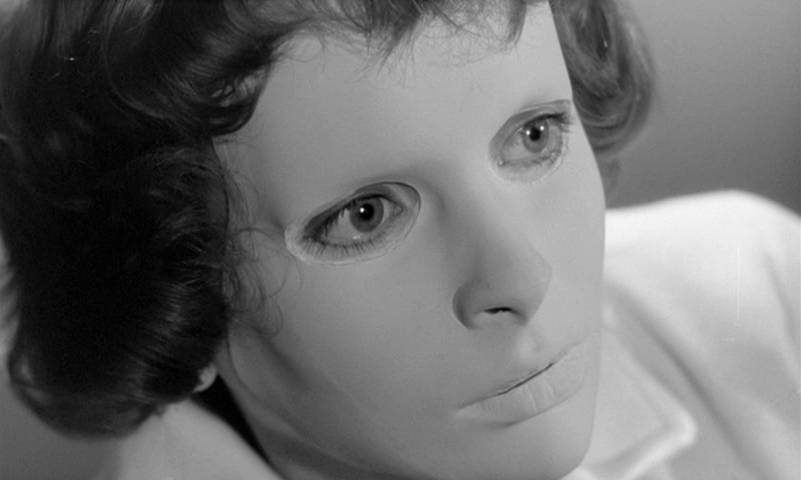
The mask in the French classic, worn by character Christiane (Édith Scob), bears striking visual similarities to Myers’ mask. Both are white and featureless, yet profoundly unsettling in their expressionlessness. In Eyes Without a Face, Christiane wears the mask following severe facial disfigurement sustained in a car accident. Though carefully molded to replicate her delicate, ethereal beauty, the mask’s immobile smoothness and lack of expression creates an effect that is both frightening and sad.
The visual similarity between these iconic masks highlights how horror filmmaking conventions evolve through influence and homage. The blank, featureless mask became a cornerstone of slasher film aesthetics, with Myers’ mask becoming one of cinema’s most recognizable symbols of horror. Yet the concept predates Carpenter’s film by nearly two decades, originating in French cinema’s sophisticated approach to psychological horror.
Eyes Without a Face is considered a landmark in horror cinema, known for its disturbing imagery and exploration of identity and trauma. The film’s influence shaped the visual language of horror for generations of filmmakers. Carpenter’s acknowledgment underscores how classic films continue to inspire and inform contemporary cinema, even when the connection remains partially unspoken.