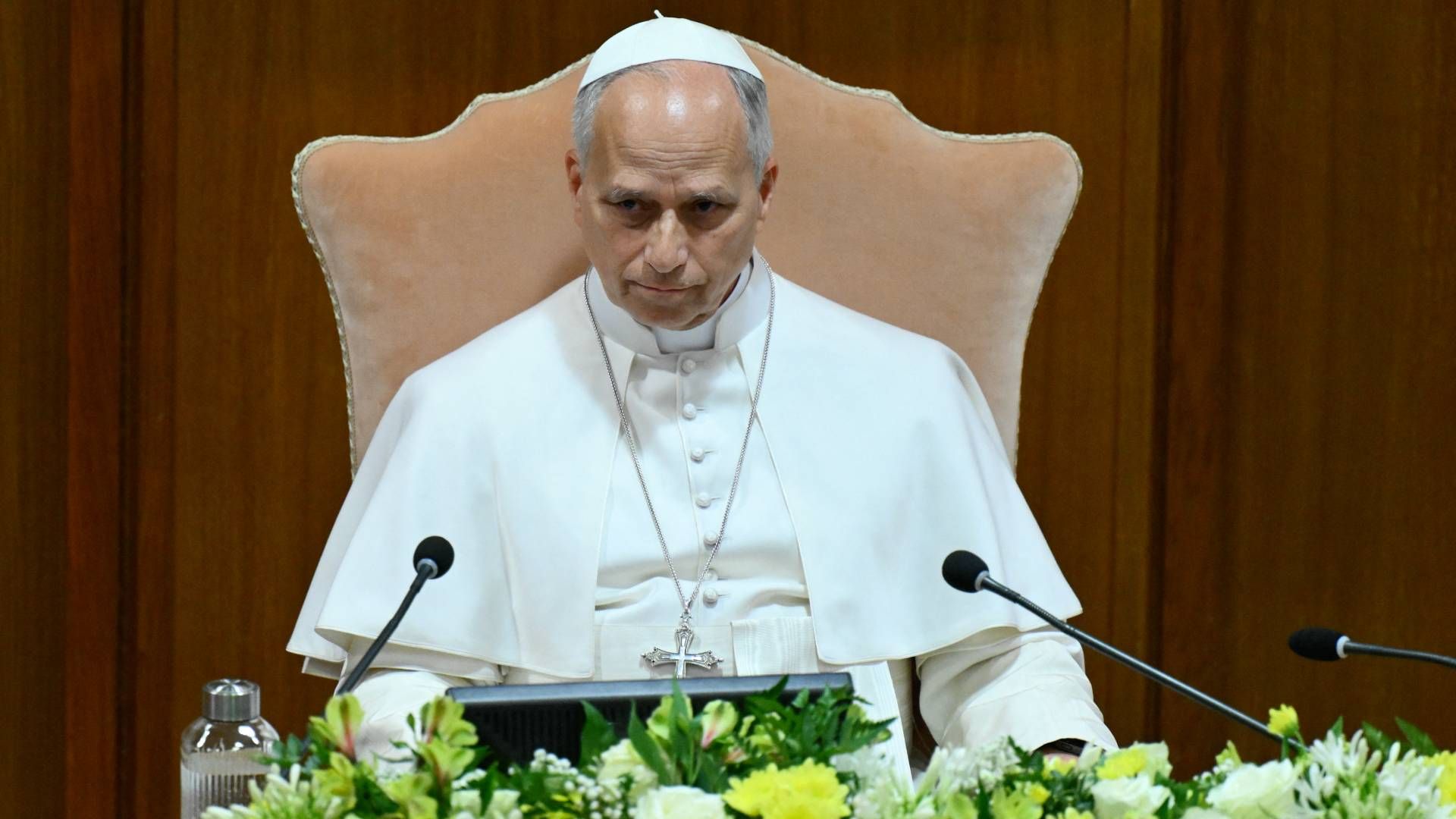
AI guys beefing with the pope: A brief recap
The Vatican and prominent AI company Anthropic have engaged in a high-profile debate over artificial intelligence and its philosophical implications, with Pope Francis weighing in this week with a critical stance on AI-generated art.
In recent remarks, the Pope asserted that “there is an ontological difference between art and what a machine can generate,” positioning AI-created content as fundamentally distinct from human artistic creation. This statement represents his latest contribution to an ongoing discussion between AI advocates and Vatican officials about whether artificial intelligence aligns with religious and philosophical principles.
According to a New York Times report, Anthropic made a direct appeal to the Pope’s advisers in May, lobbying them to “take the prospect of AI model consciousness seriously.” The company’s engagement suggests an attempt to influence the Vatican’s perspective on AI by framing the technology as potentially conscious or self-aware.
However, the Pope remained unmoved by these arguments. In his recent statement published in Magnifica Humanitas, he argued that artificial intelligences “do not undergo experiences,” directly rejecting the premise that machines could develop consciousness or possess qualities comparable to human awareness. This position directly contradicts the consciousness argument that Anthropic presented to Vatican officials.
The debate reflects broader philosophical questions about artificial intelligence’s place in society, particularly regarding whether AI systems can be considered creative, conscious, or capable of meaningful experience. The Pope’s intervention underscores how AI development has become a subject of international concern extending beyond technology sectors into philosophical, ethical, and religious discourse.