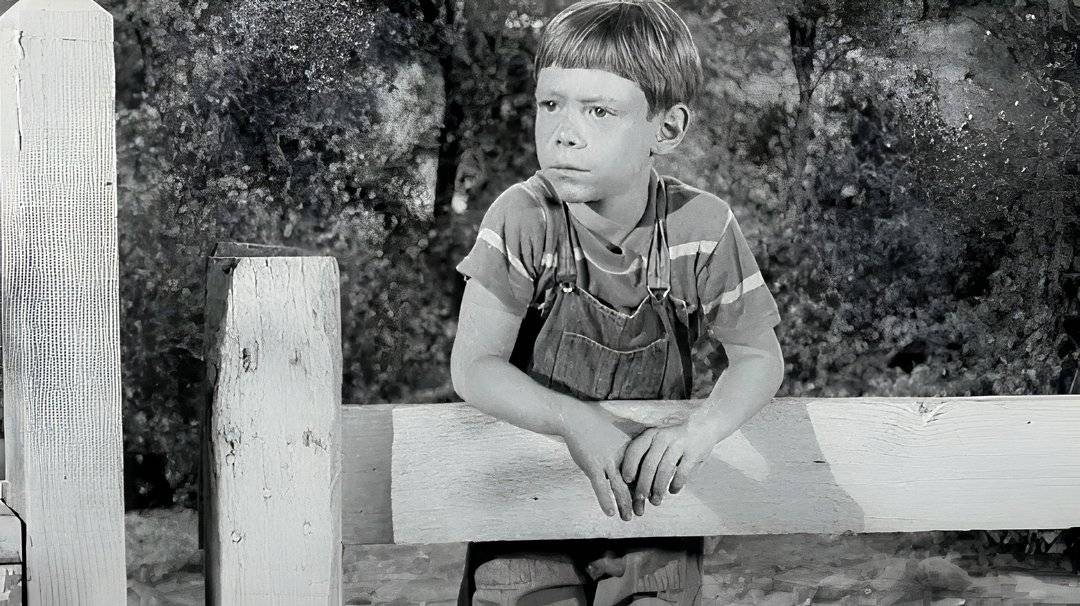
65 Years Ago, The Twilight Zone Aired Its Creepiest Episode
Rod Serling’s The Twilight Zone marked a significant milestone 65 years ago with its groundbreaking approach to horror television. The acclaimed anthology series successfully navigated 1960s broadcast censorship through speculative fiction, allowing Serling to explore disturbing narratives that examined science, superstition, prejudice, and identity. Each episode typically concluded with a twist ending and moral lesson, creating a distinctive storytelling formula.
The series is known for several particularly frightening episodes, including “Eye of the Beholder” and “Nightmare at 20,000 Feet.” However, one Season 3 episode stands out as exceptionally unsettling, employing surreal realities and liminal spaces that bypass traditional horror conventions. Rather than relying on literal scares, the episode uses psychological tension and speculative concepts to create profound unease—an approach that continues to resonate with modern horror audiences.
The Twilight Zone’s enduring legacy demonstrates how innovative writing and genre storytelling could convey genuine terror within the constraints of network television. Serling’s willingness to explore uncomfortable social themes alongside supernatural elements helped establish the series as a foundational work in television horror, influencing countless subsequent productions.