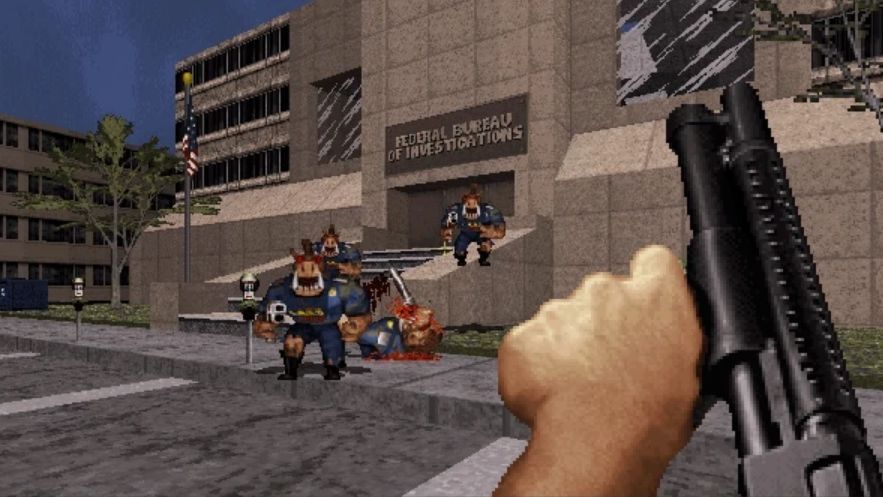
The advent of first-person shooters introduced a wild frontier of unregulated video game level packs, and it ended in a lawsuit that changed copyright forever
During the 1990s, the early first-person shooter era created an unusual phenomenon in PC gaming: unregulated level packs. Distinct from mods, expansions, and traditional DLC, these level packs were collections of new levels created by the community for popular FPS titles like Duke Nukem 3D and Quake. They represented a brief but significant period in gaming history when the boundaries between user-generated content and commercial products were largely undefined.
This largely unregulated frontier of community-created level packs eventually attracted legal scrutiny, culminating in a landmark lawsuit that had far-reaching implications for copyright law and the video game industry. The case established important precedents regarding intellectual property rights, user-generated content, and the legal status of game modifications—questions that remain relevant in modern gaming where modding communities continue to thrive.
The resolution of this dispute fundamentally altered how copyright was understood and enforced in the context of video games, shaping the legal framework that developers and platforms still operate within today. What began as a creative, community-driven expansion of early FPS games ultimately became a watershed moment in gaming law and intellectual property rights.