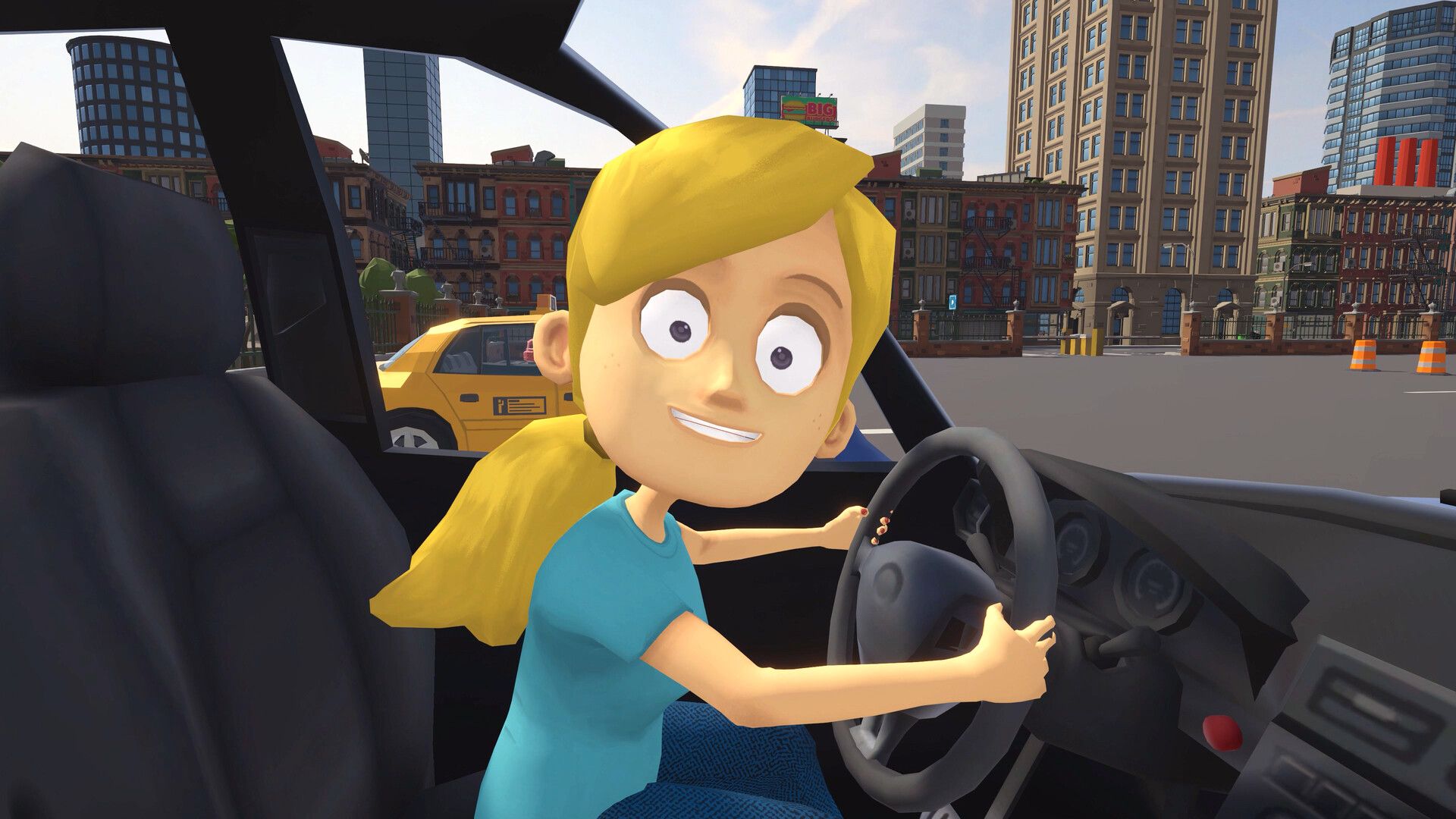
The developer of an AI-powered driving instruction simulator is spending $1,000 per month just to keep its demo running
An upcoming driving instruction simulator called Teach My Little Sister How To Drive has highlighted the substantial operational costs associated with integrating large language models into video games. The comic simulation game, developed by FRVR, features an AI-powered chatbot character that serves as the player’s virtual sister during driving coaching sessions.
According to reports, the developer spends approximately $1,000 per month merely to maintain the game’s demo, with the primary expense stemming from the LLM powering the sister character’s interactions. This significant financial burden offers a concrete explanation for why relatively few games have attempted to implement LLM-powered NPCs, despite the technology’s theoretical appeal for creating more reactive and dynamic character interactions.
While the gaming industry has long speculated about AI’s potential to revolutionize NPC behavior and dialogue systems, practical implementations remain limited. Notable examples like Where Winds Meet have experimented with LLM-based NPCs, but results have been underwhelming. The cost barrier exemplified by Teach My Little Sister’s demo expenses appears to be a major factor preventing wider adoption of this technology in game development.
The $1,000 monthly cost for a single demo installation raises questions about the economic viability of LLM integration in commercial games, particularly for independent developers or smaller studios. As the gaming industry continues exploring AI applications, the balance between technological innovation and operational sustainability remains a critical consideration. This case serves as a cautionary example of how cutting-edge technology, while conceptually promising, can present significant financial obstacles to implementation.