Doom can ‘run’ on a DNS database now, and one of the technology’s pioneers says ‘I can’t decide whether this is deliciously horrible, or else horribly delicious’
The trend of running Doom on increasingly unusual hardware has reached a new milestone: a DNS database. Following successful ports to vapes, motherboard BIOSes, and pregnancy tests, developer Corey Quinn at The Register has compiled Doom to run directly on a DNS system—with the database performing actual arithmetic and memory operations rather than simply storing files.
DNS (Domain Name System) is the internet infrastructure responsible for translating website URLs into the IP addresses that computers need to communicate across networks. While DNS text records have previously been used to store Doom-related data, Quinn’s implementation represents a significant technical achievement by using DNS’s native computing capabilities to execute the game itself.
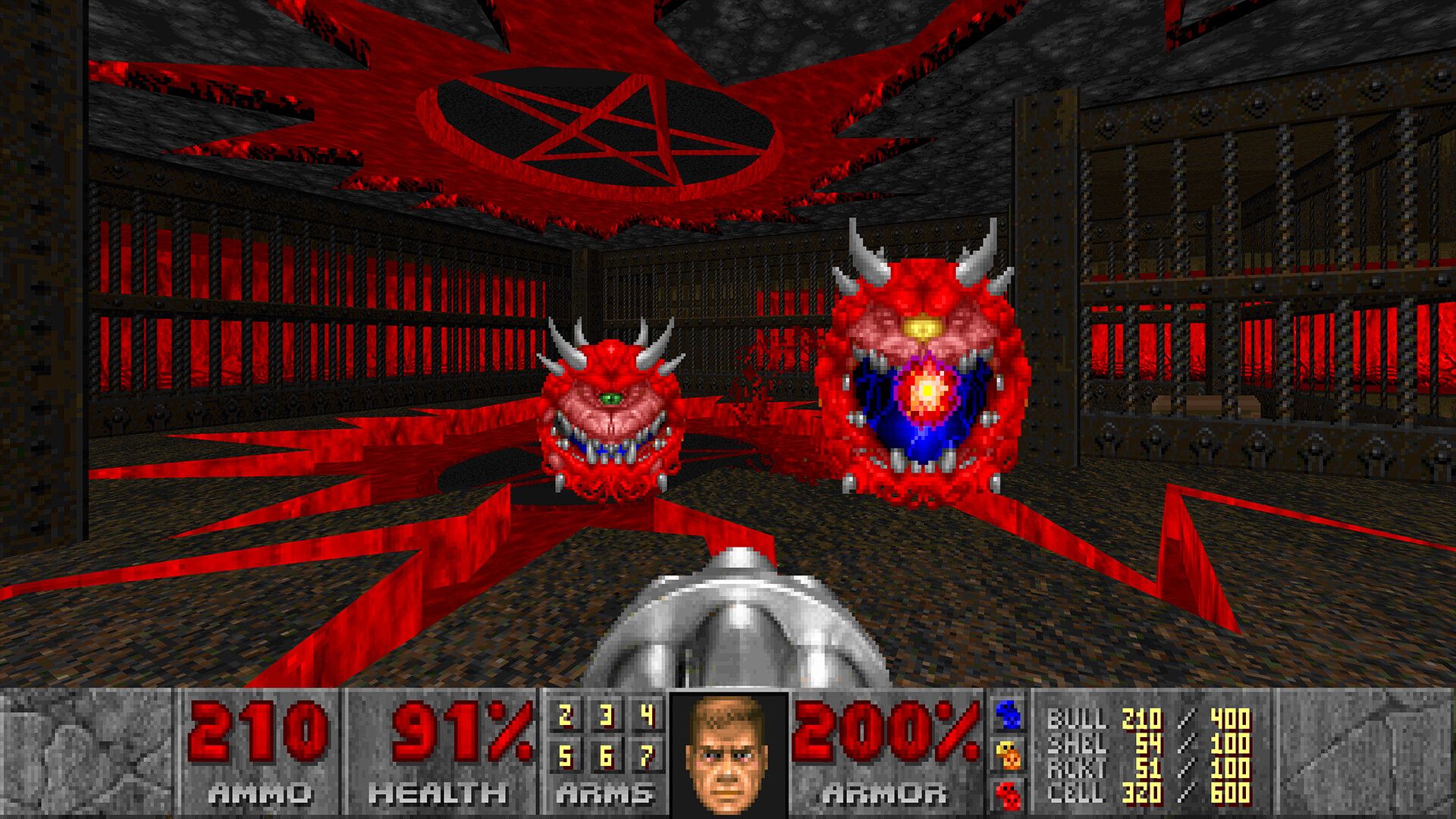
This accomplishment exemplifies the enduring appeal of Doom as a technical benchmark. The classic 1993 Id Software shooter has become an unofficial litmus test for creative engineering, spawning a subgenre of novelty ports to systems never designed for gaming. Each successful implementation demonstrates the ingenuity of developers willing to push the boundaries of what constitutes a “computing device.”
The feat highlights the unexpected versatility of DNS infrastructure. Despite being designed solely to facilitate domain name resolution on the internet, DNS possesses sufficient computational capabilities to support more complex applications. Quinn’s work suggests that many foundational internet systems have untapped potential beyond their intended purposes.
Industry observers have reacted with bemusement, with some describing the achievement as “deliciously horrible” or “horribly delicious”—capturing the simultaneous absurdity and technical impressiveness of running a full game through database operations. The project underscores how Doom’s architecture, while designed for 1990s hardware, remains adaptable to 21st-century creative reinterpretations.