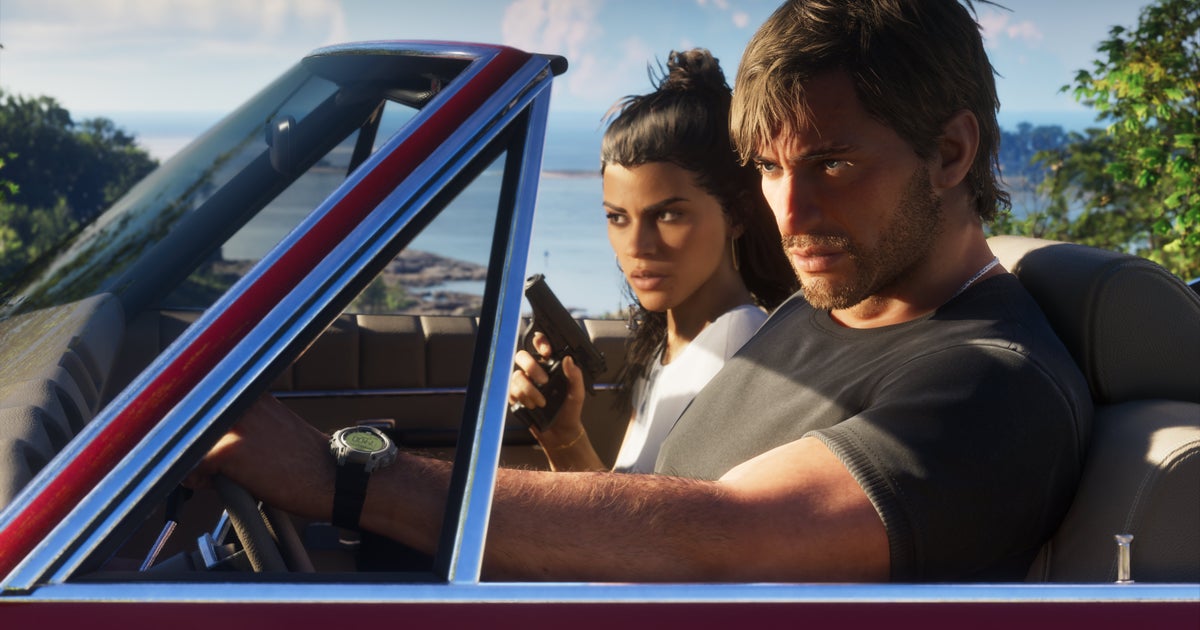
GTA 6 was originally Project Americas and covered “big swaths” of country’s north and south, Rockstar reveals, in interview tackling crunch, delays, and leaks
Rockstar Games has revealed extensive details about Grand Theft Auto 6’s lengthy eight-year development in a comprehensive Bloomberg interview. The game was originally codenamed “Project Americas” with ambitious plans to span large areas of both North and South America, but scope was eventually reduced to focus on Miami and its surrounding areas to manage production complexity.
The sheer scale of the project required unprecedented expansion of Rockstar’s workforce and resources. The studio’s headcount more than doubled from 2,441 employees in 2018 to 4,711 by 2026, with 4,020 working in development and QA across 12 offices. Most notably, Rockstar established an entirely new Los Angeles studio dedicated solely to creating and animating NPCs—described as a “horrifying” scope of work—after realizing the game’s interactive world demanded far more production capacity than initially anticipated.
The game experienced two delays from its original 2025 target, pushed first to May 2026 and finally to November 2026. Leadership noted these delays resulted from elements not coming together as planned within intended timeframes, rather than dramatic crises. Take-Two CEO Strauss Zelnick’s reaction to the second delay was reportedly: “You’re kidding. Please tell me you’re kidding.”
Rockstar has denied rumors that development cost exceeded $1.5 billion—comparable to Dubai’s Burj Khalifa—though it refused to disclose the actual budget. The game remains likely the most expensive video game ever made. The company emphasized its commitment to realism, including extensive research trips to Miami nightclubs and police ridealongs to inform design details.
Looking forward, Rockstar expressed confidence that subsequent projects won’t require another eight-year development cycle. Leadership stated that “the engine, the tools, and the team we’ve built during this project will allow us to do things more quickly,” suggesting future games can “go more sideways than upwards” rather than continuing to increase scope.
Sources
- GTA 6 was originally Project Americas and covered “big swaths” of country’s north and south, Rockstar reveals, in interview tackling crunch, delays, and leaks
- Rockstar’s next game won’t take eight years to make: “The engine, the tools and the team we’ve built during GTA 6 will allow us to do things more quickly”
- Rockstar Built An Entire Studio Just To Create GTA 6 NPCs
- GTA 6 Could Have Been Even Bigger And Released Years Sooner, But Then These Things Happened
- Rockstar Says GTA 6 Didn’t Cost $1.5 Billion To Make, But Won’t Reveal The Real Number
- Rockstar’s GTA 6 Realism Experiment Started With Beer And Sandwiches
- GTA 6’s Nightclubs Have An Absurd Amount Of Detail, Right Down To The Lighting
- Take-Two CEO’s Response To Second GTA 6 Delay: “Please Tell Me You’re Kidding”
- Rockstar Says You Won’t Have To Wait Another 8 Years After GTA 6 For Its Next Game
- Rockstar Pushes Back on Rumor GTA 6 Cost More Than $1.5 Billion to Make, but It’s Still Probably the Most Expensive Video Game of All Time
- GTA 6 Developer Rockstar Insists Its Next Game Won’t Take Another 8 Years to Make
- GTA 6 Was Originally Meant to Release Much Sooner Than We Realized
- GTA 6 Originally Featured Large Areas of North and South America
- Rockstar Opened LA Studio to Handle GTA 6’s ‘Horrifying’ Scale
- GTA 6 is ‘Never Completed Settled’, Rockstar Reveals
- GTA 6 was delayed partially because the amount of NPCs was ‘horrifying’ and required a dedicated studio full of writers to handle
- 7 Major New GTA 6 Details Officially Revealed by Rockstar
- GTA 6 Tech Will Help Create the Next Rockstar Game, Won’t Be Another 8-Year Wait
- Rockstar are “confident” that GTA 7 won’t take another eight years, despite similar promises of greater efficiency seemingly having come with Red Dead Redemption 2
- We might not have to wait 13 years for the next GTA
- Rockstar says its next game after Grand Theft Auto 6 won’t take another eight years to make