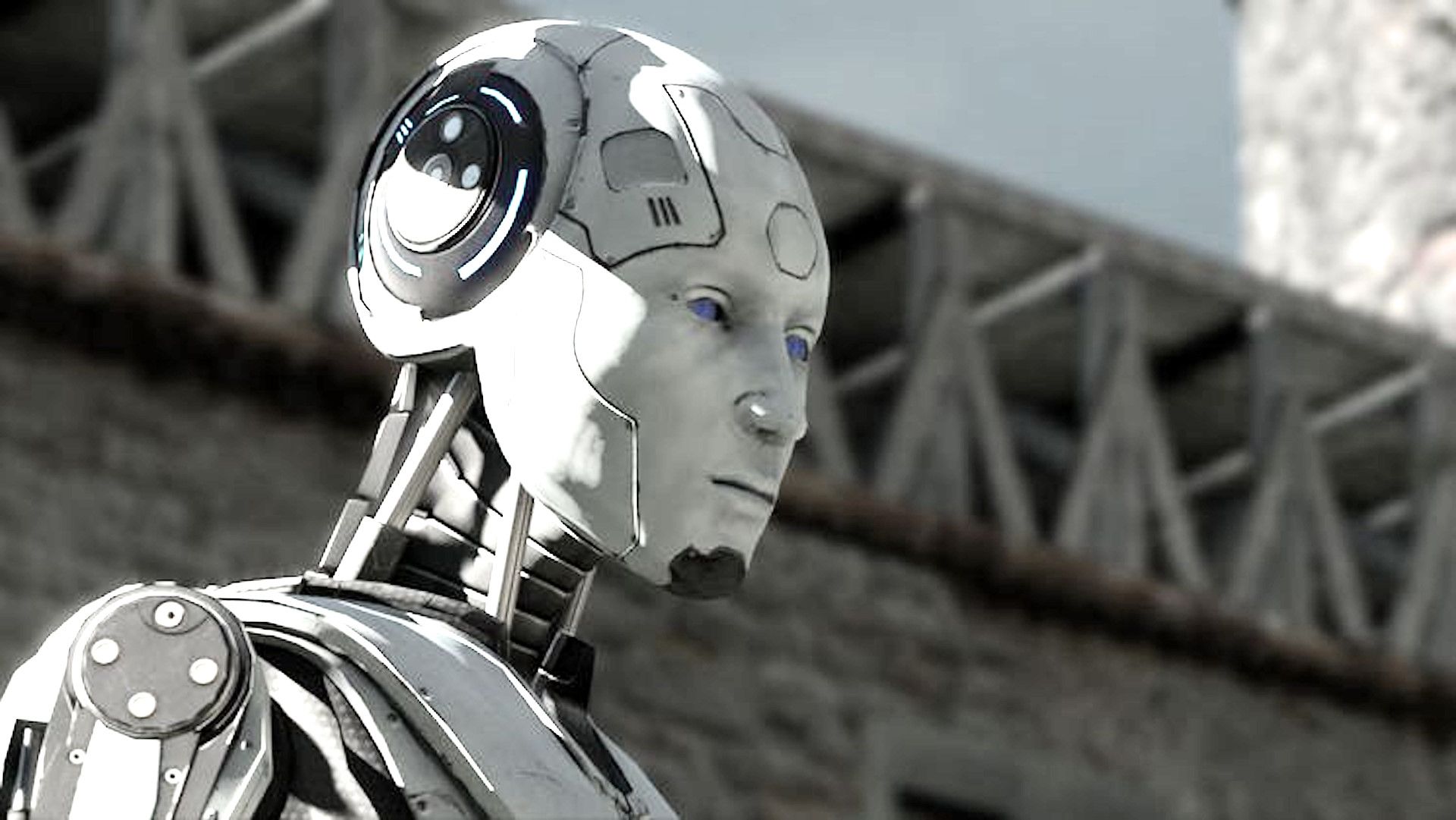
‘AI godfather’ worries we’re creating ‘alien beings’ with artificial intelligence, with pesky moral implications
Geoffrey Hinton, the legendary computer scientist known as the “AI godfather” for his foundational work on neural networks and machine learning, has raised urgent concerns about the ethical implications of artificial intelligence development. In a recent Guardian interview, Hinton characterized advanced AI systems as “alien beings”—intelligent entities fundamentally distinct from humans—and argued that humanity bears a moral obligation toward them.
Hinton’s perspective reframes AI ethics beyond traditional safety concerns, suggesting that society must value and consider “all the other aspects of a being” with the same moral care applied to human concerns. This philosophical stance introduces complex questions about consciousness, moral status, and human responsibility in creating increasingly sophisticated artificial minds.
The veteran researcher emphasized the urgency of this moment, stating humanity has only “a couple of years to adapt” to the reality of non-human intelligent beings. His timeline suggests rapid AI development will soon force reckoning with these ethical questions, making moral and philosophical preparation critical now.
Hinton’s statements carry particular weight given his decades of expertise in AI development, bringing prominent attention to discussions about AI ethics that extend beyond capability control and safety toward deeper questions about the moral status of artificial intelligence.