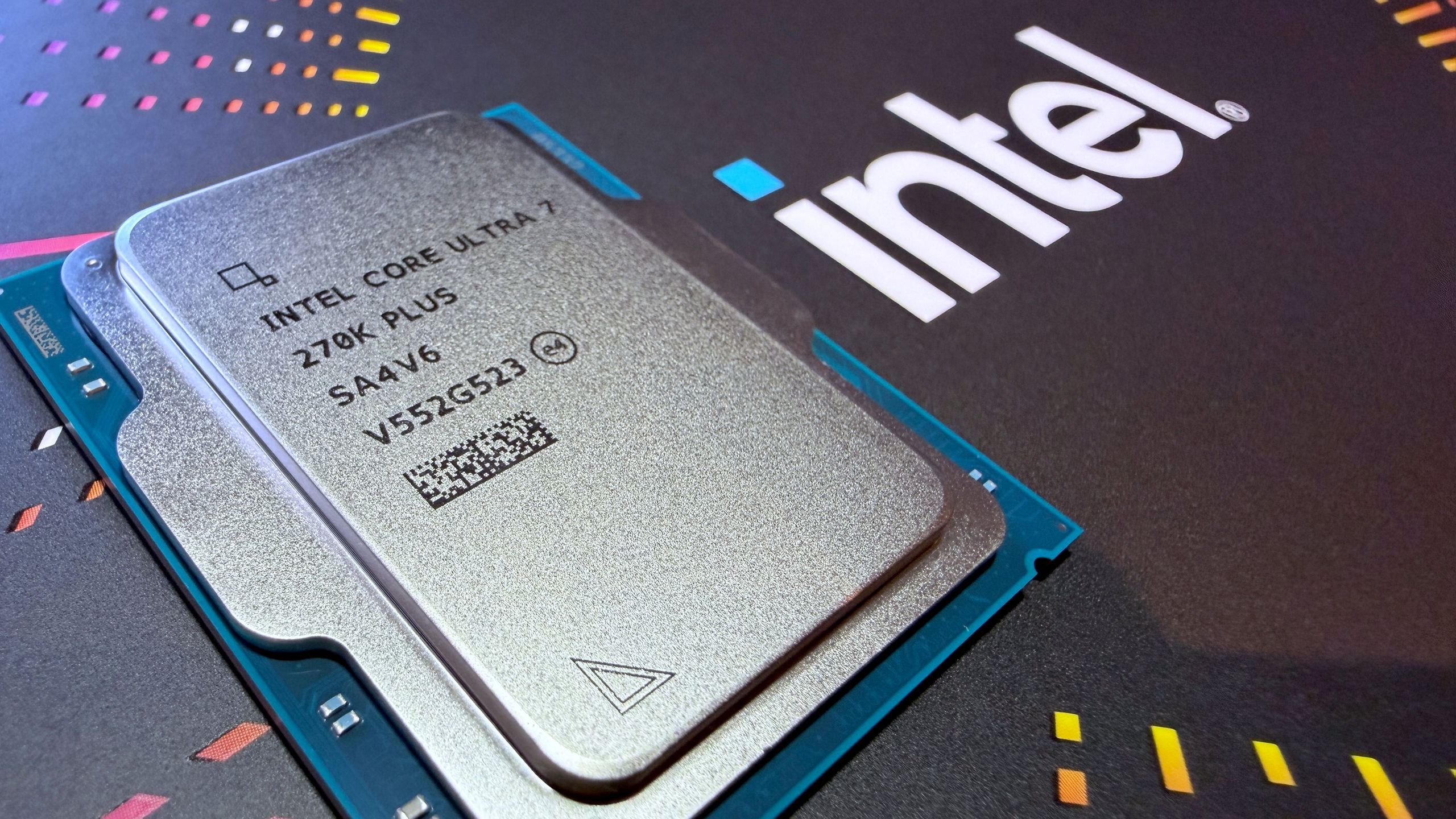
It’s taken its sweet time, but Intel’s response to AMD’s X3D chips is starting to look tasty
Intel is preparing to launch its Nova Lake generation of processors, marking the company’s long-awaited response to AMD’s successful X3D cache technology. According to leaked specifications shared by tech leaker Laurent’s Choice on X, the new CPUs will feature a 4000-series naming designation while maintaining Intel’s Core Ultra branding convention.
Three particularly notable Nova Lake chips will utilize a “BFC” architecture—likely standing for “big friendly cache”—and incorporate bLLC (big last-level cache) technology. This architectural approach directly targets AMD’s competitive advantage in gaming and productivity workloads, where X3D’s enhanced cache has provided measurable performance benefits over recent generations.
The development signals Intel’s recognition of AMD’s cache-focused strategy and the company’s commitment to compete more directly in this performance segment. While specific performance metrics, core configurations, and availability dates remain unclear from the leaked information, the focus on expanded cache architecture aligns with broader industry trends toward memory-optimization as a key differentiator.
This marks a significant shift in Intel’s approach to competing with AMD, moving beyond traditional core count and clock speed competition toward architectural innovations in cache hierarchy.